

Start Online Quran Classes with Muslim Academy
https://muslimacademy.net/index.php/free-trial/
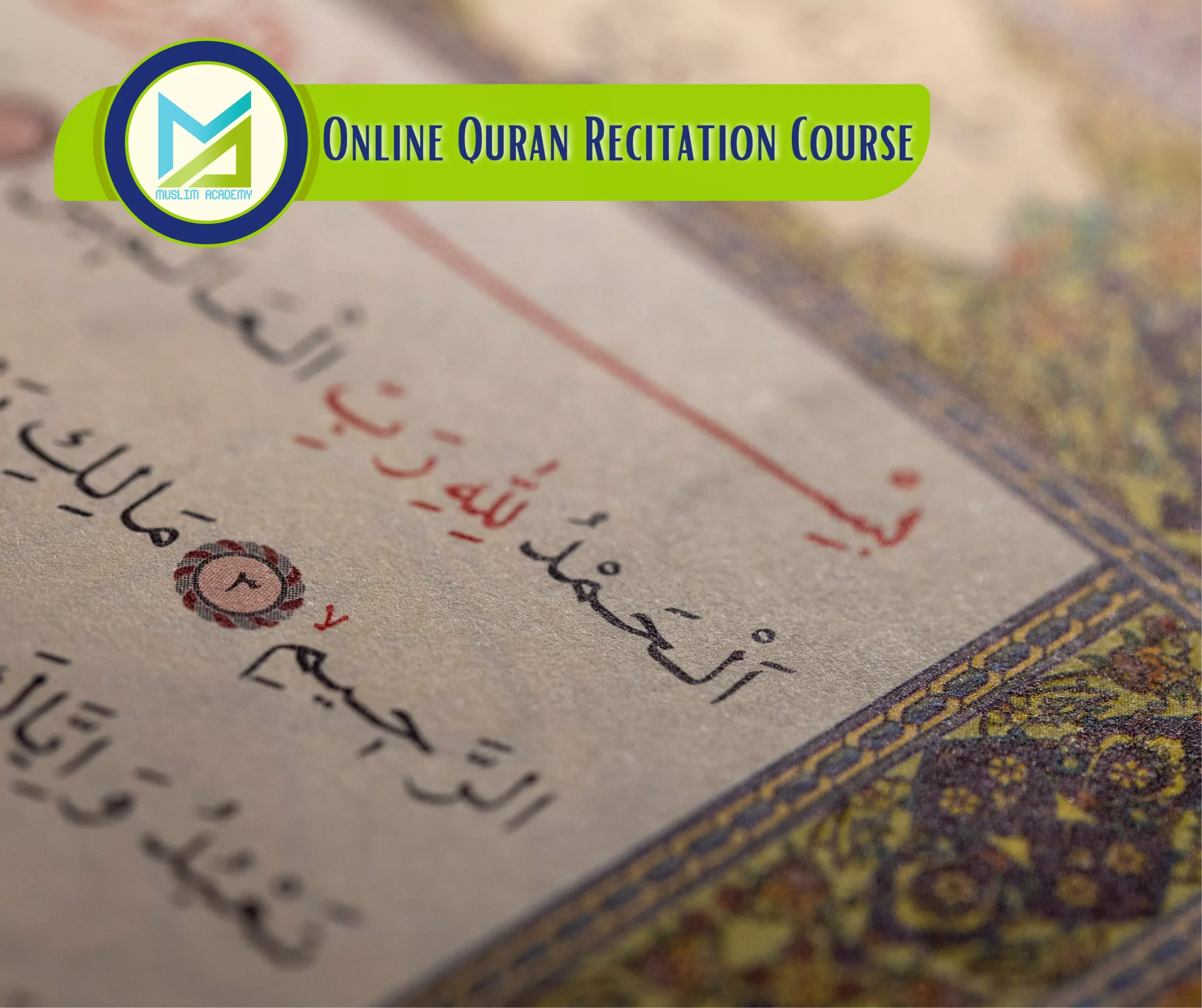
The art of Quranic recitation, known as Tilawah in Arabic, represents one of the most beautiful and spiritually enriching aspects of Islamic worship and education. This sacred practice combines linguistic precision with melodic beauty, creating profound spiritual experiences that have moved hearts and minds for over fourteen centuries. In our modern digital era, the traditional methods of learning proper Quranic recitation have evolved to embrace technological innovation while preserving their authentic spiritual essence. An Online Quran Recitation Course with Muslim Academy offers students worldwide the opportunity to master this noble art under expert guidance, combining time-honored teaching methodologies with cutting-edge educational technology to create comprehensive learning experiences.
The Sacred Art of Quranic Recitation
Quranic recitation transcends mere reading to become a form of worship that engages the heart, mind, and soul in divine communication. The Quran was revealed to be recited aloud, and its linguistic structure, rhythmic patterns, and melodic possibilities create profound spiritual experiences that enhance both understanding and devotion. Traditional Islamic scholarship has always emphasized that proper recitation requires mastery of specific rules, techniques, and spiritual attitudes that transform mechanical reading into meaningful worship.
The science of Tajweed governs authentic Quranic recitation, encompassing detailed rules about pronunciation, articulation, rhythm, and melodic patterns that preserve the text’s original beauty and meaning. These principles ensure that every letter receives its proper pronunciation, every word maintains its correct emphasis, and every verse flows with appropriate rhythm and melody that honor the divine text.
An Online Quran Recitation Course with Muslim Academy preserves these traditional elements while making expert instruction accessible to students regardless of their geographical location or local educational resources. Digital platforms enable students to learn from qualified teachers who have mastered various recitation styles and can provide personalized guidance that addresses individual learning needs and artistic preferences.
Comprehensive Curriculum Structure and Learning Progression
A well-designed Online Quran Recitation Course with Muslim Academy follows systematic curricula that progress from fundamental pronunciation principles through advanced artistic expression techniques. These programs recognize that effective recitation education requires gradual skill development, consistent practice, and ongoing refinement under expert supervision.
Foundational levels typically begin with Arabic phonetics instruction that ensures students can produce accurate sounds essential for proper Quranic pronunciation. Students learn the correct articulation points for each Arabic letter, understand how letters change based on their position within words, and develop muscle memory for consistent pronunciation accuracy.
Elementary progression focuses on basic Tajweed rules, including vowel pronunciation, consonant emphasis, and simple rhythm patterns that form the building blocks of beautiful recitation. Students practice applying these rules to short Quranic passages while developing confidence and fluency in their recitation abilities.
Intermediate studies introduce more complex Tajweed concepts, including advanced pronunciation rules, rhythm variations, and melodic patterns that enhance recitation beauty while maintaining textual accuracy. Students explore different recitation speeds and learn to adapt their technique for various worship contexts and personal preferences.
Advanced curricula encompass artistic expression techniques, multiple recitation styles (Qira’at), and sophisticated melodic patterns that enable students to develop distinctive personal recitation styles while maintaining authentic traditional foundations. These advanced studies often include historical contexts of different recitation traditions and their regional variations.
Technology Integration and Digital Learning Enhancement
Modern Online Quran Recitation Course with Muslim Academy platforms utilizes sophisticated audio technology and interactive learning tools that enhance traditional instruction methods while preserving their spiritual authenticity. High-quality audio systems enable students to hear subtle pronunciation differences and melodic nuances that are essential for developing excellent recitation skills.
Real-time audio analysis software provides immediate feedback on student pronunciation accuracy, helping identify specific areas requiring improvement while tracking progress over time. These technological tools supplement human instruction by offering objective assessment capabilities that enhance learning efficiency and effectiveness.
Interactive learning modules allow students to practice with guided exercises, repeat challenging passages, and explore different recitation styles at their own pace while maintaining a structured learning progression. These digital tools provide flexibility that accommodates diverse learning styles and scheduling needs.
Video demonstration capabilities enable instructors to show proper mouth positioning, breathing techniques, and physical postures that contribute to excellent recitation quality. Visual instruction complements audio learning to provide a comprehensive understanding of recitation mechanics and artistry.
Mobile accessibility ensures that students can continue practicing and learning across various devices and locations, making it possible to maintain consistent progress despite travel schedules or changing circumstances that might otherwise interrupt learning continuity.
Personalized Instruction and Individual Development
One of the most significant advantages of an Online Quran Recitation Course with Muslim Academy is the opportunity for highly personalized instruction that addresses individual student strengths, challenges, and artistic preferences. Unlike traditional group classes, where instruction must accommodate multiple students simultaneously, digital platforms can provide focused attention that optimizes each student’s recitation development.
Individual assessment processes evaluate students’ current recitation abilities, identify specific areas needing improvement, and establish personalized learning goals that guide instructional planning and progress measurement. This individualized approach ensures that students receive appropriate challenge levels while building confidence through achievable milestone accomplishments.
Flexible pacing allows students to spend additional time mastering challenging concepts while progressing more quickly through material they grasp easily. This adaptive approach prevents frustration and maintains motivation throughout the learning process while ensuring thorough skill development.
One-on-one feedback sessions provide opportunities for detailed pronunciation correction, artistic guidance, and spiritual encouragement that enhance both technical skill development and personal connection to Quranic recitation as a worship practice.
Regular progress evaluation helps students understand their advancement, celebrate achievements, and identify areas requiring continued attention or alternative learning approaches that better suit their individual needs and preferences.
Diverse Recitation Styles and Cultural Traditions
A comprehensive Online Quran Recitation Course with Muslim Academy typically introduces students to various recitation styles and cultural traditions that have developed throughout Islamic history. This exposure enriches student understanding while helping them discover personal preferences and develop distinctive recitation abilities.
Classical recitation styles, including the ten recognized Qira’a,t provide students with authentic traditional foundations while demonstrating the rich diversity within orthodox Quranic recitation traditions. Understanding these variations enhances appreciation for the Quran’s linguistic complexity and historical preservation.
Regional recitation traditions from different Islamic cultures offer insights into how local musical and linguistic influences have shaped recitation practices while maintaining essential Tajweed principles. Students learn to appreciate cultural diversity within Islamic unity.
Contemporary recitation approaches demonstrate how modern reciters adapt traditional techniques for current contexts while preserving authentic foundations. This contemporary perspective helps students understand how recitation traditions continue evolving while maintaining their essential characteristics.
Artistic expression techniques enable students to develop personal recitation styles that reflect their personalities and spiritual connections while maintaining authentic traditional foundations that ensure proper textual treatment.
Benefits for Global Muslim Communities
Online Quran Recitation Course with Muslim Academy programs provides unprecedented access to expert recitation instruction for Muslims worldwide, particularly benefiting communities with limited access to qualified teachers or comprehensive Islamic educational resources.
Geographic accessibility enables students in remote locations to learn from renowned reciters and qualified instructors who might otherwise be unavailable due to distance or scheduling constraints. This global reach democratizes access to high-quality recitation education regardless of local community size or resources.
Cultural bridge-building occurs when students from different backgrounds learn together and share their diverse perspectives on recitation while maintaining a shared commitment to authentic Quranic instruction and spiritual development.
Economic accessibility makes quality recitation education available to families across various financial circumstances, as online instruction typically costs significantly less than private tutoring or travel to study with renowned teachers while providing comparable educational depth and personal attention.
Intergenerational learning opportunities arise when family members can participate in recitation education together, strengthening family bonds while sharing spiritual growth experiences that enhance household Islamic practice and devotion.
Quality Assurance and Instructor Excellence
Maintaining high educational standards in an Online Quran Recitation Course with Muslim Academy requires comprehensive quality assurance measures that ensure students receive authentic, effective instruction from qualified teachers who possess both religious knowledge and artistic expertise necessary for excellent recitation guidance.
Instructor qualifications typically include advanced Islamic education, demonstrated recitation excellence, formal Tajweed certification, and proven teaching experience with diverse student populations. Many qualified instructors have studied under renowned reciters and hold ijazah certifications that authorize them to teach within established scholarly traditions.
Ongoing professional development ensures that instructors remain current with pedagogical best practices, technological innovations that enhance learning effectiveness, and evolving student needs that require adaptive teaching approaches.
Student satisfaction monitoring involves regular feedback collection and program evaluation that inform instructional improvements and ensure optimal learning outcomes for all participants while maintaining authentic Islamic educational standards.
Certification processes provide recognized credentials that acknowledge student achievements and demonstrate their recitation competency to community members and Islamic institutions that value proper Quranic recitation skills.
Addressing Learning Challenges and Individual Needs
Online Quran Recitation Course with Muslim Academy programs must address various learning challenges and individual needs that students may encounter throughout their recitation education journey. Effective programs develop comprehensive support systems that ensure successful outcomes for diverse learner populations.
Language barriers may present challenges for non-Arabic speaking students, but effective programs provide multilingual support, translated explanations, and cultural context that help students understand both technical requirements and spiritual dimensions of proper recitation.
Learning pace variations require flexible program structures that accommodate students who need additional time for specific concepts while preventing advanced learners from becoming bored or disengaged with instruction that moves too slowly for their capabilities.
Technical difficulties occasionally disrupt learning continuity, but successful programs provide multiple communication platforms, technical support services, and backup materials that maintain educational momentum despite technological challenges.
Motivation maintenance over extended learning periods requires creative approaches, including milestone recognition, peer interaction opportunities, performance showcases, and spiritual encouragement that sustain student commitment throughout their recitation development journey.
Future Developments and Educational Innovation
The future of Online Quran Recitation Course with Muslim Academy programs appears increasingly promising as technological advances create new possibilities for enhanced recitation education while preserving the authenticity and spiritual significance essential to traditional Islamic instruction.
Artificial intelligence applications may soon provide sophisticated pronunciation analysis, personalized practice recommendations, and adaptive learning paths that respond to individual progress patterns while maintaining human instruction quality and spiritual guidance essential for authentic recitation education.
Virtual reality experiences could offer immersive recitation environments, including virtual mosque settings, historical Islamic locations, and interactive Arabic text presentations that enhance learning through multiple sensory engagement and cultural immersion.
Advanced audio processing technologies will likely provide increasingly precise pronunciation feedback, real-time correction suggestions, and sophisticated analysis capabilities that help students achieve excellent recitation quality more efficiently than traditional methods alone.
Enhanced community features may create virtual recitation circles, peer learning opportunities, and global student connections that recreate the social learning aspects of traditional Islamic education within digital environments.
Conclusion
The development of a comprehensive Online Quran Recitation Course with Muslim Academy programs represents a remarkable achievement in preserving and transmitting the sacred art of Quranic recitation while making expert instruction accessible to students worldwide. These innovative educational platforms successfully combine traditional Islamic teaching wisdom with contemporary technological capabilities, creating learning environments that honor the spiritual significance of Quranic recitation while providing practical, effective instruction.
Through carefully designed curricula, qualified instruction, and sophisticated technological support, an Online Quran Recitation Course with Muslim Academy enables students to develop excellent recitation skills regardless of their geographical location or local educational resources. The personalized attention, flexible scheduling, and comprehensive learning support these programs provide ensure that the beautiful tradition of Quranic recitation continues flourishing in our digital age.
As technology continues advancing and global Muslim communities expand, the Online Quran Recitation Course with Muslim Academy programs will undoubtedly play increasingly important roles in preserving and enhancing this sacred Islamic art form, ensuring that future generations can experience the profound spiritual beauty and divine connection that proper Quranic recitation provides to believers worldwide.