Start Online Quran Classes with Muslim Academy
https://muslimacademy.net/index.php/free-trial/
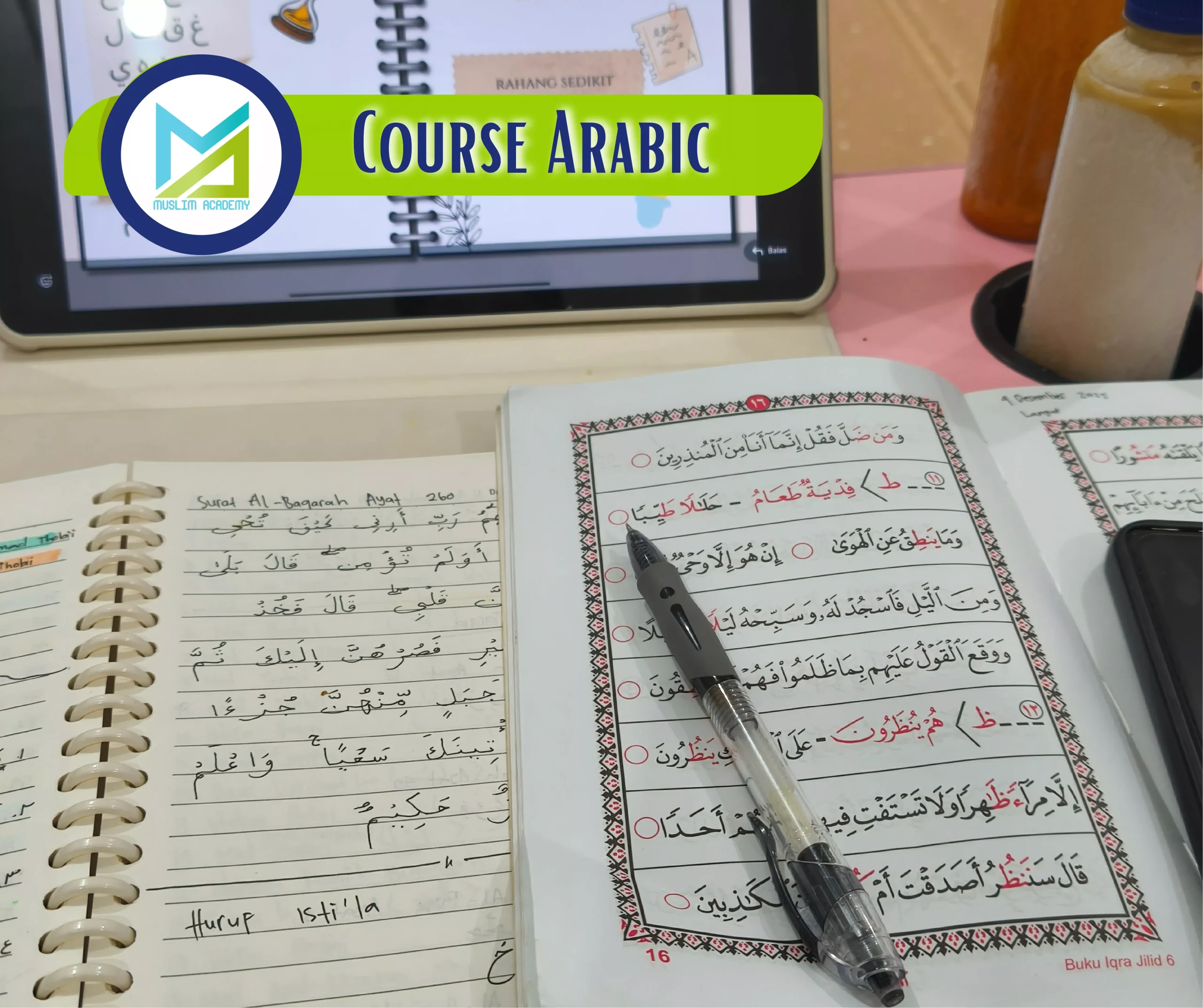
Language opens worlds. Every new language a person learns hands them a key to a civilization, a literature, a way of thinking, and a community of people who have built something extraordinary with those particular words across those particular centuries. Few languages reward the effort of learning more generously than Arabic. A Course Arabic with Muslim Academy program — whether pursued in a classroom, through a dedicated academy, or via a structured online platform — opens access to one of humanity’s oldest, richest, and most widely spoken linguistic traditions. It also opens something far more personal for the Muslim student: a direct and unfiltered relationship with the Quran in its original tongue.
Arabic carries more native speakers than any language except Mandarin, Spanish, and English. More than 400 million people speak it as their first language across twenty-two countries. Hundreds of millions more engage with it daily through prayer, Quranic recitation, and religious study. Furthermore, Arabic holds official status in the United Nations and plays a significant role in diplomacy, journalism, and international business across one of the world’s most strategically important regions. Consequently, a student who completes a serious Arabic course gains not only a spiritual and cultural asset but a professional one that serves them across a lifetime of changing circumstances.
Understanding What Arabic Actually Is
Before choosing a course, every prospective student benefits from understanding that the term “Arabic” encompasses several related but distinct varieties. Classical Arabic — the language of the Quran and the great pre-Islamic poetry — represents the most precise and most formally standardized form. Modern Standard Arabic, closely related to Classical Arabic, serves as the written and formal spoken language of contemporary Arab media, education, literature, and official communication. Colloquial dialects, by contrast, vary significantly from country to country and from region to region within countries.
A student pursuing Quranic understanding or classical Islamic scholarship needs Classical or Quranic Arabic. A student preparing for journalism, diplomacy, or academic research in the Arab world needs Modern Standard Arabic. A student seeking conversational ability in a specific country benefits from learning the relevant regional dialect. Therefore, identifying which variety serves the student’s actual goals before enrolling in any Course Arabic with Muslim Academy program ensures that every hour of study moves them toward something genuinely useful.
The Structure of an Effective Arabic Course
A well-designed Course Arabic with Muslim Academy program builds the student’s competence progressively across all four fundamental language skills — reading, writing, listening, and speaking — in a logical sequence that allows each new skill to reinforce the ones that preceded it. It does not rush the student through material before genuine competence has established itself, and it does not keep the student at a preparatory level so long that boredom erodes their motivation.
An effective Arabic course begins with the alphabet and the vowel system — teaching the student to recognize, write, and produce every Arabic letter in its various positional forms. It then introduces core vocabulary, fundamental grammar structures, and basic sentence patterns before expanding into more complex grammatical topics, longer texts, and more sophisticated expressive tasks. Furthermore, it integrates authentic Arabic content — Quranic verses, classical texts, contemporary media — early enough to make the learning feel meaningful and connected to real language use. Consequently, a student who completes a well-structured course graduates with practical competence across all four skills rather than partial knowledge of some and neglect of others.
Why Grammar Matters in Arabic Learning
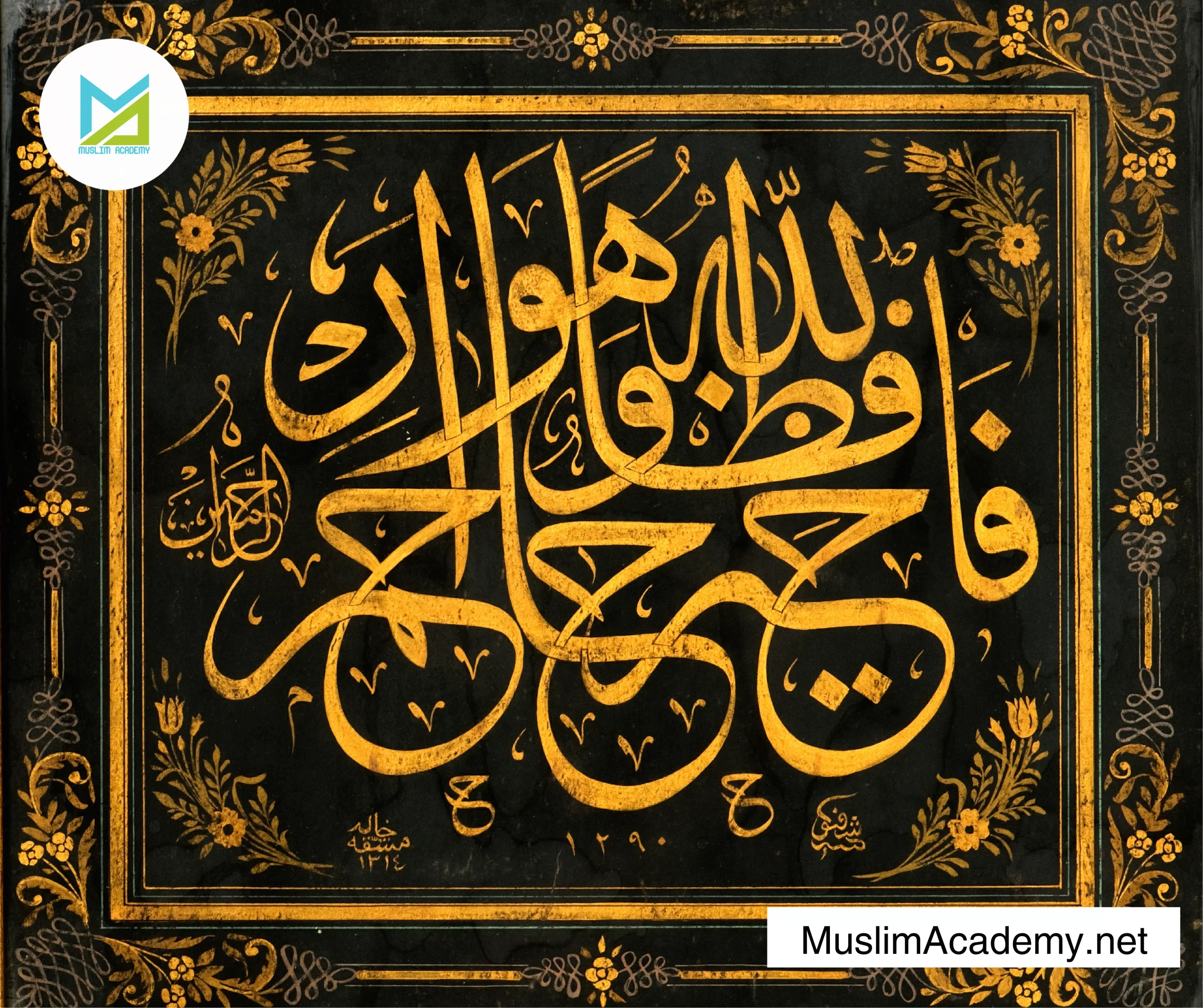
Arabic possesses one of the most elegant and systematic grammatical structures of any major world language. Its foundation rests on a root system in which most words derive from three-letter roots — a system so consistent and so productive that a student who grasps it gains the ability to deduce the approximate meaning of unfamiliar words with remarkable accuracy.
Understanding Arabic grammar is not optional for a student who wants genuine fluency. A student who memorizes vocabulary without grammar can produce isolated words but cannot construct sentences, understand complex texts, or engage with classical scholarship at any meaningful depth. Furthermore, Arabic grammar — particularly case endings and verb conjugation patterns — directly affects the meaning of sentences in ways that misreading them creates genuine misunderstanding. Therefore, a Course Arabic with Muslim Academy program that teaches grammar systematically and clearly produces students who understand the language rather than simply recognizing it.
The Role of a Qualified Teacher in Language Acquisition
Language learning reaches its highest efficiency under the guidance of a qualified teacher who brings pedagogical skill, genuine subject mastery, and the ability to personalize instruction to individual student needs. An Arabic teacher who speaks the language natively or has achieved near-native competence, and who has trained specifically in how to teach Arabic to non-native speakers, brings capabilities to the classroom that no textbook or digital platform can replicate.
A qualified teacher hears the student’s pronunciation in real time and corrects it before incorrect habits solidify. They recognize patterns of grammatical difficulty specific to students from particular language backgrounds and prepare targeted explanations that address those difficulties directly. Moreover, they motivate the student through the inevitable plateaus that every language learner encounters, maintaining the momentum that carries students past the intermediate stage, where many give up. Consequently, the student who studies under qualified instruction consistently achieves faster progress and deeper competence than the self-directed student working from equivalent materials alone.
Learning Arabic Online: Flexibility Without Compromise
The growth of high-quality online Arabic education has removed the most significant barrier that once limited serious Arabic study — geography. A student living in a small city with no Arabic speakers in the local community, or in a country where formal Arabic instruction was previously inaccessible, can now connect with a highly qualified teacher through a video platform and receive instruction of the same quality available to students in Cairo or Amman.
Online Course Arabic with Muslim Academy programs offer the additional advantage of scheduling flexibility — a genuine and practical benefit for adult students managing careers, families, and varied daily responsibilities. Sessions can be scheduled in the early morning, the late evening, or wherever a consistent gap exists in the student’s weekly schedule. Furthermore, many online platforms record sessions and provide supplementary written materials that allow students to review content between lessons and progress more efficiently through the curriculum. Therefore, the modern student who pursues Arabic online sacrifices none of the quality of in-person instruction while gaining significant practical advantages that traditional classroom formats cannot match.
Arabic for Quranic Understanding
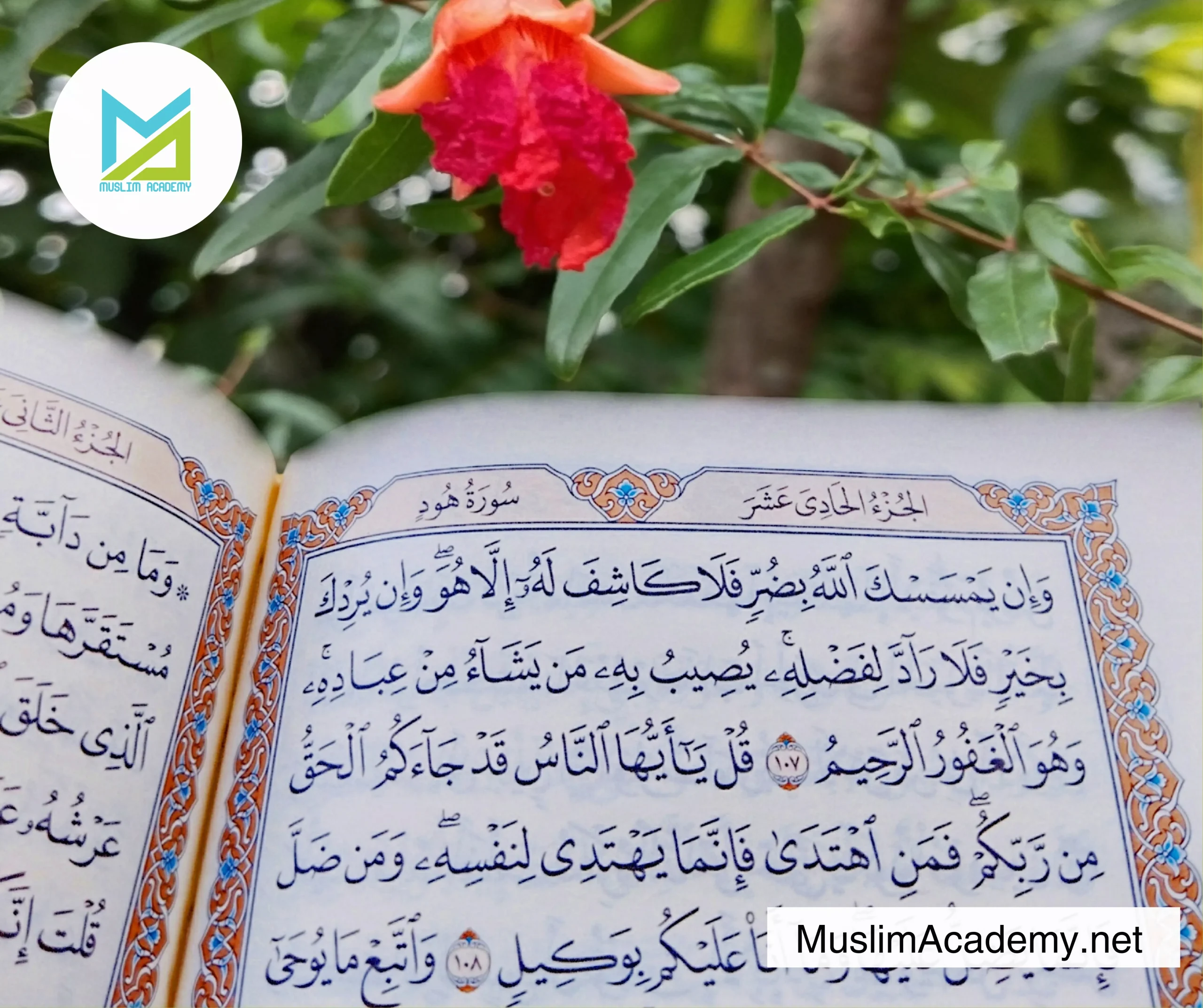
For Muslim students, the most personally profound dimension of Arabic study is the access it provides to the Quran in its original language. Every verse a Muslim recites in prayer, every passage they read in their daily Quran engagement, and every word of the Fatiha they repeat seventeen times each day carries a richness of meaning that Arabic fluency transforms from abstract knowledge into living, immediate understanding.
A student who completes a solid Course Arabic with Muslim Academy program and then engages with the Quran directly — without the filter of a translation — consistently describes the experience as one of the most moving and transformative encounters of their spiritual life. Words they had recited for years suddenly speak directly, each carrying its full weight of meaning into the heart at the same moment the tongue produces it. Furthermore, this understanding deepens the experience of prayer, transforms the practice of Quran recitation, and opens the entire tradition of classical Islamic scholarship to direct engagement. Consequently, for the Muslim student, completing an Arabic course is not merely a linguistic achievement — it is a spiritual one.
Setting Realistic Expectations and Timelines
Arabic is widely regarded as one of the most challenging languages for
speakers of European languages to acquire, and setting realistic expectations
about the learning timeline serves the student far better than optimistic
underestimates that produce premature discouragement. A dedicated student
who studies Arabic consistently for one to two years typically achieves
functional reading ability and a solid grammatical foundation. Genuine fluency
in reading classical texts or conducting sophisticated conversation requires
several more years of sustained and serious engagement.
However, this timeline should encourage rather than discourage the
prospective student. Every month of genuine progress delivers real and useful
competence — the ability to read more of the Quran directly, to understand
more of the prayer, to access more of the classical tradition. Furthermore, the
rewards of Arabic study arrive continuously throughout the learning journey
rather than only at some distant point of completion. Therefore, the student
who begins a Course Arabic with Muslim Academy program with realistic
expectations and genuine commitment discovers that progress arrives steadily
and that each new level of competence opens pleasures and possibilities that
make the continued effort feel thoroughly worthwhile.
Building Vocabulary as a Daily Practice
Arabic vocabulary acquisition accelerates enormously when the student treats
it as a daily practice rather than a periodic review task. The root system of
Arabic makes vocabulary learning more efficient than in most other languages
— a student who learns the root k-t-b recognizes that it relates to writing, and
from that single root, they derive kitab (book), katib (writer), maktaba (library),
maktub (written), and many more with relatively modest additional effort.
Furthermore, exposing the student’s memory to new vocabulary through
multiple channels — reading, listening, writing, and speaking — consolidate
retention far more effectively than any single mode alone. Consequently, the
student who integrates Arabic vocabulary building into their daily routine
through a combination of formal study and consistent real-language exposure
builds a working lexicon that grows steadily and supports all other language skills as it develops.
Staying Motivated Through the Intermediate Stage
Most language learners who abandon their study do so not at the beginning,
when everything feels fresh and interesting, and not at advanced levels, when
Competence itself provides motivation. They leave during the intermediate
stage — the extended period when the initial excitement has faded, genuine
fluency still feels distant, and progress becomes harder to perceive clearly.
Navigating this stage successfully requires specific strategies rather than raw
willpower. Setting short-term measurable goals — completing a specific
grammatical topic, reading a particular surah directly without reference to a
translation, or holding a five-minute Arabic conversation, provides the sense
of achievement that sustains motivation during longer plateaus. Moreover,
connecting with other Arabic learners — through online communities, study
partnerships, or language exchange programs — provides accountability,
encouragement, and the normalizing recognition that difficulty at this stage is
universal rather than personal. Therefore, a student who prepares mentally
And practically, for the intermediate challenge stands a significantly better
chance of navigating it successfully and arriving at the advanced competence
That makes every previous hour of effort feel entirely worthwhile.
Conclusion
A Course in Arabic with Muslim Academy program represents one of the most
genuinely rewarding educational investments available to any student —
Muslim or otherwise. It opens access to a civilization of extraordinary depth, a
literary tradition of remarkable beauty, a religious heritage of fourteen
centuries, and a contemporary world of 400 million speakers spread across an
enormous and strategically significant region of the globe.
For the Muslim student specifically, Arabic fluency transforms every dimension
of their religious practice — deepening prayer, enriching Quran recitation, and
opening the full tradition of Islamic scholarship to direct and unmediated
engagement. The journey is demanding, and the timeline is honest — but
every step of progress delivers something real, something lasting, and
something that the student who earns it carries with genuine pride for the rest of their life.