


Start Online Quran Classes with Muslim Academy
https://muslimacademy.net/index.php/free-trial/
In our increasingly diverse and interconnected world, the pursuit of knowledge about different cultures, religions, and belief systems has become more important than ever. One field that offers invaluable insights into one of the world’s major religions and civilizations is Islamic studies. A Degree in Islamic Studies from the Muslim Academy provides students with a comprehensive understanding of Islamic history, theology, philosophy, culture, and society across centuries and continents. This educational pathway opens doors to numerous career opportunities while fostering a deeper appreciation for the contributions of Islamic civilization to world knowledge and culture.
What Constitutes a Degree in Islamic Studies with Muslim Academy?
A Degree in Islamic Studies with Muslim Academy is an academic program that explores the religious, historical, cultural, and intellectual dimensions of Islam. Unlike religious instruction that focuses on faith-based learning, a Degree in Islamic Studies with Muslim Academy approaches the subject from a scholarly perspective. Students examine Islamic texts, history, jurisprudence, philosophy, art, and literature while developing critical thinking skills essential for understanding complex global issues.
The curriculum typically covers foundational areas including Quranic studies, hadith (prophetic traditions), Islamic law and jurisprudence, Islamic history from the seventh century to the present day, Islamic philosophy and theology, and Islamic contributions to science, mathematics, and medicine. Advanced courses may focus on specialized topics such as Islamic mysticism, Islamic political thought, Islamic art and architecture, contemporary Islamic issues, and the relationship between Islam and the West.
Core Components of Islamic Studies Programs
Most institutions offering a Degree in Islamic Studies with Muslim Academy structure their programs to provide both breadth and depth of knowledge. Students usually begin with foundational courses that establish a solid understanding of Islamic basics, including the life of the Prophet Muhammad, the development of Islamic civilization, and the major branches and schools of Islamic thought. Arabic language study is often a significant component, as proficiency in Arabic allows students to engage directly with primary Islamic texts rather than relying solely on translations.
The study of Islamic jurisprudence, or fiqh, represents another crucial element. Students learn about the methodologies Islamic scholars developed to derive legal and ethical principles from primary sources, and they understand how different schools of Islamic law developed and continue to influence Muslim societies today. This knowledge provides insight into how Islamic principles are applied to practical matters in everyday life and governance.
Historical courses within the program trace the development of Islamic civilization, examining the Islamic Golden Age when remarkable advances occurred in science, mathematics, astronomy, and medicine. Students also study the impact of colonialism on the Islamic world, the emergence of modern nation-states with Muslim-majority populations, and contemporary issues affecting Muslim communities globally. This historical perspective is essential for understanding modern Islam and the diverse Muslim world today.

Why Pursue a Degree in Islamic Studies with Muslim Academy?
Individuals pursue a Degree in Islamic Studies with Muslim Academy for various reasons, reflecting the diverse motivations and backgrounds of students. Some students are motivated by personal faith and a desire to deepen their understanding of their own religion from an academic perspective. Others approach the field as interested outsiders seeking to comprehend a major world religion and its followers. Still others are drawn to the interdisciplinary nature of Islamic studies, which combines elements of history, literature, philosophy, political science, and cultural studies.
In our globalized world, where Muslims comprise approximately a quarter of the global population and Islamic civilization has shaped world history significantly, understanding Islam becomes increasingly relevant. Whether someone plans to work in diplomacy, education, journalism, business, or international development, knowledge of Islamic history and culture provides valuable context for understanding contemporary international relations and diverse human societies.
Career Opportunities Following Islamic Studies Education
Graduates with a Degree in Islamic Studies from the Muslim Academy find employment in diverse sectors. Many pursue careers in academia, becoming university professors and researchers who contribute to scholarly understanding of Islam. Others work in educational settings as teachers and curriculum developers, helping students of all ages understand Islamic civilization. The growing field of cultural heritage preservation also employs Islamic studies graduates in museums, cultural organizations, and UNESCO initiatives dedicated to protecting Islamic monuments and traditions.
International organizations increasingly seek professionals with backgrounds in Islamic studies. The United Nations, World Bank, and various non-governmental organizations hire specialists who understand Islamic contexts to work on development projects, humanitarian initiatives, and conflict resolution in Muslim-majority regions. Diplomats and foreign service professionals benefit greatly from such expertise when working in Middle Eastern, North African, and South Asian countries.
Media and journalism represent additional career paths for Islamic studies graduates. As newsrooms recognize the importance of informed coverage of Islamic issues, journalists with background knowledge in Islamic history and culture become valuable assets. Publishing companies and documentary production firms also employ Islamic studies professionals to create educational content for general audiences.
Many graduates work in interfaith dialogue and community relations, using their knowledge to build bridges between different religious and cultural communities. Non-profit organizations focused on interfaith understanding, human rights, and community development frequently hire Islamic studies professionals. Additionally, some graduates pursue advanced degrees in law, international relations, or business, using their Islamic studies background as a foundation for specialized professional training.
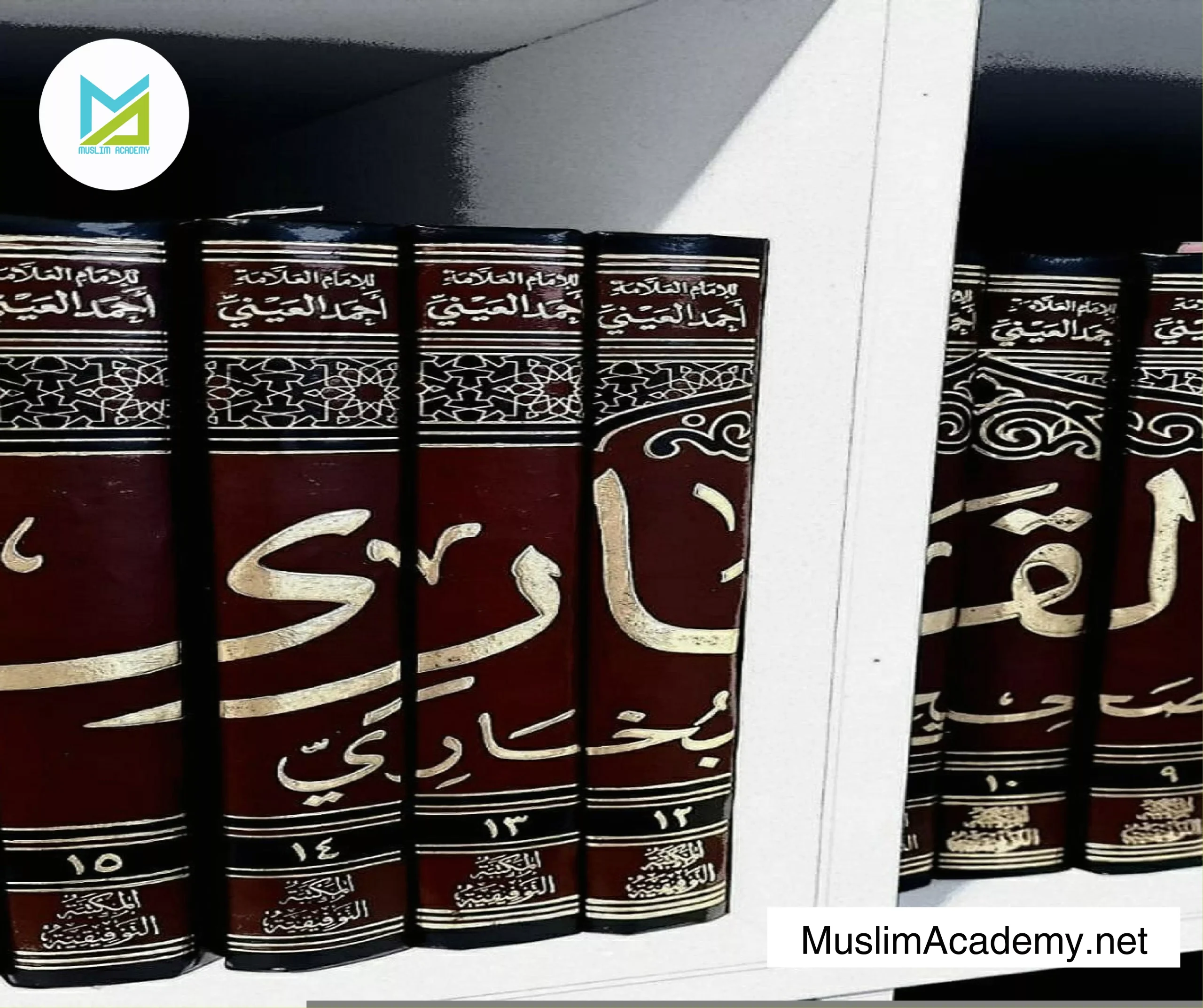
Developing Specialized Knowledge
As students progress through their Degree in Islamic Studies with Muslim Academy, they have opportunities to develop specialized expertise in particular areas of interest. Some choose to focus on Islamic mysticism and Sufi traditions, exploring the spiritual dimensions of Islamic thought and practice. Others concentrate on Islamic political thought and governance, examining how Islamic principles have been applied to state structures and political systems throughout history.
Some students specialize in Islamic science and mathematics, studying the remarkable contributions Muslims made during the Islamic Golden Age and how these achievements influenced the European Renaissance and modern scientific development. Others focus on Islamic art and architecture, studying the distinctive aesthetic principles that characterize Islamic design and their manifestations in mosques, manuscripts, and decorative arts. Gender studies within Islamic contexts is another growing specialization, examining the historical roles of women in Islamic society and how Islamic texts have been interpreted differently regarding gender relations.
Contemporary Islamic studies also allows for specialization in modern issues such as Islam in the diaspora, Islamic movements and activism, Islam and technology, and the experiences of Muslims in Western contexts. This flexibility enables students to tailor their education to align with their professional aspirations and intellectual interests.
The Interdisciplinary Nature of Islamic Studies
One of the strengths of pursuing a Degree in Islamic Studies with Muslim Academy lies in its inherently interdisciplinary approach. The field draws on methodologies and insights from history, religious studies, literature, philosophy, political science, sociology, and anthropology. This interdisciplinary foundation prepares graduates to think comprehensively about complex issues and to understand how different dimensions of human experience—cultural, religious, political, economic—interconnect.
Students develop critical analytical skills while studying primary sources in translation and, increasingly, in the original Arabic. They learn to evaluate diverse scholarly interpretations and engage in academic debate on contested issues. These skills prove valuable across numerous professional fields requiring research, analysis, and clear communication.
Global Perspectives and Cultural Competence
The study of Islamic civilization necessarily involves engaging with diverse Muslim cultures spanning from West Africa to Southeast Asia, from Turkey to Indonesia, from the Arab world to South Asia. A comprehensive Degree in Islamic Studies with Muslim Academy exposes students to this remarkable diversity, challenging simplistic generalizations and fostering a nuanced understanding of how Islam manifests differently across various cultural, historical, and geographical contexts.
This exposure to global perspectives and diverse Muslim cultures develops the cultural competence increasingly sought by employers in international fields. In an era of global challenges requiring international cooperation and mutual understanding, professionals who can navigate diverse cultural contexts bring significant value to their organizations.
Conclusion: The Value of Islamic Studies Education
A Degree in Islamic Studies with Muslim Academy represents far more than religious education; it offers a comprehensive academic exploration of one of the world’s most significant religious, intellectual, and cultural traditions. Whether approached from personal spiritual interest, intellectual curiosity, or professional preparation, this field of study provides knowledge and skills applicable across numerous career paths and essential for informed global citizenship.
As the world becomes increasingly interconnected, the ability to understand different cultures, religions, and historical traditions becomes ever more valuable. Those who pursue a Degree in Islamic Studies with Muslim Academy position themselves to contribute meaningfully to interfaith dialogue, international cooperation, and the advancement of human knowledge. The discipline continues to evolve, incorporating contemporary concerns while maintaining rigorous scholarly standards, making it an exciting and relevant field for students seeking to understand our complex world and their place within it.