


Start Online Quran Classes with Muslim Academy
https://muslimacademy.net/index.php/free-trial/
Many people assume that reading the Quran fluently requires years of study before any real progress appears. This assumption discourages countless beginners. The truth, however, tells a different story. Easy Reading Quran with Muslim Academy is not a distant goal reserved for advanced students. With the right method, the right teacher, and a consistent daily habit, every sincere student can build genuine reading confidence far sooner than they expect.
Arabic may look unfamiliar at first. The letters connect in ways that differ from most other writing systems. However, the Arabic alphabet contains only twenty-eight letters. Each one carries a consistent sound. Furthermore, the vowel system of Quranic Arabic uses clear visual markers that guide the reader directly. Consequently, a student who learns these foundations systematically moves toward confident reading with surprising speed.
Starting With the Alphabet and Vowel Markers
Every reading journey begins at the same place. The Arabic alphabet comes first. Each letter must be recognized in its isolated form. Each sound must be produced correctly from the start.
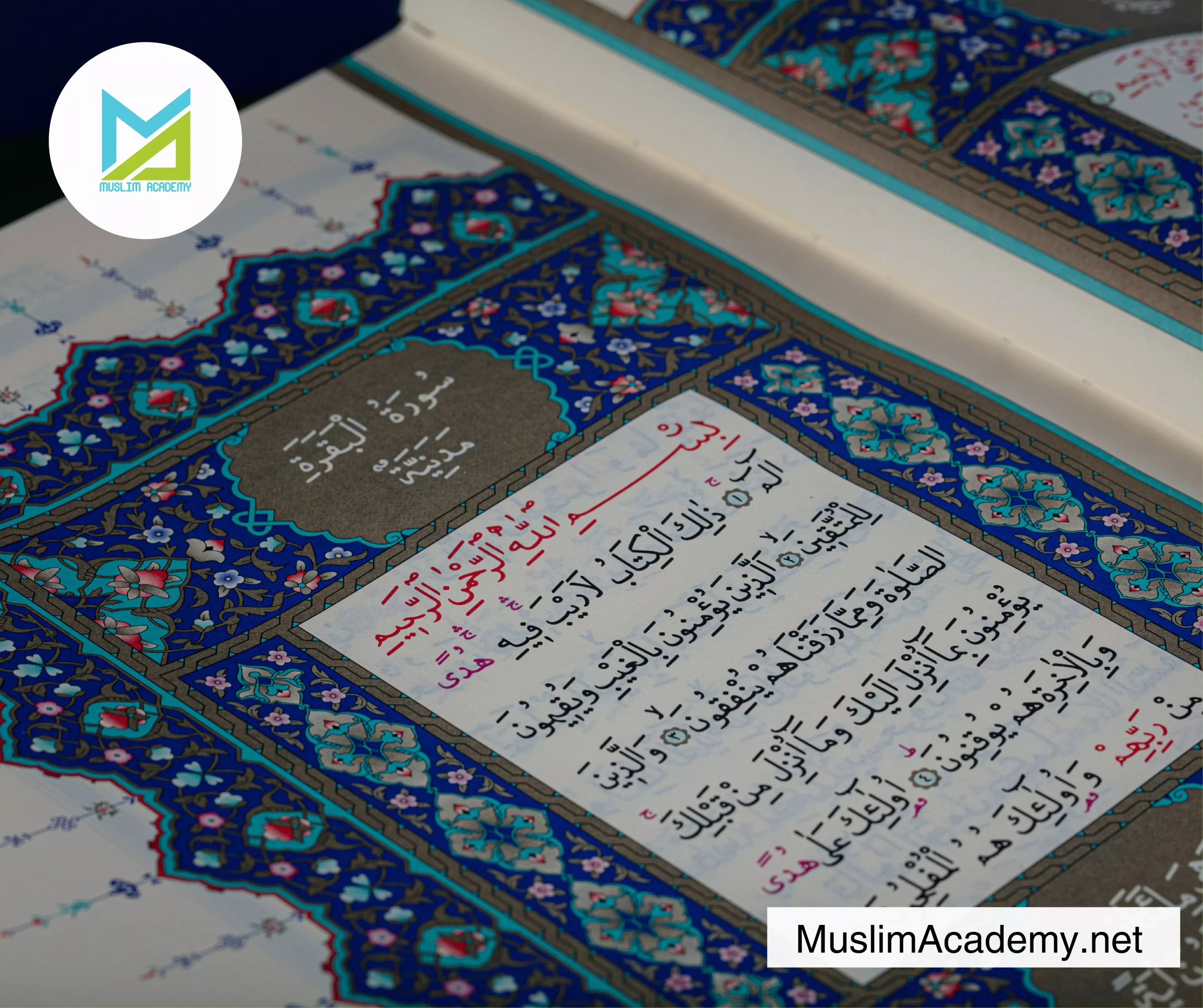
Quranic Arabic uses a system of vowel markers called Tashkeel. These small symbols appear above and below the letters. They tell the reader exactly how to pronounce each word. Furthermore, the Quran uses full Tashkeel throughout its text. This makes it significantly easier to read than most Arabic texts. Consequently, a student learning to read specifically for the Quran benefits from a text that guides pronunciation at every step.
The Iqra Method as a Starting Point
Many teachers around the world use the Iqra curriculum to introduce beginners to Arabic reading. This method builds skills in a logical sequence. Each lesson prepares the student for the next. No step skips ahead of genuine readiness.
The Iqra approach introduces letters gradually. Short vowels arrive early. Long vowels and connected letter forms follow in a carefully managed progression. Furthermore, students encounter real Quranic words quickly. This keeps the practice connected to meaningful content from the beginning. Therefore, students who follow this method consistently reach basic Easy Reading Quran with Muslim Academy ability within months rather than years.

The Role of Repetition in Building Fluency
Fluent reading does not come from understanding alone. The eyes must recognize letter shapes automatically. The mouth must produce sounds without conscious deliberation. Reaching this automaticity requires repetition — focused, daily, and patient.
A student who reads the same short passage multiple times in a single session trains recognition more effectively than one who rushes through new material constantly. Covering less material thoroughly outperforms covering more material loosely every time. Moreover, reading aloud accelerates fluency development significantly. The voice, the ear, and the eye all engage simultaneously. As a result, the student builds reading confidence faster through spoken practice than through silent review alone.
Why a Qualified Teacher Makes Everything Easier
Arabic contains sounds unfamiliar to most non-native speakers. Some emerge from the throat. Others require precise tongue placement. A student working alone often produces approximate sounds without realizing the inaccuracy.
A qualified teacher hears every sound the student produces. Errors get corrected immediately. Good habits form before bad ones take root. Furthermore, a teacher personalizes the lesson to the student’s specific difficulties. Generic explanations give way to targeted guidance. Consequently, students under qualified instruction reach Easy Reading Quran with Muslim Academy ability more accurately and more quickly than self-directed learners working from equivalent materials.
Short Daily Sessions Beat Long Irregular Ones
Consistency matters more than session length in Arabic reading development. Twenty minutes of focused daily practice produces better results than two hours once a week. The brain consolidates new skills most effectively through regular, repeated exposure rather than occasional intensive effort.
Setting a fixed daily reading time protects the practice from being displaced by competing demands. Morning hours work well for many students. The mind is fresh. External distractions remain minimal. Furthermore, a short daily session feels manageable rather than burdensome. Maintaining the habit becomes easier. Therefore, the student who commits to a modest daily routine builds reading fluency steadily and sustainably over time.
Using Audio Recitation as a Learning Support
Listening to expert Quranic recitation supports reading development powerfully. The ear absorbs correct pronunciation patterns through regular exposure. Familiar surahs begin to feel natural before the student actively studies them.
Many students listen to a short passage multiple times before attempting to read it independently. The sounds settle into memory first. When the eyes then engage with the written text, recognition feels easier and more natural. Moreover, listening to a qualified reciter while following the written text simultaneously trains both skills. As a result, reading fluency and correct pronunciation develop in parallel rather than in isolation.
Understanding Harakat and Their Importance
Harakat are the vowel markers that appear throughout the Quranic text. A short fatha above a letter produces an “a” sound. A kasra below produces an “i” sound. A damma above produces a “u” sound. These three markers cover the vast majority of reading decisions a student faces.
Understanding Harakat removes much of the uncertainty that makes Arabic seem difficult. Each marker gives a clear instruction. The student follows it. Furthermore, specific markers indicate where to stop the sound, where to double it, and where to extend it. Therefore, a student who masters Harakat early gains a reliable reading guide that operates consistently across the entire Quranic text.
Avoiding the Trap of Transliteration
Many beginning students reach for transliteration — the practice of writing Arabic sounds using familiar letters from their own language. This feels helpful at first. Progress seems faster. However, transliteration creates a dependency that blocks genuine reading development.
A student who relies on transliteration never trains their eyes to recognize Arabic letters automatically. The actual script remains foreign regardless of how much content they cover. Breaking the transliteration habit later proves harder than avoiding it from the beginning. Consequently, students who commit to learning actual Arabic letters from their very first lesson reach Easy Reading Quran with Muslim Academy ability far more reliably than those who take the transliteration shortcut.
Celebrating Small Milestones Along the Way
Reading the Quran fluently is a long-term goal. The journey contains many smaller achievements worth recognizing. Reading the first full line independently deserves celebration. Completing the first short surah without help marks real progress.
Acknowledging these milestones sustains motivation across the full duration of the learning journey. Progress that goes unnoticed feels invisible. Progress that gets recognized feels real. Furthermore, sharing achievements with a teacher or family member adds a social dimension that reinforces the student’s commitment. Therefore, building a practice of celebrating small wins creates the positive momentum that carries students forward through the more demanding stages of the journey.
Connecting Reading to Daily Prayer
The five daily prayers offer the most natural and consistent context for Quranic reading practice. Every Muslim recites Quranic verses in every Salah. A student who connects their reading development to this daily practice creates a genuine motivation for improvement.
Understanding what is recited in prayer transforms Salah from repetition into communication. Each verse becomes meaningful rather than mechanical. Furthermore, the daily repetition of the same surahs in prayer reinforces the student’s familiarity with specific passages. Consequently, Easy Reading Quran with Muslim Academy becomes not just an educational goal but a living dimension of the student’s spiritual practice — present, meaningful, and personally significant every single day.
Conclusion
Easy Reading Quran with Muslim Academy is within reach for every sincere student. The alphabet is learnable. The vowel system is clear. With a qualified teacher, a consistent daily practice, and genuine patience, every student moves steadily from unfamiliarity toward confidence. The journey asks for commitment and time. What it gives back — a direct, personal, and fluent engagement with the word of God — rewards every moment of effort invested in it many times over.