Start Online Quran Classes with Muslim Academy
https://muslimacademy.net/index.php/free-trial/
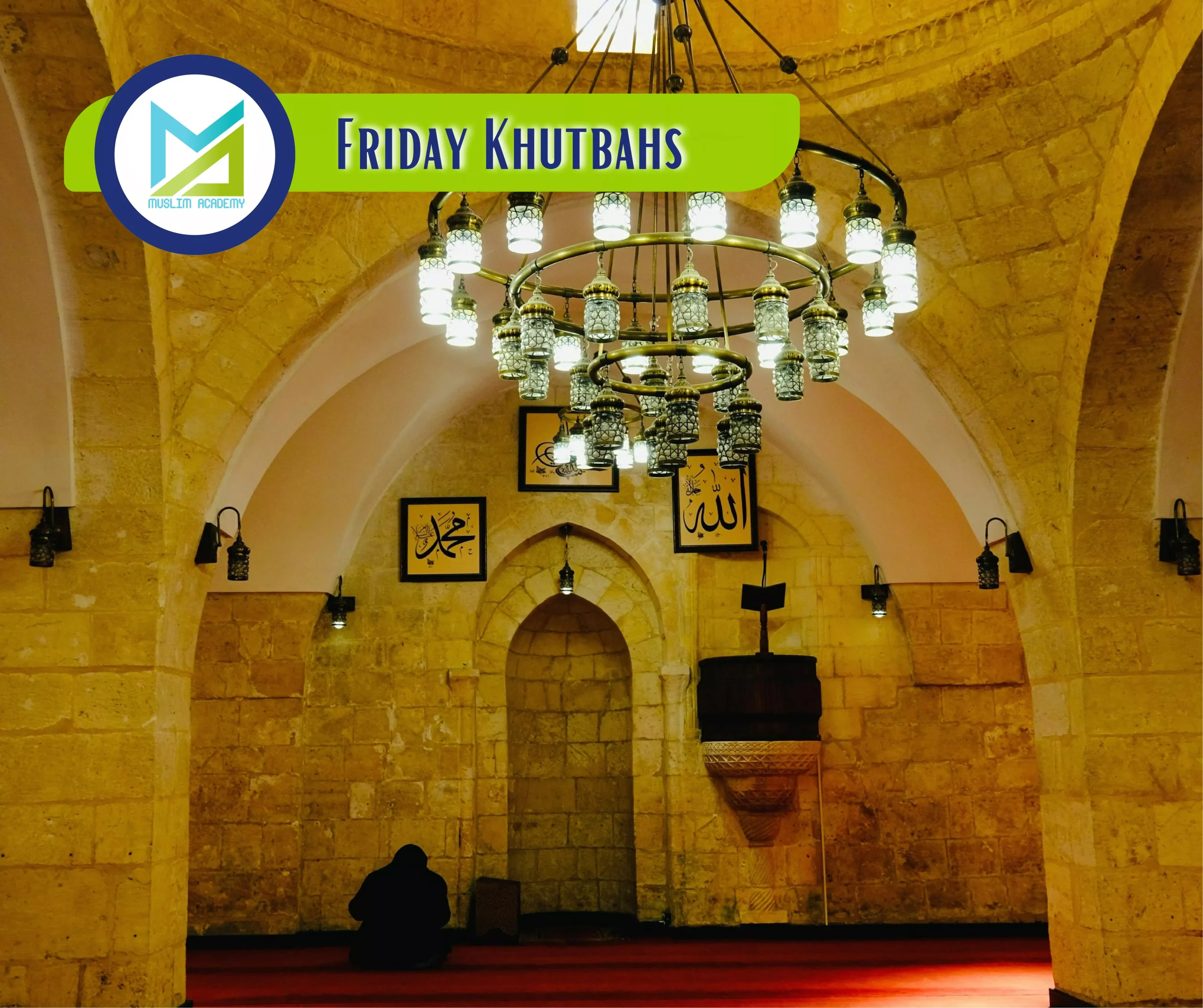
Every Friday, something remarkable happens in mosques around the world. Millions of Muslims leave their workplaces, their homes, and their daily routines. They gather in rows before God. Before the prayer begins, an Imam stands and speaks. That address — the Khutbah — carries a weight that no other moment in the weekly Muslim calendar shares. Friday Khutbahs with Muslim Academy have shaped Muslim communities, reinforced Islamic values, and provided moral guidance to believers across every century of the faith’s history.
The Khutbah is not a casual talk. It holds a defined religious status. Scholars regard it as a condition of the valid Friday prayer. Missing it deliberately without excuse carries religious consequences. Furthermore, its content must include specific elements — praise of God, salutations upon the Prophet, and genuine guidance drawn from the Quran and Sunnah. Consequently, the Friday sermon is not simply a communal custom. It is an act of worship — structured, obligatory, and spiritually purposeful.
The Origins of the Friday Sermon
The Prophet Muhammad delivered the first Friday Khutbahs at the Muslim Academy personally. He stood before his companions and addressed them directly. His sermons were focused. They were brief. They carried deep spiritual weight without unnecessary length.
The companions transmitted this practice to the generations that followed. Every Muslim ruler and religious leader after the Prophet’s time understood Jumu’ah as inseparable from its sermon. Furthermore, the Khutbah became one of the most visible expressions of Islamic community life — a moment when the Ummah gathered around shared guidance. Consequently, the tradition of the Friday sermon has continued unbroken for over fourteen centuries.
The Two-Sermon Structure
Most scholars require the Friday Khutbah to consist of two distinct parts. The first part carries the main content — the topic, the Quranic evidence, and the practical guidance. A brief sitting period separates the two. The second part is typically shorter. It includes supplication for the Muslim community and a closing reminder.
This structure serves a deliberate purpose. The sitting creates a moment of reflection between the substantive teaching and the closing prayer. Furthermore, the two-part format mirrors the tradition established by the Prophet himself. Therefore, Imams who follow this structure honor both the legal requirement and the Sunnah simultaneously.
Choosing Topics That Serve the Community
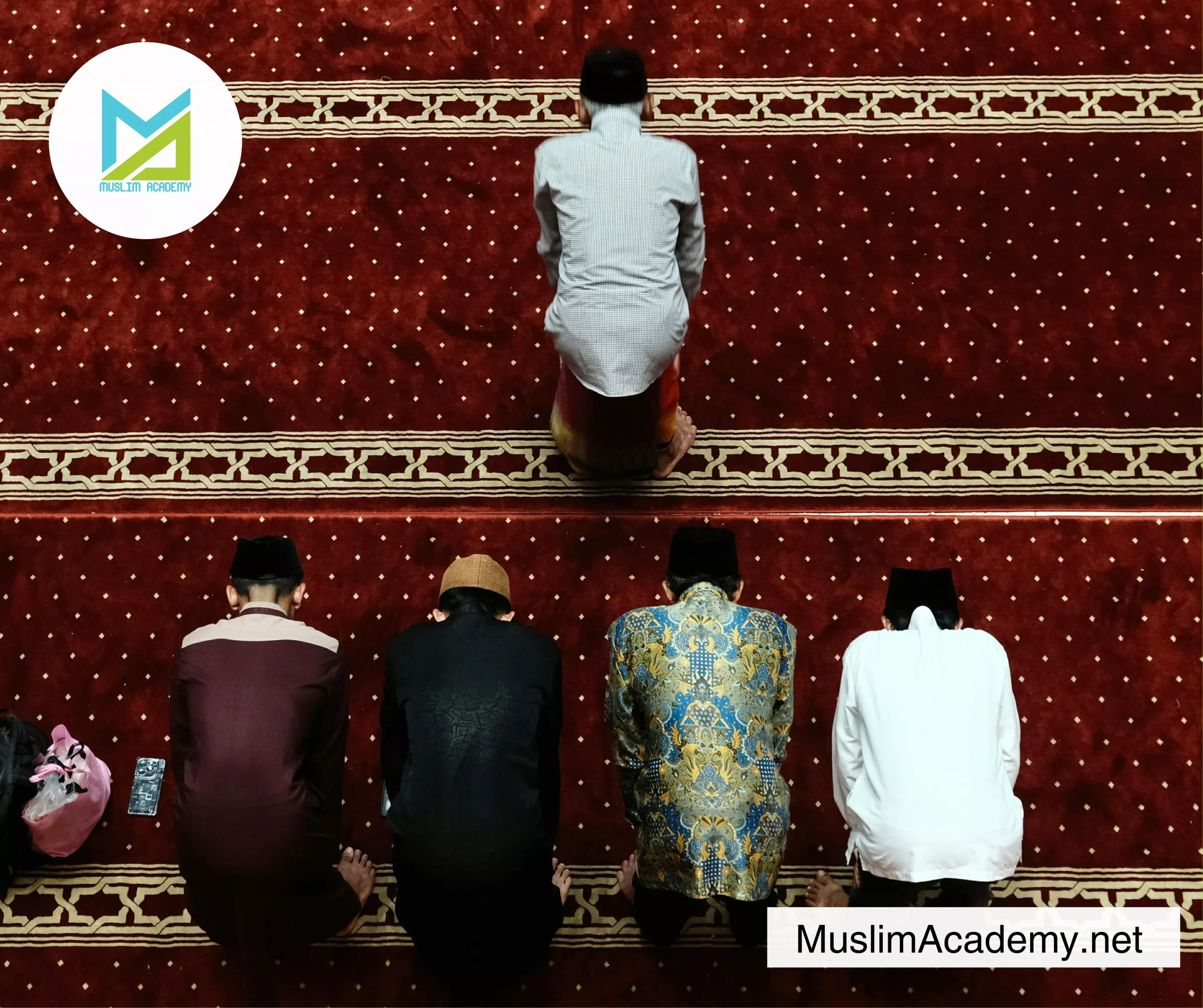
The most effective Friday Khutbahs with Muslim Academy address the real circumstances of the congregation. Generic theological lectures carry some value. However, sermons that engage directly with what community members experience during their week carry significantly more impact.
Family ethics, professional integrity, mental health, civic responsibility, and the challenges of raising children with Islamic values — these topics resonate deeply. Furthermore, a skilled Imam connects Quranic and prophetic guidance to these contemporary realities rather than leaving the congregation to make that connection alone. As a result, the congregation leaves Jumu’ah carrying practical wisdom they can apply before the next Friday arrives.
The Art of Effective Delivery
Content alone does not make a Khutbah memorable. Delivery shapes how deeply the message lands. A monotone voice loses the audience quickly. Clear articulation, varied pace, and genuine emotional engagement all contribute to a sermon that holds attention from opening to close.
Eye contact creates a sense of personal address. Each listener feels spoken to directly rather than addressed as part of a crowd. Moreover, concrete examples and relevant stories make abstract principles immediately accessible and genuinely memorable. Consequently, an Imam who develops delivery skills alongside theological knowledge serves their congregation at a level that content preparation alone never achieves.
Preparation as the Foundation of Quality
A powerful Khutbah never emerges from improvisation. Thorough preparation separates a memorable sermon from a forgettable one. The Imam researches the topic carefully. Relevant Quranic verses and authentic hadiths receive selection and study. The argument builds in a logical sequence.
Anticipating the congregation’s questions and concerns shapes how every point gets framed. Understanding what the community is experiencing that week makes the sermon feel specifically addressed to them rather than generically delivered. Furthermore, a well-prepared Imam speaks with a confidence that the congregation senses immediately. Therefore, time invested in preparation multiplies the impact of every minute spent on the pulpit.
Brevity as a Prophetic Principle
The Prophet Muhammad explicitly praised short sermons. He described the length of prayer and the brevity of the sermon as signs of a man’s understanding. This principle carries practical wisdom that every Imam benefits from internalizing.
Shorter sermons hold attention more effectively. Every point lands more cleanly when it is not buried in excessive length. Furthermore, a concise sermon respects the congregation’s time, many of whom returned from work specifically for Jumu’ah and need to return quickly. Consequently, an Imam who masters the art of saying much in a few words serves their congregation more effectively than one who speaks at length without proportional depth.
Friday Khutbahs with Muslim Academy in Languages Other Than Arabic
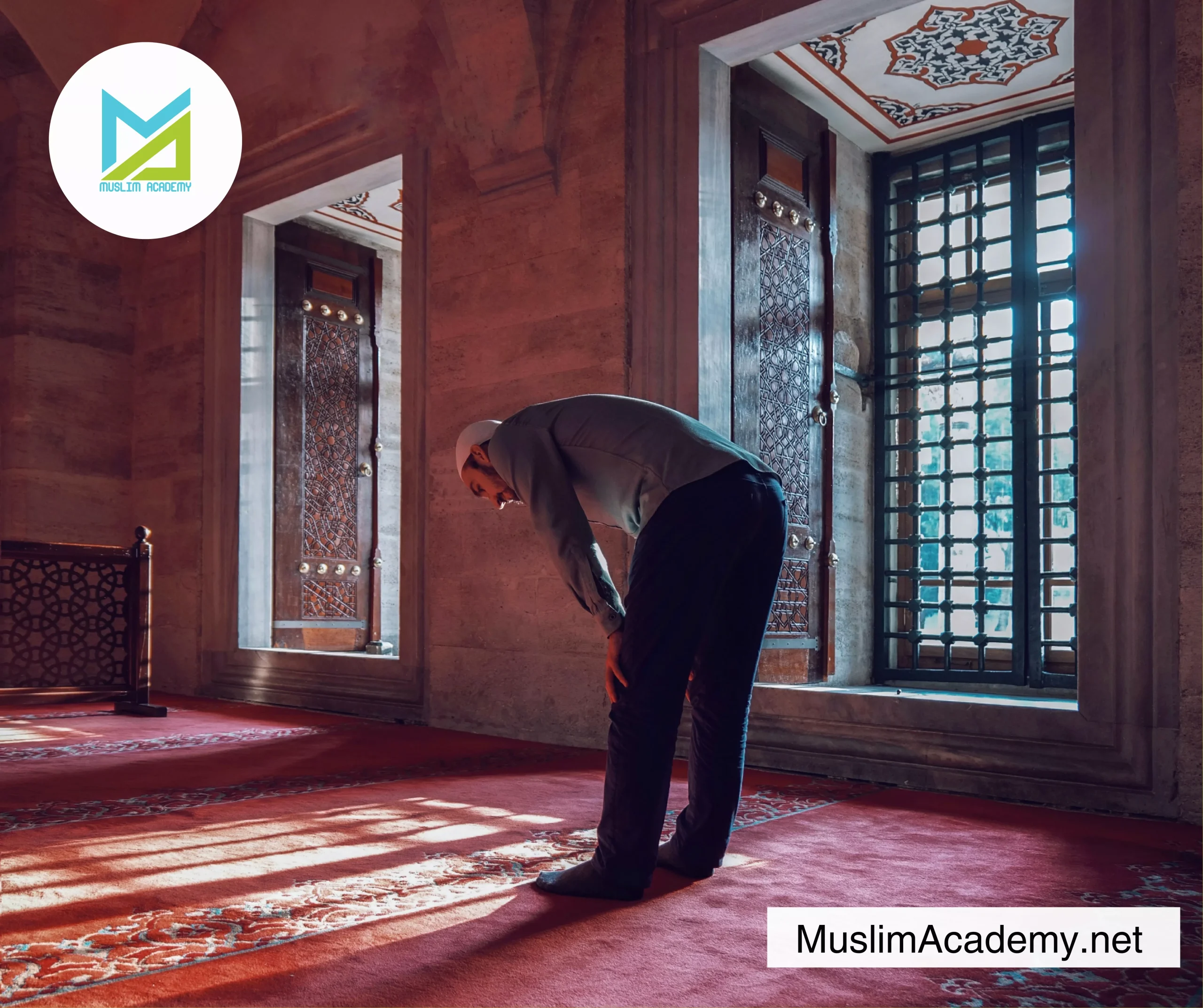
Classical Arabic served as the original language of Friday Khutbahs with Muslim Academy. The Prophet and his companions addressed Arabic-speaking communities. However, Islam spread to people across every linguistic background. The question of language naturally arose.
Many scholars permit and encourage delivering the main body of the sermon in the congregation’s local language. The guidance contained in Friday Khutbahs with Muslim Academy must reach the people sitting in the mosque. A sermon delivered in a language the congregation cannot follow fails its fundamental purpose. Furthermore, Quranic verses continue to be recited in Arabic even within local language sermons. Therefore, the bilingual approach preserves Arabic’s sacred status while ensuring genuine comprehension.
Digital Platforms and the Extended Reach of Sermons
Technology has transformed how Friday Khutbahs with Muslim Academy reach their audiences. Mosque recordings circulate widely on social media platforms and dedicated Islamic channels. Muslims who missed Jumu’ah access that week’s sermon the same afternoon. Those living in areas without a nearby mosque find regular guidance through digital platforms.
Some Imams have built significant audiences through consistently excellent recorded sermons. Their Friday addresses reach listeners across continents and time zones. Moreover, non-Muslims curious about Islam sometimes encounter the tradition through these accessible digital recordings. As a result, the reach of the Friday sermon has expanded beyond anything previous generations could have imagined.
The Khutbah as a Tool for Social Cohesion
A well-delivered Khutbah does more than teach. It builds bonds. Shared listening creates shared experience. A congregation that hears the same message and feels moved by the same reminder leaves the mosque with a stronger collective identity.
Regular Friday Khutbahs with Muslim Academy also establish a community’s moral and spiritual reference points over time. Members refer back to what the Imam said. Young people carry the week’s message into their schools and workplaces. Furthermore, a consistent quality of preaching builds genuine trust between the Imam and the congregation across months and years. Consequently, the Friday sermon functions as one of the most powerful community-building tools available to any mosque.
Nurturing Future Preachers
Every generation requires new Imams capable of delivering impactful Friday Khutbahs with Muslim Academy. Training the next generation of preachers deserves serious institutional investment. Traditional seminary education provides theological depth. Public speaking training adds practical delivery skills. Community engagement experience develops the sensitivity to address real needs effectively.
Mentorship from experienced Imams accelerates development significantly. Observing a skilled preacher, receiving feedback on delivered sermons, and gradually assuming preaching responsibilities with guidance — this pathway develops capability faster than formal study alone. Moreover, communities that invest in their young Imams signal something important — that excellent preaching matters, that the congregation deserves quality, and that the tradition of the Friday sermon is worth developing with genuine care. Therefore, nurturing preachers is not merely institutional maintenance. It is an investment in the spiritual health of the community for generations ahead.
Conclusion
Friday Khutbahs with Muslim Academy have served Muslim communities as a source of guidance, reminder, and communal cohesion since the earliest days of Islam. Their power lies not in their length or their complexity but in their faithfulness to divine guidance, their relevance to real community needs, and the sincerity with which they are delivered. Every Imam who prepares carefully, speaks honestly, and genuinely serves the people before them carries forward one of the most important traditions in all of Islamic community life.