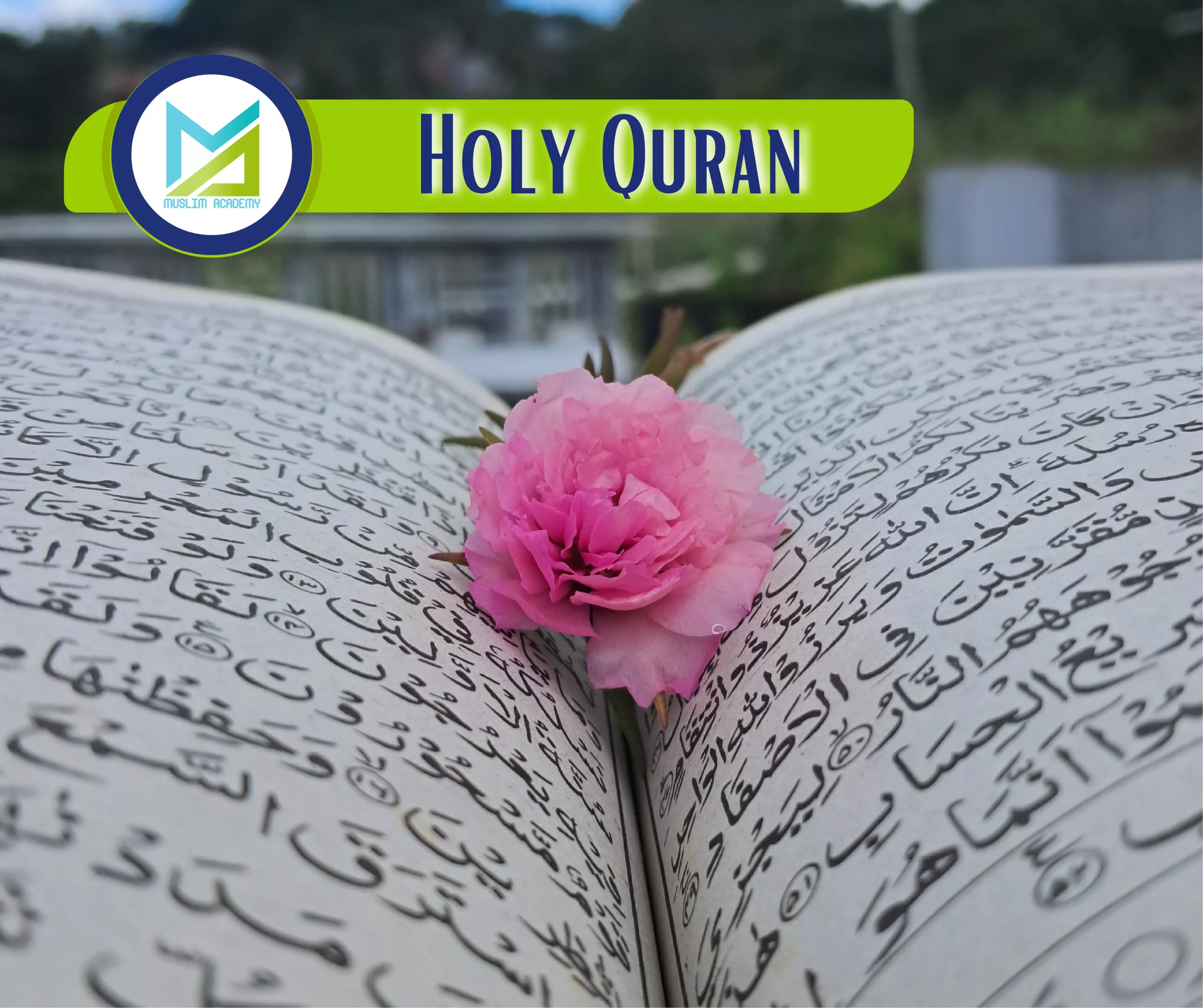
Start Online Quran Classes with Muslim Academy
https://muslimacademy.net/index.php/free-trial/
Few books in the entire history of human civilisation have shaped the lives of their readers as deeply, as widely, and as enduringly as the Holy Quran with Muslim Academy. Philosophers write books that move generations. Poets compose verses that echo across centuries. Nations build constitutions that define entire eras. Yet the Quran occupies a category entirely its own — a scripture that over one billion people across the globe regard not as the product of a human mind, but as the direct word of Allah, preserved perfectly from the moment of its first revelation to this very day.
Understanding what the Quran is, how it came to exist, and why it continues to hold such a central place in Muslim life opens a doorway into one of humanity’s most significant and enduring spiritual traditions. This article explores those dimensions honestly, accessibly, and with genuine respect for the depth of the subject.
What Is the Holy Quran with Muslim Academy?
The Holy Quran with Muslim Academy is the sacred scripture of Islam. Muslims believe it contains the literal words of Allah, revealed to the Prophet Muhammad through the Angel Jibreel over a period of approximately twenty-three years. The first revelation descended in the year 610 CE, when Muhammad was in a state of deep meditation in the Cave of Hira near Mecca. The revelations continued until shortly before he died in 632 CE.
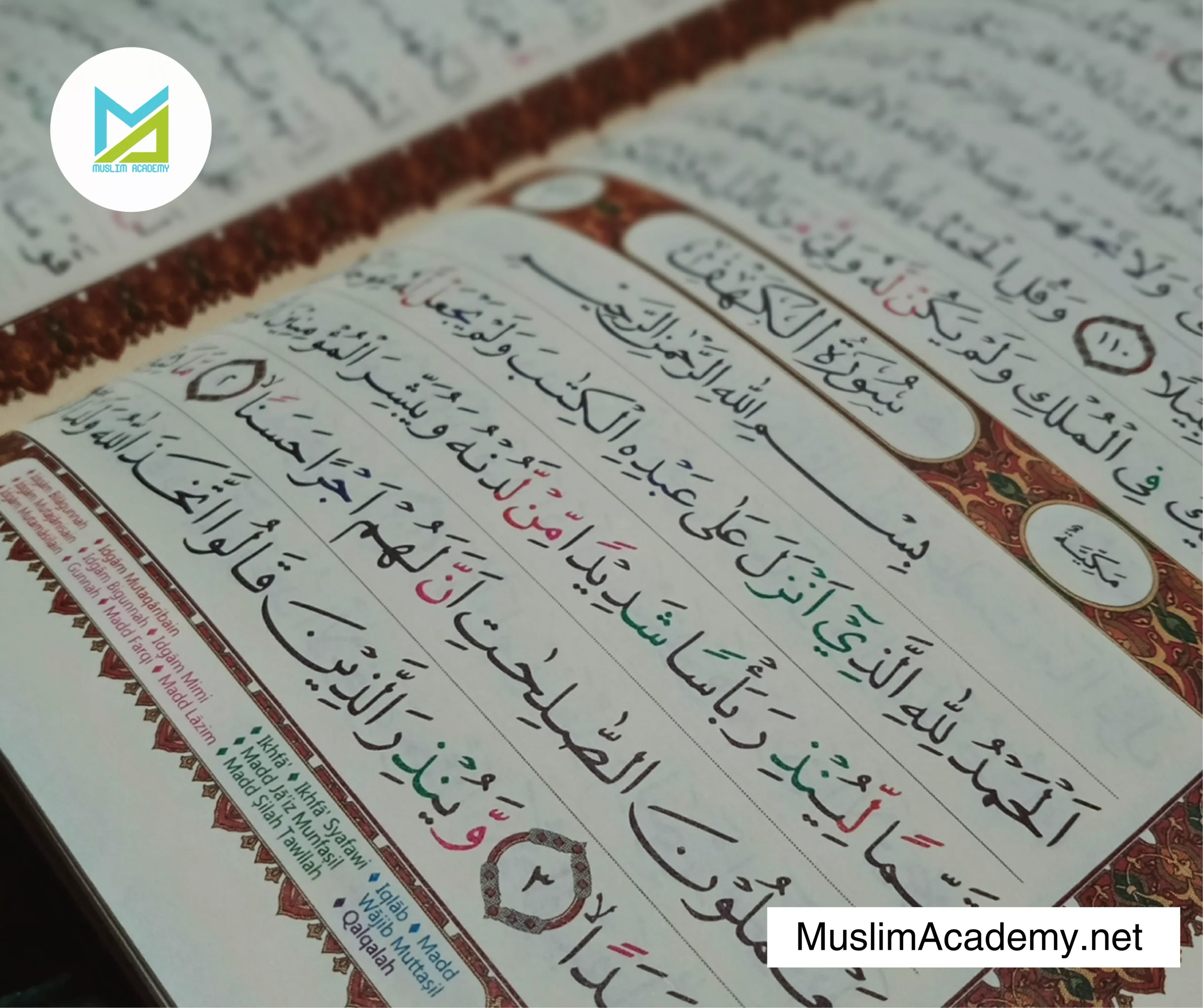
The Quran consists of 114 chapters, called surahs. Each surah contains a varying number of verses, called ayat. Together, these chapters and verses address an extraordinary range of human concerns — theology, ethics, law, history, the natural world, human psychology, family life, social justice, and the relationship between the individual soul and its Creator. Consequently, the Quran functions not merely as a book of religious ritual but as a comprehensive guide for every dimension of human existence.
The word Quran itself derives from the Arabic root qara’a, meaning to recite or to read aloud. This etymological origin is significant. From the very beginning, the Quran existed as a recited reality — meant to be spoken, heard, and memorised — not simply stored on a shelf and read silently on special occasions.
How the Quran Was Revealed and Preserved
The manner of the Quran’s revelation sets it apart from every other sacred text in history. It did not arrive all at once. Instead, Allah sent its verses gradually over twenty-three years, addressing the specific situations, challenges, and questions that the early Muslim community faced as their faith developed.
As each new revelation arrived, the Prophet Muhammad recited it to his companions. Trained scribes recorded the verses immediately on whatever materials were available — animal skins, flat bones, palm leaves, and pieces of cloth. Furthermore, hundreds of companions committed large portions of the Quran to memory with extraordinary precision. Both the written record and the oral tradition operated simultaneously from the very first days of revelation.
After the Prophet’s death, the first Caliph Abu Bakr ordered a complete written compilation of the Quran. Scribes gathered every written fragment and cross-checked it carefully against the memories of companions who had memorised the text directly from the Prophet. This rigorous process produced the first authoritative written Quran. Moreover, the third Caliph Uthman ibn Affan later standardised this compilation and distributed copies to major Islamic cities, ensuring complete consistency across the growing Muslim world.
Today, the Quran that Muslims read in Cairo, Jakarta, London, and Lagos is identical in content to the text that the companions of the Prophet compiled in the seventh century. No other ancient text of comparable significance can make this claim with the same confidence.
The Language of the Quran
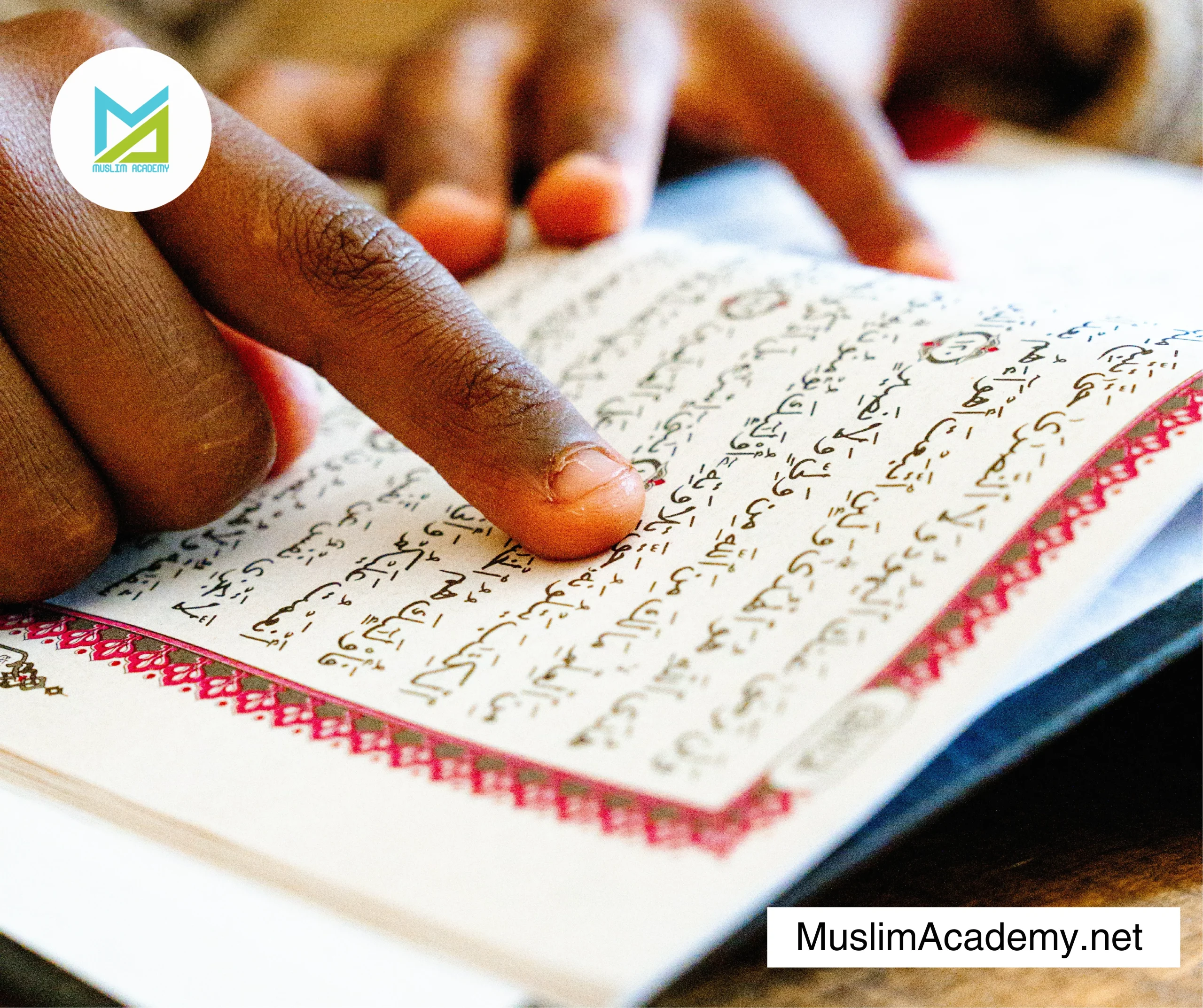
Allah revealed the Quran in Arabic — specifically in the rich, sophisticated Arabic dialect of seventh-century Arabia. Muslims consider this Arabic to be an inseparable part of the revelation itself. Therefore, the Quran is always recited in Arabic during Islamic prayer, regardless of what language a Muslim speaks in daily life.
This has driven one of history’s great linguistic achievements. Arabic spread across an enormous geographic region largely because of the Quran. Millions of non-Arab Muslims learned Arabic specifically to engage with their scripture directly. Furthermore, the Quran’s literary style — its rhythm, its imagery, and its structural elegance — profoundly influenced Arabic literature, poetry, and scholarship for over a millennium.
Translations of the Quran exist in dozens of languages and serve an important purpose. However, Muslims do not consider any translation to be the Quran itself. Rather, they view translations as interpretations of meaning — valuable aids for understanding, but not replacements for the original Arabic in which the revelation arrived.
The Major Themes of the Holy Quran with Muslim Academy
The Holy Quran with Muslim Academy addresses the full range of human experience across its 114 chapters. Several major themes recur consistently throughout the entire scripture, forming the theological and ethical backbone of everything the Quran teaches.
The Oneness of Allah
The most fundamental theme running through every chapter is tawhid — the absolute oneness of Allah. The Quran affirms repeatedly and without qualification that Allah has no partners, no equals, and no rivals. He alone created all things. alone sustains all things. alone holds ultimate authority over all of existence. This conviction forms the foundation on which every other aspect of Islamic belief rests.
Prophethood and Divine Guidance
The Quran tells the stories of many prophets, from Adam and Noah through Abraham, Moses, and Jesus to Muhammad. Each story carries specific lessons about faith, patience, courage, and the human tendency to reject inconvenient truths. Together, these narratives paint a continuous picture of Allah’s persistent mercy toward humanity — sending guidance again and again despite repeated rejection.
Accountability and the Afterlife
Descriptions of the Day of Judgment appear throughout the Quran with consistent frequency and vivid detail. On that day, every soul stands before its Creator and accounts for everything it chose in this life. The Quran presents this accountability not as a threat but as a logical consequence of a world in which human beings have been given genuine freedom, genuine knowledge, and genuine responsibility.
Justice and Human Dignity
The Quran places enormous emphasis on justice. It defends the rights of the alternative, the orphan, the widow, and the vulnerable. It condemns oppression in strong and unambiguous terms. Moreover, it establishes the inherent dignity of every human being as a creation honoured by Allah — a dignity that no social hierarchy, no historical circumstance, and no human authority can legitimately strip away.
Reflection on Creation
Throughout its chapters, the Quran repeatedly invites the reader to observe the natural world as evidence of divine wisdom and power. The movement of celestial bodies, the cycle of rain and growth, the diversity of living creatures, and the intricate balance of natural systems all appear as signs — ayat — pointing beyond themselves to the One who designed them. Consequently, the Quran consistently presents careful observation of creation not as a distraction from faith but as one of its deepest expressions.
The Quran in Muslim Daily Life
For practising Muslims, the Quran is not a book reserved for Fridays or special occasions. Its presence runs through the fabric of daily life with remarkable consistency.
Every Muslim who performs the five daily prayers recites Quranic verses in Arabic. The opening chapter, Surah Al-Fatiha, appears in every unit of every prayer, at a minimum of seventeen times each day. Beyond formal prayer, many Muslims maintain a personal habit of daily Quran reading, working through the text in regular portions that allow them to complete it once or multiple times each year.
During Ramadan, the engagement with the Quran intensifies significantly. Muslims traditionally increase their recitation during this blessed month, and the entire Quran is recited in congregation during the Tarawih prayers that characterise Ramadan nights worldwide. In addition, the Quran marks every major threshold of Muslim life — recited at birth, present at marriage ceremonies, and central to the rituals surrounding death and burial.
Children begin learning the Quran early. Many memorise its shorter chapters in childhood and continue building their memorisation over the years and decades. Those who memorise the complete Quran earn the title of hafiz or hafiza — guardian of the divine word — a designation that carries deep honour in Muslim communities everywhere.
Why the Quran Continues to Speak Across Centuries
Texts age. Languages evolve. Concerns shift. What felt urgent to one generation can feel remote to the next. Yet the Quran has maintained its relevance and its power across fourteen centuries, across dozens of cultures, and across every conceivable human circumstance. This endurance demands explanation.
Part of the answer lies in the universality of the questions it addresses.
Questions about the purpose of life, the reality of death, the demands of
justice, and the nature of the divine are not historical curiosities — they are the
permanent concerns of every conscious human being in every era. The Quran
speaks to these questions directly, confidently, and with a depth that rewards
every level of engagement from the simplest reading to the most advanced scholarly study.
Another part of the answer lies in the living oral tradition that has kept the
Quran is fresh and present in human experience. It is not a text locked in
libraries. Millions of people carry it entirely in their hearts. It sounds fill the air
at dawn in cities around the world every single day. This living, breathing
presence gives the Quran a vitality that purely written traditions struggle to sustain.
Conclusion
The Holy Quran with Muslim Academy stands as one of the most extraordinary
realities in the history of human civilisation. It has guided billions of lives,
shaped entire cultures, inspired magnificent artistic and architectural
traditions, and driven the development of language, law, and learning across centuries and continents.
More than any of these external achievements, however, it remains — for every
Muslim who opens its pages with a sincere intention — a direct address from the
Creator of the human heart. That intimate, personal dimension is what has
kept the Holy Quran with Muslim Academy at the centre of Muslim life for over
Fourteen centuries, and what will continue to keep it there for as long as human beings seek meaning, guidance, and truth.