Start Online Quran Classes with Muslim Academy
https://muslimacademy.net/index.php/free-trial/
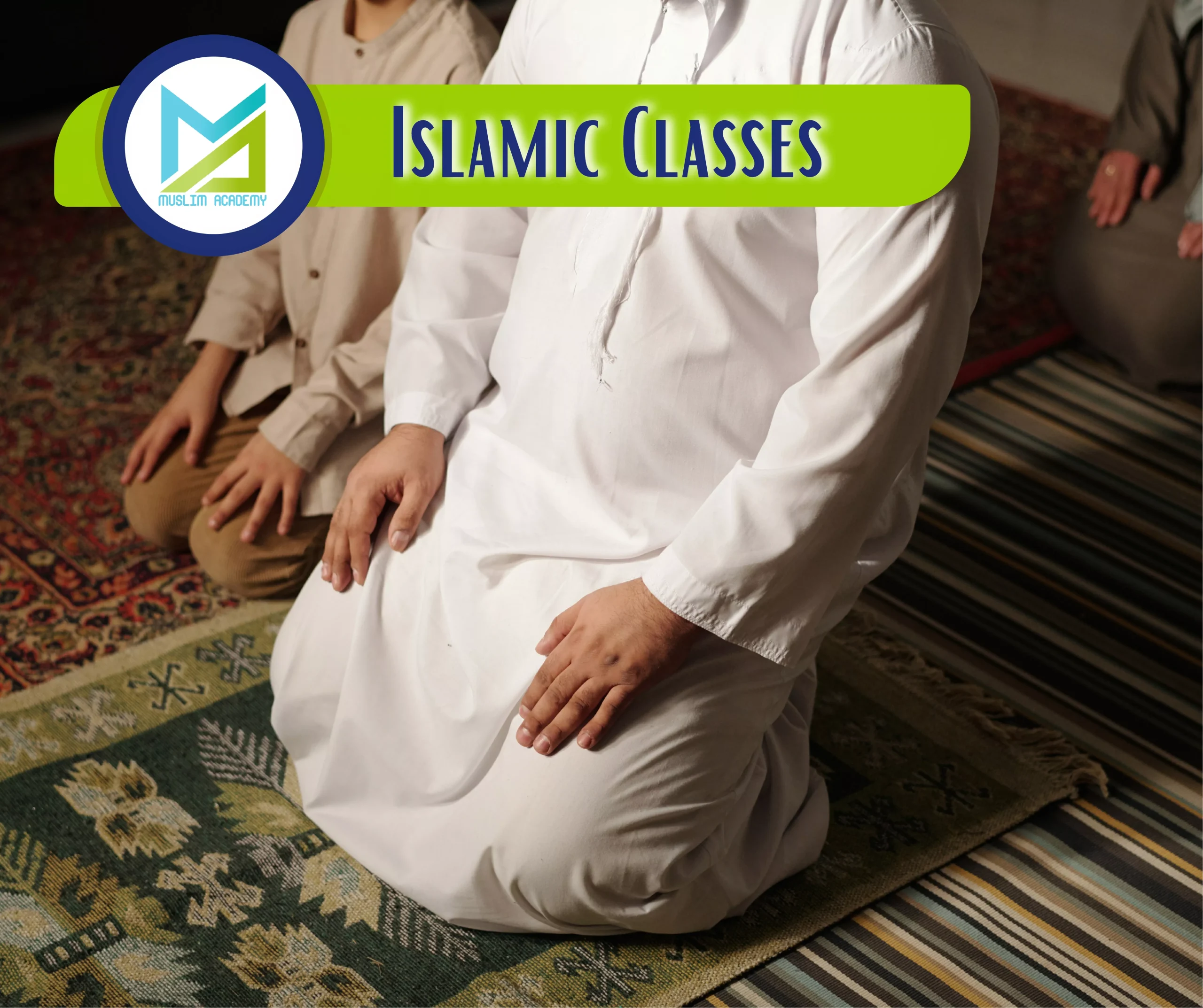
The quest for knowledge and spiritual understanding has always held a central place in Islamic tradition. Throughout history, Muslims and non-Muslims alike have sought to deepen their comprehension of Islamic teachings, practices, and civilization. In contemporary society, this pursuit continues to flourish through various educational formats and delivery methods. Islamic Classes with Muslim Academy have become an integral part of how communities transmit religious knowledge, support spiritual development, and foster understanding across different populations.
The Historical Significance of Islamic Education
Education holds profound importance in Islamic tradition. The very first word revealed in the Quran was “Read,” emphasizing the significance of knowledge acquisition and intellectual pursuits. Throughout Islamic history, scholars established sophisticated educational institutions where students gathered to learn from respected teachers, study classical texts, and engage in rigorous intellectual discourse. These gatherings became centers of learning that influenced not only religious understanding but also contributed to advances in mathematics, astronomy, medicine, philosophy, and numerous other fields.
The traditional model of Islamic education involved students gathering at mosques, madrasas, and private residences to study under knowledgeable teachers. Teachers would transmit knowledge through direct instruction, answer questions, facilitate discussions, and mentor students in their intellectual and spiritual development. This model emphasized the importance of the teacher-student relationship and the transmission of knowledge through personal connection and mentorship.
While the fundamental principles of Islamic education remain constant, the methods and contexts through which knowledge is transmitted have evolved considerably. Modern societies have seen the development of diverse educational formats designed to accommodate different learning styles, schedules, and accessibility needs. Understanding these contemporary approaches to Islamic education helps us appreciate how traditional values are being preserved and adapted for modern contexts.
Understanding the Scope of Islamic Learning
Islamic education encompasses far more than memorization of religious texts or rote learning of practices. Genuine Islamic learning involves developing a comprehensive understanding of religious principles, their theological foundations, their historical development, and their practical applications in daily life. This multifaceted approach ensures that learners gain both intellectual knowledge and practical wisdom.
Islamic education includes studying the Quran, which Muslims consider the revealed word of God. Learning involves not merely reading the text but understanding its language, context, historical circumstances of revelation, and various interpretations developed by scholars across centuries. Students learn how to approach the Quran with respect and proper methodology, recognizing that this study represents a spiritual practice as much as an intellectual one.
The study of hadith, which refers to recorded sayings, actions, and approvals of the Prophet Muhammad, represents another crucial component of Islamic education. Scholars have developed sophisticated methodologies for authenticating hadith reports, understanding their contexts, and deriving legal and ethical principles from them. Learning about hadith involves understanding not only what was reported but also the historical development of hadith sciences and how different Islamic schools approach these traditions.
Islamic jurisprudence, known as fiqh, involves the study of Islamic law and how legal principles derive from Quranic verses, hadith reports, and principles of legal reasoning developed by scholars. Different schools of Islamic jurisprudence exist, reflecting legitimate differences in how scholars have applied fundamental principles to specific situations across different times and places. Learning about Islamic law helps individuals understand how Islamic teachings address practical matters affecting daily life, from personal hygiene to business ethics, from family relations to governance issues.
Islamic theology and philosophy represent another dimension of Islamic learning. Throughout history, Muslim scholars have engaged with fundamental questions about divine nature, human free will, divine justice, and the relationship between reason and revelation. Understanding these intellectual traditions helps learners appreciate the depth of Islamic thought and how Muslim thinkers have grappled with profound philosophical questions.
Formats and Methods of Islamic Education Today
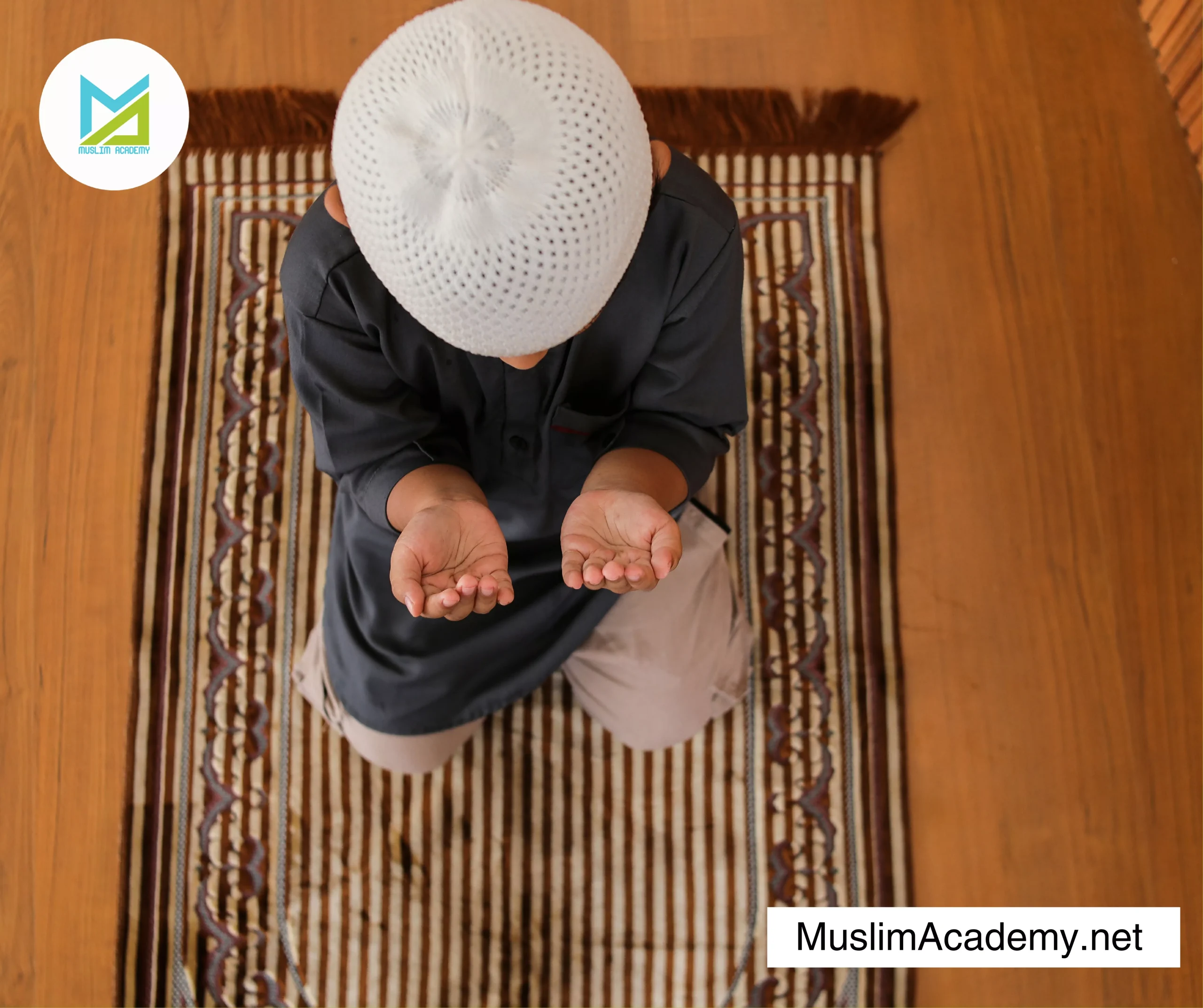
Contemporary Islamic education takes many forms, reflecting diverse learning preferences and practical circumstances. Traditional mosque-based classes remain prevalent in communities worldwide. These may include weekly study circles where community members gather to learn from knowledgeable instructors. Ramadan intensifies Islamic educational activities, with many mosques offering evening classes alongside the additional prayers performed during this holy month. Some mosques maintain weekend schools where children receive systematic instruction in Islamic teachings, Quranic recitation, and Islamic ethics.
Online education represents an increasingly significant format for Islamic learning. Digital platforms offer unprecedented flexibility, allowing students to access instruction from renowned scholars regardless of geographic location. Online classes range from recorded lectures that students can watch at their convenience to live webinars where participants interact with instructors in real time. Some platforms offer structured courses with assigned readings, discussion forums, and assessment mechanisms similar to traditional academic settings. Others provide more informal tutorial sessions where individuals can ask questions and receive guidance on specific topics.
University-level religious studies programs represent another avenue for Islamic education. These academic programs approach Islamic studies through scholarly methodologies, emphasizing critical analysis, historical contextualization, and comparative perspectives. While university programs differ from devotional religious instruction, they provide opportunities for systematic engagement with Islamic intellectual traditions and contemporary scholarship about Islam.
Private tutoring and mentorship continue to play important roles in Islamic education. Individual students may work with knowledgeable teachers for personalized instruction tailored to their specific interests and needs. This format allows for deeper exploration of particular topics and the development of close mentoring relationships that can significantly influence students’ intellectual and spiritual development.
The Content of Islamic Classes with Muslim Academy
Islamic educational programs typically include instruction in Quranic studies, where students learn proper recitation techniques, memorization practices, and methods for understanding the Quranic text. Many programs include training in tajweed, which refers to the proper pronunciation and manner of reciting the Quran. This practice requires attention to rules governing how letters are articulated, how long vowels are held, and how words connect to create smooth, proper recitation.
Islamic history courses explore how Muslim societies developed across different regions and historical periods. Students learn about the early Islamic period, the development of major Islamic empires, the intellectual flowering that occurred during various periods, and the challenges Muslim communities have faced across history. This historical understanding contextualizes Islamic teachings within human experience and demonstrates the diverse ways Islamic principles have been understood and applied.
Islamic ethics and morality classes address how Islamic teachings inform approaches to virtue, character development, and ethical decision-making. These courses often examine specific ethical issues relevant to contemporary society, helping students understand Islamic perspectives on matters like environmental responsibility, social justice, commercial ethics, and family relations.
Islamic law and jurisprudence classes help students understand how Islamic legal principles address practical matters. Courses might cover personal law, commercial transactions, criminal justice principles, or governance issues. Students learn how different Islamic schools have addressed specific questions and the reasoning underlying various legal opinions.
Islamic theology classes explore foundational concepts like the nature of God, divine attributes, human responsibility, and the relationship between divine will and human agency. These courses help students understand how Muslim thinkers have addressed profound theological questions and appreciate the intellectual sophistication of Islamic theological tradition.

Benefits of Structured Islamic Education
Participating in organized Islamic Classes with Muslim Academy offers numerous benefits beyond simple knowledge acquisition. Structured learning ensures that students develop a comprehensive understanding rather than fragmented knowledge of isolated topics. A well-designed curriculum presents material in logical sequence, building foundational knowledge before addressing more complex concepts.
Community aspects of many Islamic Classes with Muslim Academy foster social connections and shared identity. Study circles and classroom settings create opportunities for Muslims to connect with others in their faith communities, develop friendships, and participate in shared spiritual pursuits. This communal dimension supports psychological and spiritual well-being while strengthening community bonds.
Access to qualified instructors ensures that students receive accurate information and sound guidance. Knowledgeable teachers can clarify confusion, address misconceptions, and help students understand complex concepts. The presence of experienced instructors also helps maintain quality standards and ensures that teaching reflects established scholarly consensus or, when discussing differing scholarly opinions, presents multiple perspectives fairly.
Structured assessment mechanisms help students verify that they have
genuinely understood material rather than merely engaging in passive
reception of information. Whether through quizzes, essays, discussions, or
other evaluation methods, assessment encourages active engagement with
course content and helps identify areas requiring further study.
Accessibility and Inclusivity in Islamic Education
Modern Islamic educational approaches increasingly emphasize accessibility
and inclusivity. Programs are developing to serve diverse populations,
including recent converts to Islam, second-generation Muslims seeking a
deeper connection to their tradition, non-Muslim students interested in
understanding Islam, children and adolescents, adults, alternative individuals,
and people with various disabilities. Educational programs are being adapted
to address language barriers, varying literacy levels, different learning styles,
and diverse educational backgrounds.
Women’s participation in Islamic education has expanded significantly in recent
decades, with many programs offering classes specifically designed for women
and ensuring that women scholars serve as instructors. This development
reflects Islamic principles emphasizing knowledge-seeking for all believers and
recognizes women’s important roles as educators, spiritual guides, and community leaders.
Conclusion
The landscape of Islamic education continues evolving in response to
contemporary needs and opportunities while maintaining a connection to
centuries-old traditions emphasizing the importance of knowledge and
spiritual development. Whether through traditional mosque-based classes,
online platforms, university programs, or individual study with mentors,
Opportunities abound for individuals seeking to deepen their understanding of
Islamic teachings, history, and practice. These educational pathways serve not
only individual spiritual and intellectual development but also strengthen
communities by ensuring the transmission of knowledge to new generations
and fostering deeper understanding across different populations.
The emphasis on accessible, quality Islamic education reflects an enduring
commitment to values that have long defined Islamic civilization and continue
to guide contemporary Muslim communities in their efforts to preserve,
understand and apply Islamic teachings in modern contexts.