Start Online Quran Classes with Muslim Academy
https://muslimacademy.net/index.php/free-trial/
The practice of delivering Khutbahs with Muslim Academy represents one of Islam’s most enduring and essential communal traditions, serving as the primary vehicle for religious instruction, spiritual guidance, community announcements, and collective reflection that brings Muslims together weekly and during special occasions. These formal sermons, delivered from mosque pulpits on Fridays and during the two major Islamic celebrations, constitute far more than routine religious rituals—they function as educational platforms addressing contemporary challenges, spiritual development tools cultivating moral consciousness, social cohesion mechanisms strengthening community bonds, and leadership forums where religious authorities guide believers through the complexities of maintaining Islamic identity within diverse cultural contexts. Understanding the historical development, structural requirements, thematic content, and contemporary evolution of Islamic sermons provides insight into how this ancient tradition continues adapting to serve modern Muslim communities while preserving the core elements that have characterized this practice since Islam’s earliest days.
Historical Origins and Prophetic Precedent
The tradition of delivering formal religious sermons in Islam traces directly to Prophet Muhammad’s own practice of addressing the Muslim community during Friday congregational prayers and on special occasions. These prophetic sermons established precedents that subsequent generations would formalize into the structured requirements governing contemporary Islamic preaching. The Prophet’s Friday addresses combined spiritual exhortation with practical guidance, theological instruction with contemporary community affairs, and devotional reminders with ethical directives—creating a comprehensive communication format serving multiple purposes simultaneously.
Historical records preserve examples of particularly significant prophetic sermons that have shaped Islamic understanding and practice permanently. The Farewell Sermon delivered during the Prophet’s final pilgrimage stands as perhaps the most famous example, encapsulating fundamental Islamic principles including racial equality, women’s rights, property sanctity, and ethical conduct in a comprehensive address witnessed by thousands of companions. This sermon’s content became foundational for Islamic jurisprudence and social ethics, demonstrating how sermons function not merely as a weekly routine but as vehicles for establishing permanent religious and social principles.
The early caliphs and companions maintained the prophetic tradition of Friday preaching, adapting sermon content to address the rapidly expanding Muslim community’s evolving needs. As Islam spread across diverse geographical and cultural contexts, the sermon tradition traveled with it, becoming central to Muslim community life wherever mosques were established and congregational prayers organized. This universalization of the sermon tradition ensured that Muslims from Morocco to Indonesia, despite vast cultural differences, shared common ritual experiences centered around weekly religious discourse delivered in standardized formats recognizable across the global Muslim community.
Structural Requirements and Formal Elements
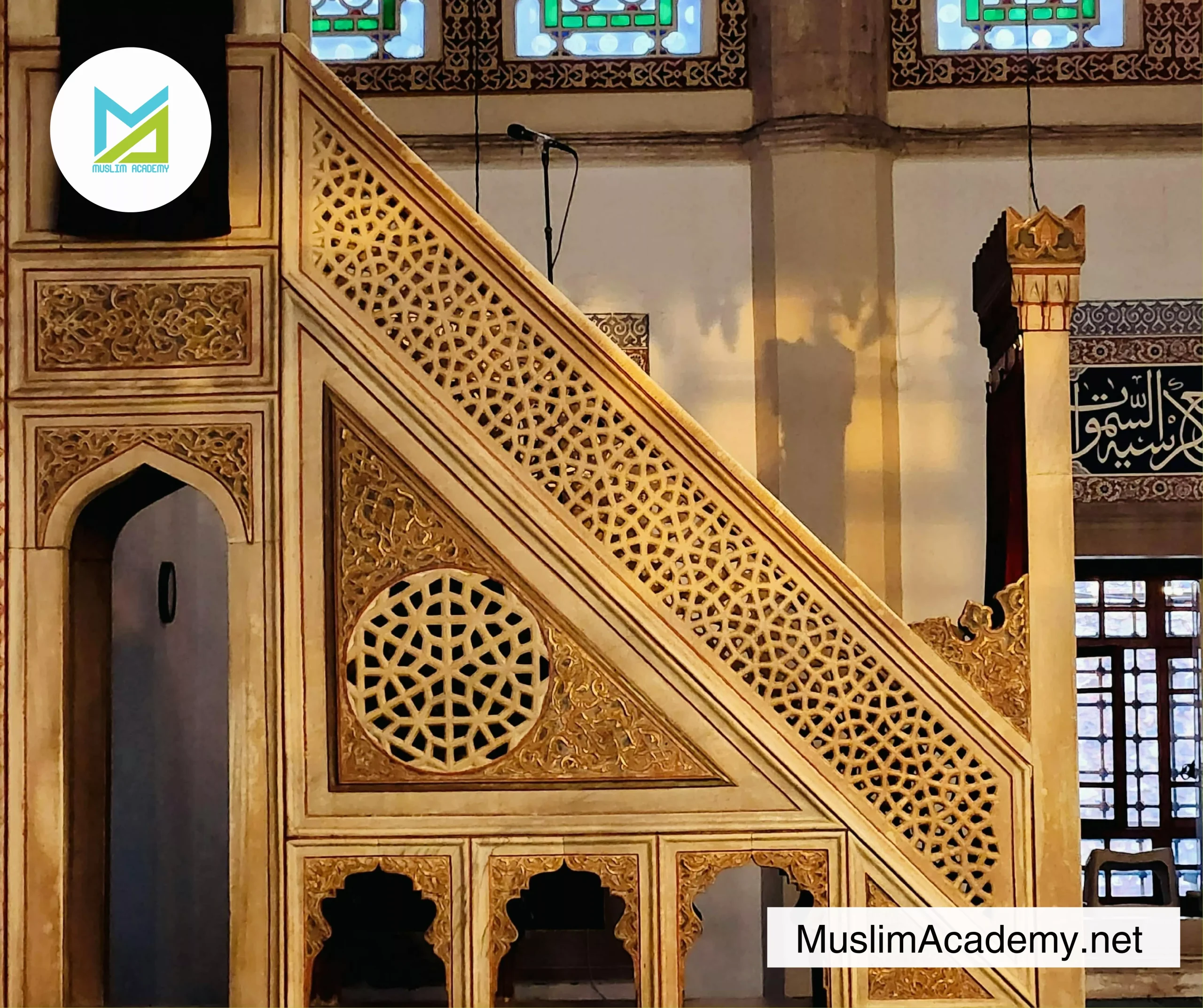
Islamic jurisprudence establishes specific requirements governing how Khutbahs with Muslim Academy must be structured and delivered to fulfill religious validity. These formal elements, while admitting some variation across different Islamic legal schools, generally follow consistent patterns recognizable to Muslims worldwide. The Friday sermon traditionally consists of two distinct parts separated by a brief interval during which the preacher sits quietly on the pulpit steps before resuming for the second segment.
The opening typically begins with praising Allah through specific Arabic phrases, followed by testifying to divine unity and Muhammad’s prophethood—the fundamental declarations of Islamic faith. These opening formulas, transmitted through centuries of practice, establish the sermon’s religious character while connecting contemporary preaching to the prophetic model that initiated this tradition. Following these preliminaries, the preacher typically recites Quranic verses relevant to the sermon’s theme, grounding the discourse in divine revelation rather than merely human opinion.
The first sermon segment addresses the main topic through explanation, exhortation, or instruction, drawing upon Quranic verses, prophetic traditions, scholarly interpretations, and sometimes contemporary examples illustrating eternal principles in modern contexts. This substantive section constitutes the sermon’s core content, where preachers exercise creativity and scholarly knowledge, addressing their communities’ spiritual and practical needs while remaining faithful to authentic Islamic teachings.
After sitting briefly, the preacher delivers the second, shorter segment focusing primarily on supplication for the Muslim community globally and locally, invoking divine blessings on believers, requesting guidance and strength, and sometimes including prayers for specific contemporary situations requiring divine assistance. This supplicatory conclusion emphasizes the sermon’s devotional dimension beyond its instructional function, reminding congregants that human wisdom requires divine guidance and that community wellbeing depends ultimately on Allah’s mercy and protection.
Length considerations vary based on cultural norms and practical circumstances, though Islamic legal principles generally recommend moderation—sermons should be substantial enough to provide meaningful content but concise enough to maintain attention without unnecessarily burdening congregants. The Prophet reportedly emphasized brevity, teaching that excessively long sermons indicate deficient understanding, as truly wise speakers communicate essential messages efficiently rather than prolonging discourse unnecessarily.
Thematic Content and Educational Functions
The content selection for Islamic sermons spans extraordinarily diverse topics, addressing both timeless spiritual themes and contemporary issues requiring a religious perspective. Classical sermon topics include faith foundations, worship requirements, moral virtues, family ethics, social responsibilities, economic justice, and eschatological realities—perennial themes that remain perpetually relevant regardless of temporal or cultural context. Preachers draw upon a rich Islamic textual heritage, including the Quran, Hadith, scholarly commentaries, and spiritual literature, to illuminate these eternal topics with depth and authenticity.
Contemporary Khutbahs with Muslim Academy increasingly address modern challenges that Muslims face, navigating pluralistic societies, technological disruptions, economic pressures, political conflicts, and cultural tensions. Skilled preachers connect timeless Islamic principles to current situations, demonstrating how fourteen-century-old revelation remains relevant for twenty-first-century life. Topics might include social media ethics from Islamic perspectives, environmental stewardship as a religious obligation, mental health through a spiritual lens, or maintaining Islamic identity while participating constructively in diverse democratic societies.
Seasonal variations influence sermon themes, with specific occasions prompting relevant content. During Ramadan, sermons emphasize fasting’s spiritual dimensions, self-purification, charity, and Quranic engagement. The Hajj season brings focus to pilgrimage significance, sacrifice meaning, and global Muslim unity. Islamic months commemorating historical events—Prophet’s migration, night journey, or birth—inspire sermons exploring these narratives’ lessons. This liturgical calendar creates predictable thematic rhythms while allowing creativity in how preachers approach familiar topics from fresh perspectives.
Educational functions extend beyond religious instruction to include community announcements, social service information, and sometimes political guidance when religious authorities believe Islamic principles require particular stances on contemporary issues. This multifunctional character makes sermons central to community communication, particularly in contexts where mosques serve as primary social institutions for Muslim populations lacking other comprehensive communal infrastructure.
The Preacher’s Qualifications and Responsibilities
Delivering effective Islamic sermons requires substantial qualifications combining religious knowledge, communication skills, cultural awareness, and spiritual authority. Traditional Islamic scholarship emphasized that preachers should possess a comprehensive understanding of Quranic interpretation, prophetic traditions, Islamic jurisprudence, and theological principles—the foundational sciences enabling accurate presentation of authentic Islamic teachings rather than personal opinions masquerading as religious guidance.
Beyond scholarly credentials, effective preachers require rhetorical abilities communicating complex ideas accessibly, emotional intelligence in reading congregational needs, and cultural competence addressing diverse audiences whose members bring varied educational backgrounds, linguistic capabilities, and cultural assumptions to their sermon listening. The challenge of speaking meaningfully to audiences, including scholars and lay people, native Arabic speakers, and those understanding only translated summaries, alternative traditionalists, and young professionals, demands sophisticated communication skills that purely textual knowledge cannot provide.
Contemporary contexts add new requirements as Muslim communities become increasingly diverse, educated, and demanding regarding sermon quality. Congregants exposed to sophisticated media, professional presentations, and compelling speakers across various platforms expect competent delivery, relevant content, and authentic spiritual presence from their religious leaders. Preachers who recycle generic sermons, deliver with poor presentation skills, or fail to address contemporary realities risk losing congregational engagement and respect, potentially weakening the sermon tradition’s effectiveness.
The spiritual and moral responsibilities of sermon delivery prove equally important as technical qualifications. Islamic ethics emphasize that religious teachers must embody the virtues they preach, living according to the standards they advocate rather than hypocritically demanding from others what they ignore personally. Preachers hold positions of tremendous influence, shaping how communities understand Islam and practice faith, making their integrity essential for maintaining trust and credibility. Scandals involving religious leaders who violate the ethics they preach damage not only their personal reputations but the broader religious tradition they represent.
Gender Considerations and Women’s Participation
The question of women’s participation in sermon delivery represents one of contemporary Islam’s debated issues, with diverse positions reflecting different interpretations of religious texts, historical precedents, and contemporary circumstances. Traditional Islamic practice predominantly featured male preachers delivering Friday sermons to congregations that, when including women, typically segregated them in separate prayer spaces where they could hear but not necessarily see the preacher directly.
Historical examples exist of learned Muslim women teaching, issuing legal opinions, and addressing audiences on religious matters, though formal Friday sermon delivery remained predominantly a male domain throughout most Islamic history. Contemporary debates consider whether this historical pattern reflects essential religious requirements or cultural norms that religious principles don’t necessarily mandate. Progressive voices argue that women’s religious knowledge, communication skills, and community leadership capabilities should enable their participation in all religious educational roles, including sermon delivery, particularly for women-only gatherings where gender segregation concerns don’t apply.
Conservative positions maintain that Friday sermon delivery specifically
constitutes male responsibility based on their interpretation of the prophetic
precedents and classical scholarly consensus, though acknowledging women’s
authority in other teaching contexts. Moderate positions distinguish between
Friday congregational sermons—which some restrict to men, and others
religious teaching, including women’s gatherings, educational lectures, or
online content where female scholars increasingly contribute significantly to Islamic discourse.
Practically, women’s religious education and public speaking roles have
expanded dramatically in recent decades, with female Islamic scholars
delivering lectures, teaching classes, writing extensively, and contributing to
religious discourse through various platforms, even where formal Friday
Sermon delivery remains contested. This evolution reflects broader changes in
women’s education and public participation, while raising ongoing questions
about how Islamic traditions adapt to contemporary gender dynamics.
Contemporary Challenges and Evolution
Modern Khutbahs with Muslim Academy face numerous challenges requiring
thoughtful responses from religious communities and their leaders. Linguistic
Diversity in Muslim populations means that sermons delivered entirely in
Arabic—while maintaining traditional authenticity—may not reach congregants
who understand little or no Arabic, creating comprehension gaps that
undermine sermons’ educational and inspirational purposes. Many mosques
address this through bilingual sermons combining Arabic elements with
vernacular explanations, though debates continue about appropriate balances
between traditional linguistic preservation and contemporary accessibility.
Relevance concerns arise when sermons recycle generic topics without
addressing actual challenges that congregants face in their daily lives. Young
professionals navigating competitive workplaces, parents raising children in
pluralistic environments, students confronting secular educational settings,
And individuals managing complex modern relationships need religious
guidance addressing their specific situations rather than abstract exhortations
disconnected from lived realities. Effective contemporary preaching requires
understanding congregational demographics and crafting content meeting their actual rather than assumed needs.
The rise of digital media transforms sermon consumption patterns,
As recorded sermons circulate widely online, enabling Muslims to access
teaching from preachers worldwide rather than limiting themselves to local
mosque offerings. This democratization provides unprecedented access to
diverse Islamic perspectives while potentially fragmenting community cohesion
When congregants connect more strongly with distant online teachers than
local religious leaders. The challenge becomes maintaining the sermon
tradition’s community-building function while acknowledging that information access has fundamentally changed.
Political pressures in various contexts create tensions between religious
authenticity and governmental expectations, particularly where authorities
monitor religious discourse for content they consider threatening or seek to
Instrumentalize mosques for political messaging. Preachers must navigate
between authentic religious teaching and avoiding persecution or mosque
closure, while maintaining congregational trust that they speak religious truth
rather than political propaganda, regardless of its source.
Conclusion
The enduring tradition of Islamic sermon delivery continues to serve Muslims
communities as a vital institution for religious education, spiritual
development, social cohesion, and ethical guidance despite contemporary
challenges requiring thoughtful adaptation. From prophetic origins through
classical development to modern evolution, sermons have maintained a central
importance in Muslim religious life while demonstrating remarkable
adaptability to changing circumstances and diverse contexts. As Muslim
communities continue evolving demographically, culturally, and
Technologically, the sermon tradition will likely undergo further developments
Some communities are embracing innovative approaches, while others
emphasizing traditional preservation—ensuring that this ancient practice
remains vibrant and relevant for contemporary believers seeking authentic
Islamic guidance, navigating complex modern realities while maintaining
connection to faith’s foundational sources and fourteen centuries of accumulated wisdom.