
Start Online Quran Classes with Muslim Academy
https://muslimacademy.net/index.php/free-trial/
The emergence of Learn Quran Online Academy with Muslim Academy represents a transformative development in how Muslims worldwide access comprehensive Islamic education, combining traditional teaching wisdom with cutting-edge digital technology to create exceptional learning experiences. This innovative institution breaks geographical barriers and time constraints that historically limited access to quality Quranic instruction, enabling students from diverse locations and circumstances to engage with qualified teachers and authentic Islamic content through convenient, effective online platforms that preserve the essential human connections and spiritual dimensions of religious learning.
The Digital Transformation of Islamic Education
Learn Quran Online Academy with Muslim Academy was established to address the growing global demand for accessible, high-quality Islamic education that accommodates contemporary lifestyle demands while maintaining rigorous academic standards and authentic religious content. Muslims living in remote areas, non-Muslim majority countries, or regions with limited Islamic educational infrastructure can now access the same caliber of instruction previously available only to those fortunate enough to live near prestigious Islamic institutions or established Muslim communities with abundant local resources.
The digital format offers unprecedented flexibility that serves diverse student populations, including busy professionals seeking spiritual growth, parents balancing family responsibilities with educational goals, students pursuing dual academic tracks, older people learners approaching religious study later in life, and recent converts requiring foundational knowledge to support their faith journeys and community integration. This accessibility democratizes Islamic education, transforming it from a privilege available to a few into an opportunity accessible to all who seek spiritual development and religious understanding.
Modern technology enables Learn Quran Online Academy with Muslim Academy, to provide personalized instruction that adapts to individual learning paces, preferences, and objectives while maintaining the mentorship relationships and community connections that have always characterized excellent Islamic education. One-on-one sessions eliminate classroom distractions, enabling complete instructor focus on individual student needs, while group classes foster collaborative learning and social connections among participants who share similar educational goals and spiritual aspirations despite geographical separation.
The pandemic period accelerated the adoption of online learning across all educational sectors, demonstrating that digital instruction can effectively deliver quality education when properly designed and implemented. Learn Quran Online Academy with Muslim Academy benefited from these technological advances and growing comfort with virtual learning environments, positioning online Islamic education as a mainstream option rather than an inferior alternative to traditional classroom instruction.
Comprehensive Curriculum and Educational Excellence
Learn Quran Online Academy with Muslim Academy offers structured learning pathways encompassing all essential aspects of Quranic education through carefully designed programs that build skills progressively while maintaining student engagement. Beginning courses establish solid foundations through Arabic alphabet recognition, proper pronunciation techniques, basic grammar principles, and essential vocabulary that enable students to engage meaningfully with the Quranic text from the earliest learning stages.
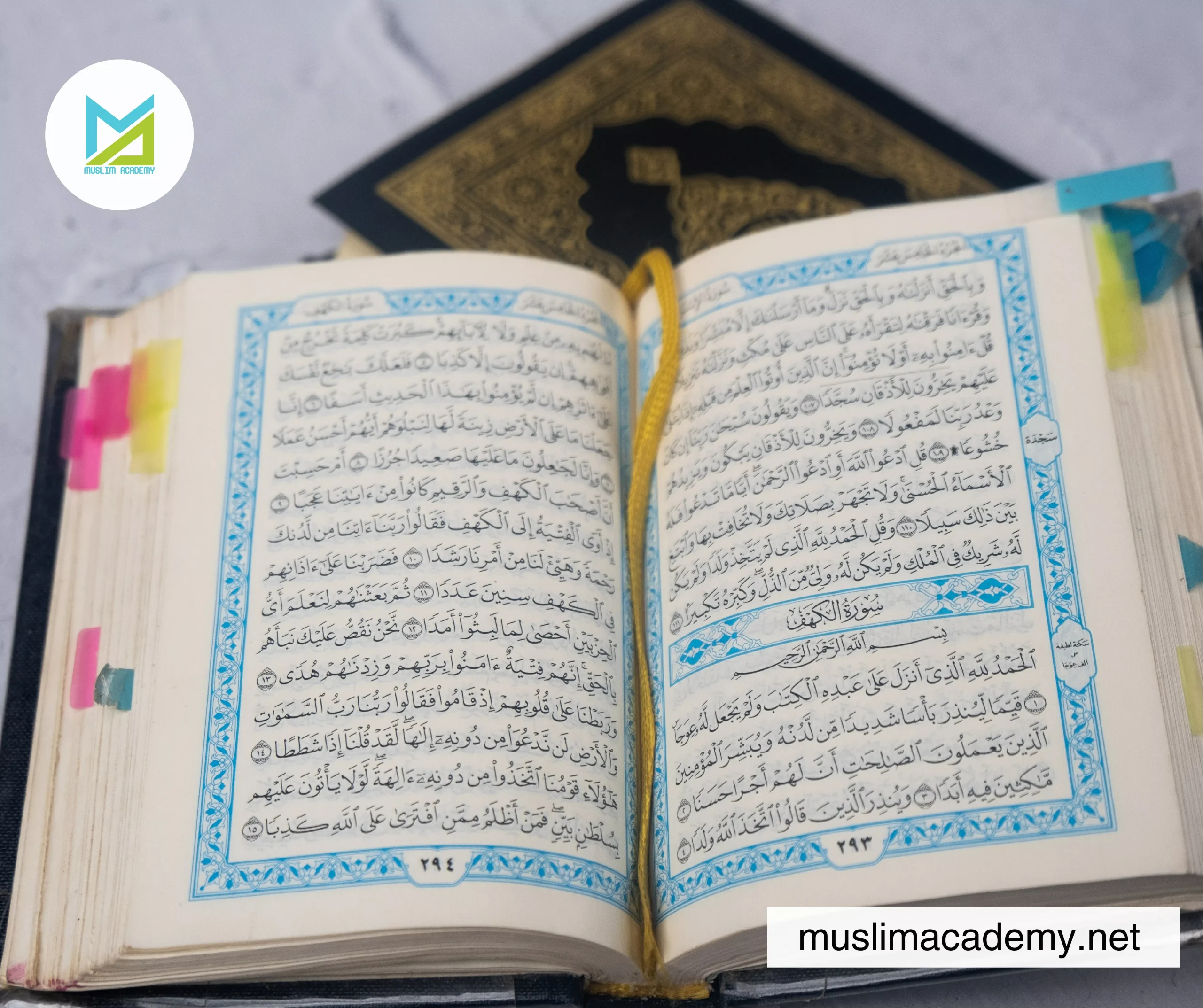
Tajweed instruction teaches precise recitation rules, ensuring accurate pronunciation and beautiful melodic delivery of divine verses. These specialized skills require sustained practice and expert guidance, as proper articulation proves essential for preserving textual meanings while enhancing the spiritual impact of recitation. Students learn various pronunciation techniques, including sound elongation, pause placement, and rhythmic patterns that characterize authentic Quranic recitation traditions.
Arabic language components provide grammatical understanding, vocabulary development, and morphological analysis, enabling progressive independence in textual comprehension. Lessons often teach Arabic specifically through Quranic examples, creating natural connections between linguistic concepts and meaningful religious content that enhances both language retention and spiritual engagement with divine revelation.
Tafseer studies explore verse meanings, historical contexts, and scholarly interpretations across different Islamic traditions. These analytical components help students understand not only what the Quran communicates but also why specific verses were revealed, how they’ve been understood throughout Islamic history, and how they apply to contemporary situations and moral challenges that Muslims encounter in modern life.
Memorization programs provide systematic approaches to retaining Quranic passages while maintaining comprehension alongside retention. Learn Quran Online Academy with Muslim Academy teaches effective memory techniques adapted for online learning environments, breaking challenging memorization tasks into manageable segments while emphasizing understanding of memorized material to ensure retention enhances rather than replaces genuine comprehension and spiritual connection.
Advanced Technology and Learning Platforms
Learn Quran Online Academy with Muslim Academy incorporates sophisticated technological features designed to maximize educational effectiveness while preserving personal relationships and spiritual mentorship central to authentic Islamic education. High-definition video conferencing enables detailed observation of pronunciation techniques, facial expressions, and teaching demonstrations that facilitate accurate learning while maintaining meaningful connections between instructors and students despite physical distances.
Interactive digital whiteboards allow teachers to display Arabic text in various scripts, create grammatical diagrams, show morphological patterns, and develop visual aids that enhance comprehension while enabling real-time student participation through shared digital workspaces. These collaborative tools maintain the interactive nature of traditional instruction while adding technological enhancements that improve learning efficiency and retention.
Learning management systems provide comprehensive educational environments, including assignment submission portals, automated progress tracking, digital resource libraries, discussion forums, and communication tools, helping students stay organized while giving instructors detailed insights into individual learning patterns and class performance metrics that inform instructional decisions and personalized support.
Artificial intelligence integration offers personalized learning experiences through adaptive content delivery, automated pronunciation assessment using voice recognition technology, intelligent tutoring systems identifying learning gaps, and customized study recommendations based on individual progress patterns. These technological enhancements supplement human instruction without replacing essential mentorship relationships that remain fundamental to Islamic education.
Mobile optimization ensures seamless access across different devices, enabling students to continue learning using smartphones, tablets, or computers while maintaining consistent user experiences and full functionality. This flexibility supports continuous progress during travel, commutes, or situations where traditional desktop access may be limited, accommodating modern lifestyles and study preferences.
Qualified Instructors and Teaching Excellence
The quality of instruction at Learn Quran Online Academy with Muslim Academy reflects rigorous faculty selection processes evaluating religious credentials, linguistic competencies, pedagogical skills, and technological proficiencies. Instructors typically possess comprehensive Islamic education, including Quranic memorization, advanced Arabic proficiency, theological knowledge, and understanding of jurisprudence and scholarly traditions that ensure authentic knowledge transmission and scholarly credibility.
Teaching methodology training helps instructors adapt traditional Islamic education approaches to online environments while maintaining authentic content and spiritual mentorship relationships. This specialized preparation addresses unique challenges of remote instruction, including student engagement maintenance, effective feedback delivery, and meaningful learning community creation through digital mediums that may initially seem less personal than face-to-face interaction.
Cultural competency development prepares instructors to serve diverse international student populations effectively, understanding different educational backgrounds, communication styles, and learning expectations while maintaining consistent educational quality and authentic Islamic content. Learn Quran Online Academy with Muslim Academy employs teachers from various cultural backgrounds who relate effectively to students from different countries and traditions while preserving religious accuracy and pedagogical standards.
Ongoing professional development keeps instructors current with both Islamic scholarship advances and educational technology innovations through regular training opportunities, collaborative learning experiences, and research engagement that enhances teaching effectiveness while deepening religious knowledge and refining instructional capabilities that benefit all students.

Student Support Services and Community Building
Comprehensive support systems extend beyond formal instruction to address academic challenges, technical difficulties, personal guidance needs, and community connection opportunities that enhance educational success and spiritual development. Academic counseling helps students set realistic goals, develop effective study strategies, overcome learning obstacles, and maintain motivation through personalized guidance considering individual circumstances and learning preferences.
Technical support infrastructure ensures students focus on learning rather than struggling with technological issues. Responsive help desk services, comprehensive tutorials, troubleshooting resources, and user-friendly platform design address connectivity problems and software difficulties promptly while maintaining professional service that values student time and educational investment.
Virtual community building fosters meaningful connections through online study groups, peer mentoring programs, collaborative projects, discussion forums, and virtual events connecting students with others sharing similar educational goals and spiritual aspirations. These digital communities provide mutual support, cultural exchange, and lasting friendships that enrich educational experiences while strengthening global Muslim connections.
Learn Quran Online Academy with Muslim Academy implements mentorship programs pairing experienced students with newcomers, creating supportive relationships, providing practical advice, encouragement during challenging periods, and insights into effective learning strategies that accelerate progress while building cohesive learning communities transcending geographical boundaries.
Global Accessibility and Cultural Sensitivity
International reach requires careful attention to cultural diversity, linguistic variations, and educational adaptations serving students from different backgrounds while maintaining authentic Islamic content and rigorous standards. Multilingual support enables students to access instructional materials, technical assistance, and administrative services in preferred languages while developing Arabic proficiency and Islamic knowledge through structured instruction.
Time zone accommodation addresses challenges of serving global populations through flexible scheduling options, recorded content for asynchronous learning, and instructor availability spanning different geographical regions, ensuring adequate support and educational continuity for students worldwide, regardless of their local time zones.
Economic accessibility initiatives ensure high-quality Islamic education remains available regardless of financial circumstances through scholarship programs, sliding fee scales, flexible payment plans, and subsidized courses, removing economic barriers while maintaining sustainable operations and fair instructor compensation that attracts qualified professionals.
Assessment and Progress Tracking
Effective evaluation approaches balance objective measurement with recognition of personal growth and spiritual development. Comprehensive assessment strategies include pronunciation evaluations through recorded recitations, comprehension examinations, memorization verifications, and practical applications demonstrating integrated learning across different skill areas and religious understanding.
Progress tracking systems provide visual representations of advancement through interactive dashboards showing completed lessons, mastery levels, and improvement trends. These tools help students maintain motivation while providing instructors with data necessary for personalized instruction and curriculum adjustments, optimizing learning effectiveness and student satisfaction.
Conclusion
Learn Quran Online Academy with Muslim Academy represents the future of accessible, high-quality Islamic education serving diverse global Muslim communities while maintaining authentic religious content and traditional teaching excellence. Through comprehensive curricula, qualified instruction, advanced technology, and commitment to student success, the academy provides transformative educational experiences that strengthen faith while developing knowledge and skills serving students throughout their lives. As online Islamic education continues evolving, Learn Quran Online Academy with Muslim Academy remains at the forefront of innovation while preserving essential spiritual dimensions that define authentic religious learning.