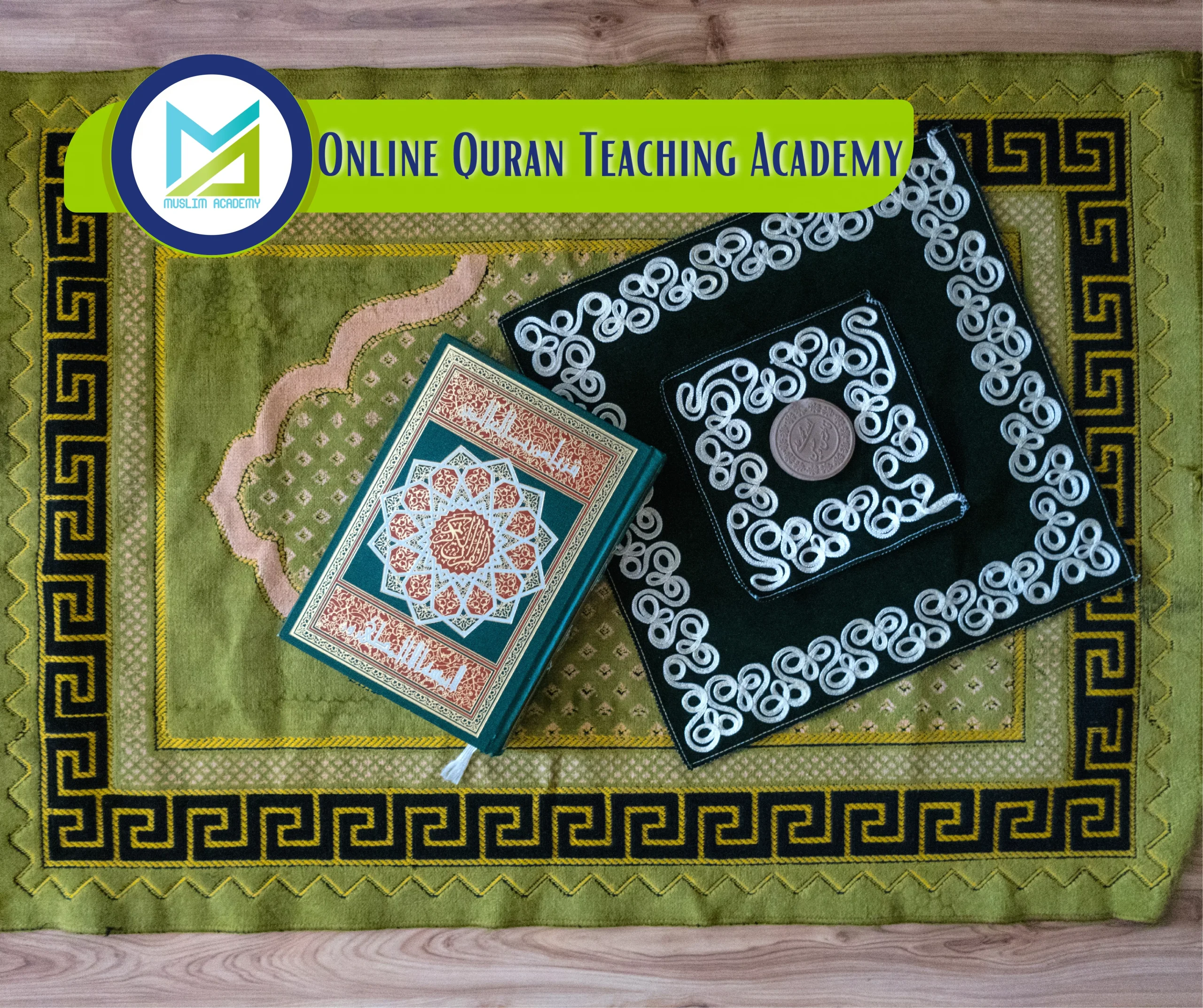
Start Online Quran Classes with Muslim Academy
https://muslimacademy.net/index.php/free-trial/
In an era where digital transformation has revolutionized education across all disciplines, Islamic learning has also embraced technological advancement through the emergence of specialized platforms. An Online Quran Teaching Academy with Muslim Academy represents a significant milestone in making Quranic education accessible to millions of Muslims worldwide, regardless of their geographical location or time constraints. These digital platforms have become instrumental in preserving and propagating the sacred knowledge of the Quran while adapting to the modern world’s demands.
The Evolution of Quranic Education
Traditional Quranic education has historically taken place in mosques, madrasas, and Islamic schools where students would gather physically to learn from qualified teachers. While this classical approach remains valuable, the challenges of modern life often make it difficult for many Muslims to access quality Quranic education. Factors such as limited availability of qualified teachers in certain regions, busy work schedules, family obligations, and geographical barriers have created gaps in Islamic learning opportunities.
The concept of an Online Quran Teaching Academy with Muslim Academy emerged as a solution to bridge these educational gaps. By leveraging internet technology, video conferencing, and digital learning tools, these academies have made it possible for students from diverse backgrounds and locations to access authentic Quranic education. This transformation represents not just a change in delivery method, but a complete reimagining of how Islamic knowledge can be shared and preserved in the 21st century.
Comprehensive Learning Structure
A well-established Online Quran Teaching Academy with Muslim Academy typically offers a comprehensive curriculum that addresses various aspects of Quranic studies. The foundation of such programs usually begins with Arabic alphabet recognition and pronunciation, gradually progressing to proper Tajweed rules, which govern the correct recitation of the Quran. Students learn the intricate art of pronunciation, including proper articulation points, elongation rules, and rhythmic patterns that have been preserved through centuries of oral tradition.
Beyond basic recitation, these academies often provide courses in Quranic translation and interpretation (Tafsir), allowing students to understand the deeper meanings and contexts of the verses they recite. This comprehensive approach ensures that learners not only develop the ability to recite the Quran correctly but also gain insights into its profound teachings and wisdom. Many academies also incorporate Islamic studies, covering topics such as Islamic history, jurisprudence (Fiqh), and the life of the Prophet Muhammad (peace be upon him).
The structured learning environment of an Online Quran Teaching Academy with Muslim Academy allows for personalized pace adjustment, enabling students to progress according to their capabilities and circumstances. This flexibility is particularly beneficial for adult learners who may be balancing their studies with professional and family responsibilities.

Technological Innovation in Islamic Education
Modern Online Quran Teaching Academy, with Muslim Academy platforms, utilizes cutting-edge technology to create immersive and effective learning experiences. High-definition video conferencing ensures clear visual and audio communication between teachers and students, which is crucial for proper pronunciation guidance and correction. Interactive whiteboards allow instructors to demonstrate Arabic script writing and highlight specific verses or rules in real-time.
Many academies have developed specialized software applications that provide additional learning resources, including digital copies of the Quran with color-coded Tajweed rules, audio recitations by renowned Qaris (reciters), and progress tracking systems. These technological tools enhance the learning experience by providing multiple sensory inputs and allowing students to practice outside of scheduled lesson times.
Mobile applications have further expanded accessibility, enabling students to continue their studies while commuting, traveling, or during brief breaks in their daily schedules. The integration of artificial intelligence in some platforms helps identify common pronunciation errors and provides automated feedback, supplementing the guidance provided by human instructors.
Qualified Instruction and Authentic Learning
The success of any Online Quran Teaching Academy with Muslim Academy largely depends on the quality of its instructors. Reputable academies employ certified teachers who have completed extensive Islamic education and possess proper Ijazah (certification) in Quranic recitation and related sciences. These qualified instructors bring years of traditional training combined with modern teaching methodologies to create effective online learning experiences.
The selection process for instructors typically involves rigorous evaluation of their Quranic knowledge, teaching abilities, and familiarity with digital teaching tools. Many academies provide ongoing professional development to ensure their teachers remain current with both Islamic scholarship and educational technology advances.
The authentic transmission of Quranic knowledge remains paramount in online settings. Teachers emphasize the importance of maintaining the traditional chain of learning (Sanad) while adapting delivery methods to digital formats. This balance ensures that students receive a genuine Islamic education that adheres to established scholarly traditions.
Global Accessibility and Cultural Sensitivity
One of the most significant advantages of an Online Quran Teaching Academy with Muslim Academy is its ability to serve students from diverse cultural and linguistic backgrounds worldwide. These platforms often offer instruction in multiple languages, making Quranic education accessible to non-Arabic speakers across different continents. Teachers are typically selected based on their ability to communicate effectively with students from various cultural contexts.
The global reach of online academies has created unique opportunities for cultural exchange within the framework of Islamic learning. Students from different countries can participate in group sessions, sharing their experiences and perspectives while united in their pursuit of Quranic knowledge. This international dimension enriches the learning experience and reinforces the universal nature of Islamic teachings.
Cultural sensitivity training for instructors ensures that teaching methods are adapted to respect different cultural norms while maintaining the integrity of Islamic education. This approach has been particularly successful in attracting students from regions where traditional Islamic education infrastructure may be limited.
Flexible Scheduling and Personalized Learning
The flexibility offered by an Online Quran Teaching Academy with Muslim Academy addresses one of the most common barriers to Islamic education in modern society. Students can schedule lessons at times that suit their personal and professional commitments, making it possible for working professionals, students, parents, and others with busy schedules to pursue Quranic studies.
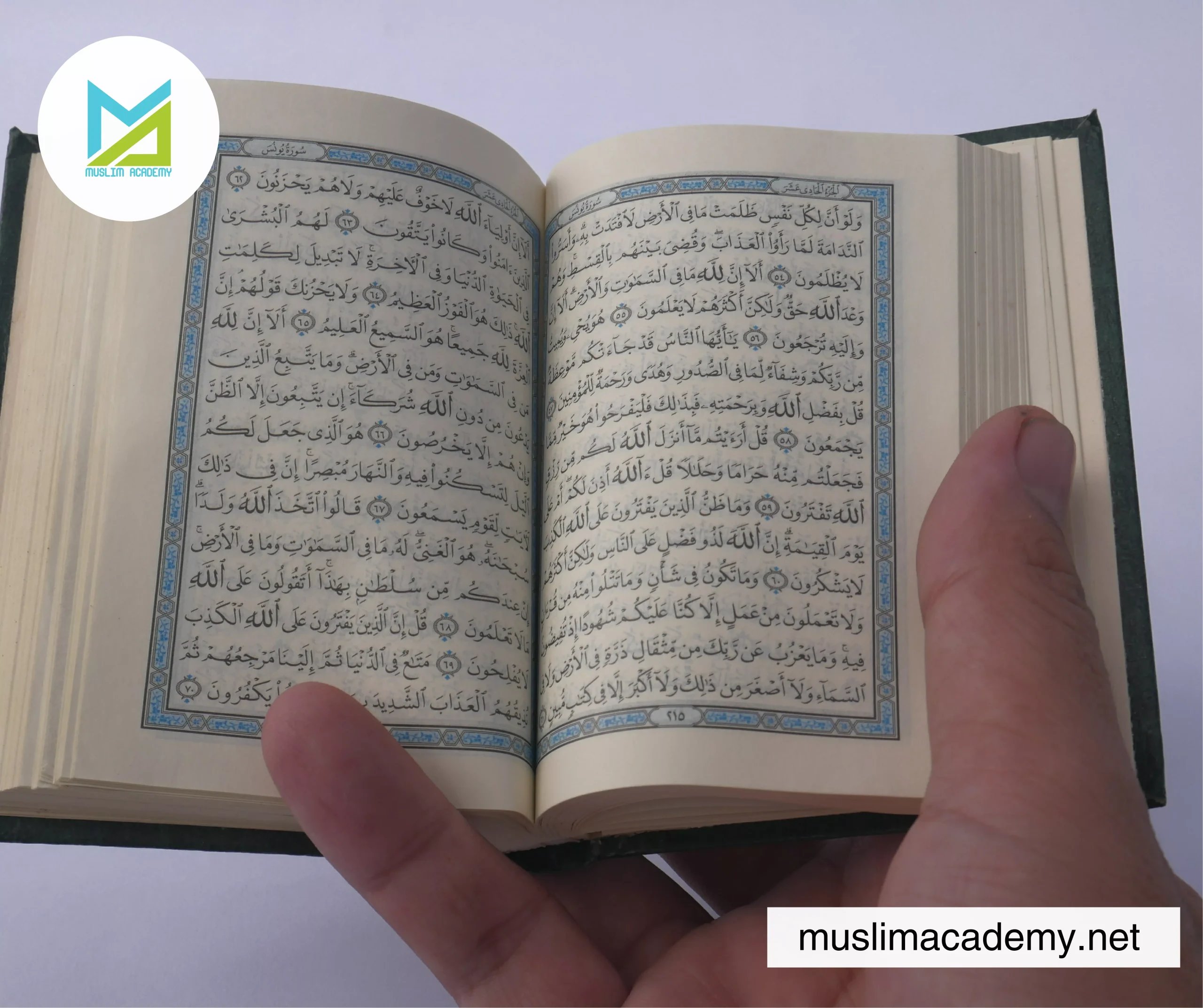
Many academies offer both group classes and one-on-one sessions, allowing students to choose the learning format that best suits their preferences and learning style. Individual sessions provide intensive personalized attention, while group classes foster community learning and peer interaction. The ability to record sessions for later review is another valuable feature that supports different learning preferences and schedules.
Personalized learning plans are developed based on initial assessments of each student’s current knowledge level, learning goals, and available time commitment. This individualized approach ensures that each student receives appropriate challenges and support throughout their educational journey.
Building Virtual Islamic Communities
Beyond individual learning, an Online Quran Teaching Academy with Muslim Academy often fosters the development of virtual Islamic communities where students can connect, support each other, and share their learning experiences. Discussion forums, study groups, and online events create opportunities for social interaction and mutual encouragement among learners.
These virtual communities help address the potential isolation that might result from learning in an online environment. Students can participate in group recitations, Quran memorization challenges, and Islamic celebrations, creating a sense of belonging and shared purpose. The academy becomes not just an educational platform but a hub for Islamic community building in the digital space.
Quality Assurance and Continuous Improvement
Reputable Online Quran Teaching Academy, with Muslim Academy platforms, implements comprehensive quality assurance measures to ensure educational excellence. Regular assessment of student progress, feedback collection, and instructor evaluations help maintain high standards of education delivery. Many academies utilize learning management systems that track student engagement, completion rates, and achievement levels.
Continuous improvement is facilitated through data analysis of learning patterns, student feedback, and technological advancements. This data-driven approach allows academies to refine their curriculum, improve teaching methodologies, and enhance the overall learning experience.
Conclusion
The emergence of the Online Quran Teaching Academy with Muslim Academy model represents a transformative approach to Islamic education that honors traditional knowledge while embracing modern accessibility. These platforms have successfully demonstrated that authentic Quranic education can be effectively delivered through digital means without compromising the integrity and depth of traditional learning methods.
As technology continues to evolve and global connectivity improves,
Online Quran Teaching Academy with Muslim Academy platforms
will likely play an increasingly important role in Islamic education worldwide.
They offer a sustainable solution for preserving and transmitting
Quranic knowledge to future generations while adapting to the changing needs and circumstances of Muslim communities globally.
The success of these digital learning platforms ultimately depends on maintaining
The delicate balance between technological innovation and authentic
Islamic scholarship ensures that the sacred tradition of Quranic education continues to thrive in the modern world.