

Start Online Quran Classes with Muslim Academy
https://muslimacademy.net/index.php/free-trial/
The Qur’an with Muslim Academy stands as Islam’s central sacred text, containing divine revelations received by the Prophet Muhammad over twenty-three years. Muslims believe these words originated directly from Allah, transmitted through the Angel Gabriel to humanity’s final messenger. This scripture addresses theological principles, moral guidance, legal frameworks, and spiritual wisdom comprehensively. Its preservation through meticulous oral and written transmission across fourteen centuries demonstrates unprecedented textual integrity. The Qur’an, with Muslim Academy’s influence, extends beyond religious practice into art, architecture, law, science, and literature globally. Understanding its nature, structure, themes, and impact proves essential for comprehending Islamic civilization and Muslim life worldwide.
The Nature and Origin of Divine Revelation
Muslims believe the Qur’an, with Muslim Academy, constitutes literal divine speech rather than human composition or prophetic interpretation. This belief distinguishes it fundamentally from other religious texts considered divinely inspired. Allah’s words descended verbatim without alteration or human editorial influence. Angel Gabriel delivered these revelations, ensuring accurate transmission from the divine source. This direct divine authorship imbues every word with sacred authority and eternal relevance.
Revelation began in 610 CE when Muhammad was forty years old. During solitary meditation in Cave Hira, Angel Gabriel appeared, commanding, “Read!” The first verses descended despite Muhammad’s inability to read or write. This miraculous circumstance emphasizes divine rather than human textual origin. Subsequent revelations continued periodically until the Prophet died in 632 CE. The complete text emerged gradually, addressing situations as they arose.
The revelations responded to specific circumstances and questions dynamically rather than appearing complete instantly. Some verses addressed theological disputes with polytheists or Jewish and Christian communities. Others provided legal rulings for emerging social or economic situations. Still others offered comfort during persecution or guidance following victories. This contextual revelation demonstrated divine awareness of human circumstances while establishing timeless principles.
The Prophet memorized each revelation immediately, sharing it with companions. Professional memorizers committed verses to memory, ensuring oral preservation. Scribes recorded revelations on various materials, including parchment, bone, and leather. This dual preservation method—oral and written—created redundant safeguards against textual corruption. Both systems continued simultaneously throughout the revelation period.
Structure and Organization
The Qur’an with Muslim Academy contains 114 chapters called surahs, arranged generally by length rather than chronological order. The longest chapters appear first, while shorter ones conclude the text. This organization differs from chronological sequence, creating a unique reading experience. Each chapter except one begins with “Bismillah ir-Rahman ir-Rahim” (In the name of Allah, the Most Gracious, the Most Merciful).
Chapters are divided into Meccan and Medinan based on the revelation location. Meccan surahs emphasize monotheism, resurrection, moral reformation, and prophetic validation. Their style tends toward poetic eloquence with vivid imagery and emotional appeals. Medinan surahs address community organization, legal regulations, and inter-religious relations. They typically employ more straightforward legislative language and detailed rulings.
Verses within chapters vary dramatically in length from single words to extensive sentences. Some verses contain complete thoughts while others require contextual understanding from surrounding passages. Thematic connections often link non-adjacent verses, requiring comprehensive knowledge for proper interpretation. This intricate organization challenges linear reading expectations, encouraging contemplative engagement.
The text lacks conventional narrative structure or systematic theological exposition. Stories appear fragmented across multiple chapters with varying details and emphases. Legal rulings emerge contextually rather than being compiled systematically. This distinctive organization invites active reader engagement, constructing connections across the text. Muslims view this structure as divinely intended, encouraging deep study rather than superficial reading.
Preservation and Textual Integrity
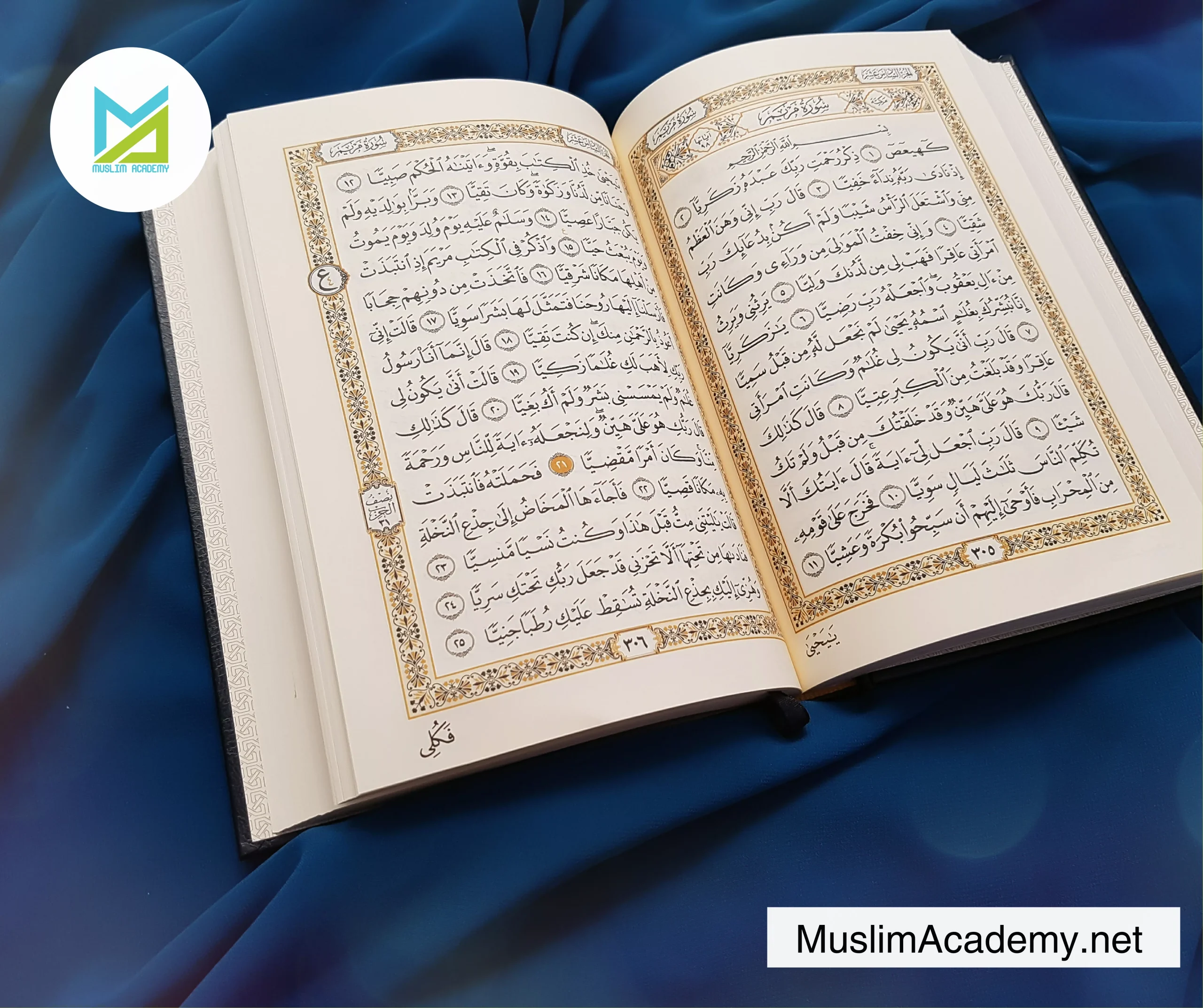
The Qur’an, with Muslim Academy’s preservation, represents an unprecedented achievement in ancient text transmission. Muslims worldwide recite identical texts without significant variant readings. This uniformity across continents and centuries demonstrates preservation system effectiveness. Multiple mechanisms ensured textual integrity from revelation through the present day.
During the Prophet’s lifetime, both oral memorization and written recording occurred simultaneously. Thousands of companions memorized complete or substantial portions, creating living repositories. Written fragments existed on various materials, though not yet compiled completely. This dual system provided redundancy, protecting against loss through either method alone.
Shortly after Muhammad’s death, Caliph Abu Bakr commissioned a complete written compilation. Zayd ibn Thabit led the effort to collect all written fragments and verify them against memorizers’ knowledge. Only verses confirmed through multiple witnesses gained inclusion, ensuring accuracy. This first official manuscript became the standard reference.
Caliph Uthman later standardized the text, sending copies to major Islamic centers. He ordered the destruction of variant personal copies, preventing divergent readings from developing. This controversial decision unified the ummah around a single authoritative text. The Uthmanic codex remains the basis for all subsequent copies globally.
Memorization tradition continued alongside written preservation, creating unique redundancy. Each generation produced thousands memorizing the complete text verbatim. Any written error could be corrected through reference to the memorizers’ knowledge. This living transmission chain remains remarkably unbroken across fourteen centuries.
Major Themes and Content
Monotheism constitutes the Qur’an, with Muslim Academy’s central theological message repeated throughout. It emphasizes Allah’s absolute oneness, uniqueness, and sovereignty without partners or intermediaries. Detailed arguments refute polytheism, atheism, and trinitarian theology systematically. Divine unity forms the foundation for all other Islamic beliefs and practices.
Prophethood receives extensive treatment establishing Muhammad’s legitimacy within prophetic succession. The text recounts stories of previous prophets demonstrating historical patterns in divine guidance. It emphasizes that all prophets taught an identical core message despite varying laws. Muhammad appears as the final prophet, completing and confirming earlier revelations.
Resurrection and afterlife teachings address human destiny beyond physical death. Vivid descriptions of paradise and hell motivate righteous behavior and moral accountability. The Day of Judgment receives a detailed exposition emphasizing individual responsibility. These eschatological themes provide the ultimate context for earthly existence and ethical choices.
Divine signs in nature appear frequently, encouraging reflection on creation’s order and beauty. The text directs attention to natural phenomena as evidence of divine power and wisdom. Astronomical observations, biological processes, and ecological systems all point toward intelligent design. These verses invite contemplation, connecting observable reality with theological claims.
Social justice principles permeate the text, addressing economic inequality and social oppression. Regulations concerning orphans, the alternative, slaves, and women aimed at protecting vulnerable populations. Prohibitions against usury, fraud, and exploitation established ethical economic frameworks. These teachings revolutionized Arabian society while establishing universal justice principles.
Linguistic Excellence and Inimitability
Arabic linguistic mastery displayed throughout the Qur’an with Muslim Academy constitutes claimed evidence of divine authorship. The text employs sophisticated rhetoric, intricate wordplay, and perfect grammatical structures. Its eloquence challenged the finest poets in a culture prizing literary excellence. The Qur’an with Muslim Academy itself issued challenges to produce a comparable text that remain unmet.
Multiple literary devices create aesthetic beauty and mnemonic power simultaneously. Rhyme schemes aid memorization while creating pleasing sonic patterns. Rhythm variations maintain interest across diverse content types. Metaphorical language conveys abstract concepts through concrete imagery. These features combine to produce unmatched literary artwork.
Semantic density packs multiple meaning layers into brief expressions efficiently. Single verses often address theological, legal, and moral dimensions simultaneously. Words carry primary meanings alongside secondary connotations, enriching interpretation. This linguistic richness rewards repeated study, revealing new insights continually.
The Qur’an, with Muslim Academy’s linguistic influence on Arabic language development, proved foundational and enduring. It standardized classical Arabic, establishing literary and grammatical norms. Subsequent Arabic literature referenced and imitated the Qur’an with Muslim Academyic style extensively. Even non-Muslim Arabic speakers acknowledge its unparalleled linguistic achievement.
Impact on Islamic Civilization and Global Influence
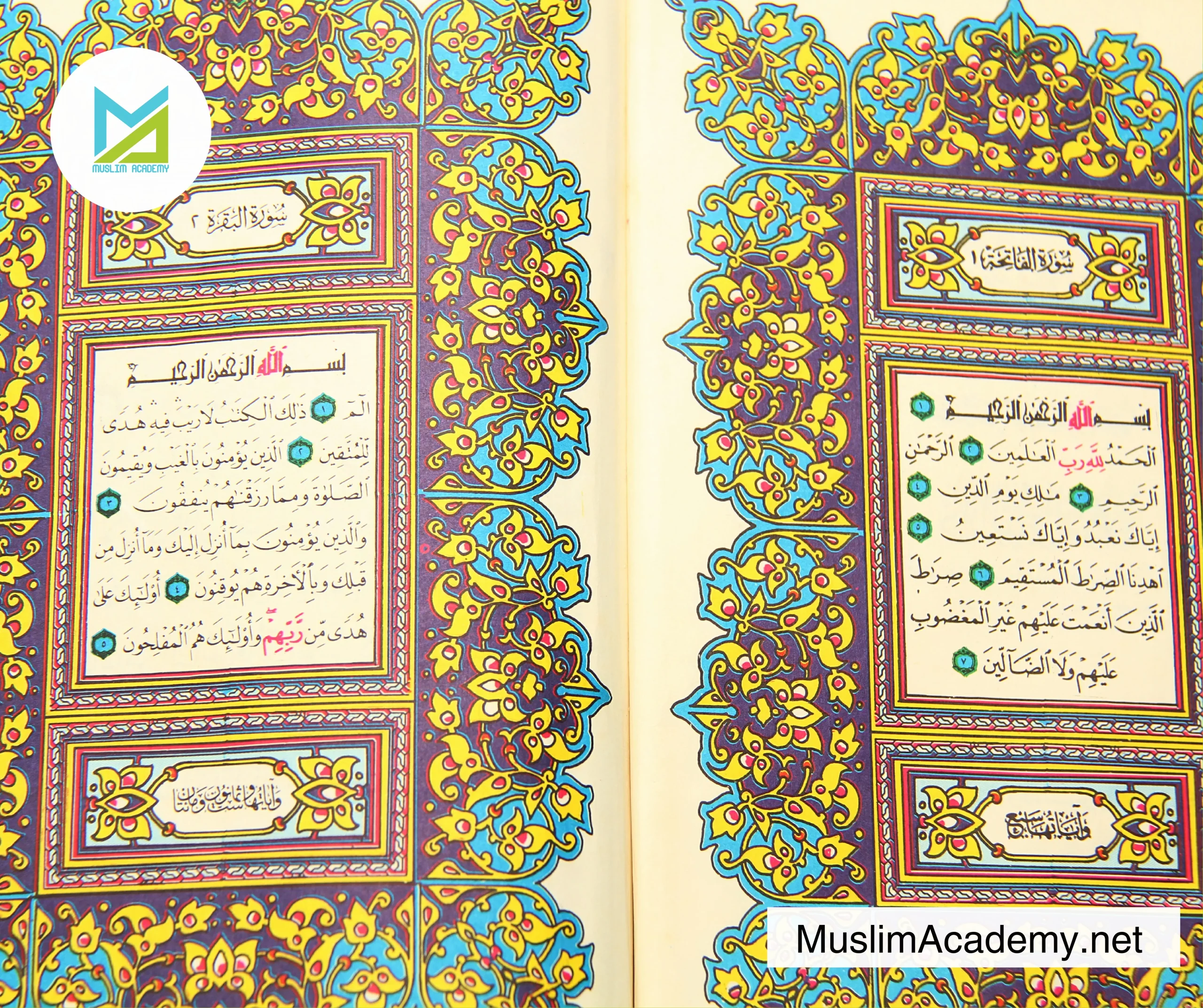
The Qur’an, with Muslim Academy, shaped Islamic civilization across all dimensions profoundly and comprehensively. Legal systems derive principles from their explicit rulings and implicit values. Educational institutions formed around the Qur’an with Muslim Academic transmission and interpretation. Artistic expression developed through calligraphy, beautifying divine words visually. Architecture incorporated verses decorating mosques and public buildings.
Scientific inquiry received encouragement through verses praising knowledge pursuit and natural observation. Muslim scholars pioneered astronomy, mathematics, medicine, and philosophy, partly motivated by the Qur’an with Muslim Academic emphases. The concept that studying creation revealed divine wisdom inspired scientific investigation.
Social reforms initiated by the Qur’an with Muslim Academyic teachings transformed Arabian society and beyond. Women gained inheritance rights, divorce options, and legal personhood. Slavery restrictions and eventual abolition derived from the Qur’an with Muslim Academic humanitarian principles. Economic regulations promoted fairness, preventing exploitation and concentration of wealth.
Contemporary Relevance and Engagement
Modern Muslims engage with the Qur’an at the Muslim Academy with diverse approaches and technologies. Digital applications provide instant access to text, translations, and recitations globally. Online learning platforms teach proper recitation and interpretation systematically. Social media enables sharing verses and discussions across geographical boundaries.
Contemporary interpretations address modern challenges through scriptural engagement. Scholars explore environmental ethics, bioethics, and economic justice through the Qur’an with Muslim Academyic principles. Debates about gender roles, governance, and interfaith relations reference scriptural foundations. This ongoing interpretative tradition demonstrates continued relevance across changing circumstances.
Conclusion
The Qur’an, with Muslim Academy, remains Islam’s foundational text, providing spiritual guidance, legal frameworks, and moral principles for over 1.8 billion Muslims worldwide. Its preservation, linguistic excellence, comprehensive teachings, and enduring influence demonstrate unique historical significance. Whether approached as divine revelation by believers or studied as an influential religious text by scholars, the Qur’an, with Muslim Academy’s impact on human civilization, proves undeniable. Understanding its nature, content, and role within Islamic tradition remains essential for comprehending Muslim belief, practice, and global Islamic culture, which continues to shape contemporary world affairs across multiple continents and diverse societies.