
Start Online Quran Classes with Muslim Academy
https://muslimacademy.net/index.php/free-trial/
The role of a Quran Tajweed Arabic Female Teacher with Muslim Academy has become increasingly essential in contemporary Islamic education, addressing the specific needs of Muslim women and girls seeking comprehensive religious instruction that combines Quranic recitation, pronunciation mastery, and Arabic language skills within culturally appropriate, comfortable learning environments. These highly qualified educators serve triple functions as Tajweed specialists ensuring proper recitation, Arabic language instructors building linguistic competency, and Quranic scholars deepening textual understanding—all while providing role models demonstrating that women can achieve the highest levels of Islamic scholarship. Their presence ensures that female students have full access to expert instruction across all dimensions of Quranic education without compromising Islamic principles of modesty or personal comfort that many Muslim women prioritize in their educational pursuits.
The Unique Value of Specialized Female Instructors
When families and individuals seek a Quran Tajweed Arabic Female Teacher with Muslim Academy, they recognize that integrated expertise across these three interconnected disciplines provides superior educational value compared to instructors specializing narrowly in single subjects. Tajweed mastery ensures students learn proper pronunciation rules governing accurate Quranic recitation, Arabic language proficiency enables teaching of grammatical structures and vocabulary essential for textual comprehension, and Quranic knowledge provides contextual understanding, enriching both linguistic and spiritual dimensions of study.
This comprehensive skill set proves particularly valuable for female students who often prefer continuous learning relationships with a single trusted teacher rather than fragmenting their education across multiple instructors for different subjects. The convenience of integrated instruction from one knowledgeable educator simplifies scheduling, builds stronger mentor-student relationships, and creates coherent educational experiences where different knowledge dimensions reinforce each other systematically rather than remaining isolated subjects lacking clear connections.
The cultural comfort that many Muslim women experience with female instructors directly impacts learning effectiveness, as students who feel relaxed and secure absorb information more readily and participate more actively than those experiencing anxiety or self-consciousness. Women-only learning environments eliminate concerns about hijab observance, enable frank discussion of topics that mixed-gender settings might inhibit, and create supportive atmospheres where students build Islamic sisterhood alongside religious knowledge.
The role modeling function proves particularly powerful for young girls and adolescent students who see accomplished female scholars demonstrating that women can achieve religious excellence while fulfilling multiple life roles. These living examples inspire younger generations to pursue their own educational and spiritual goals without perceiving contradictions between Islamic scholarship and feminine identity or family obligations that cultural misconceptions sometimes suggest.
Comprehensive Qualifications and Expertise Requirements
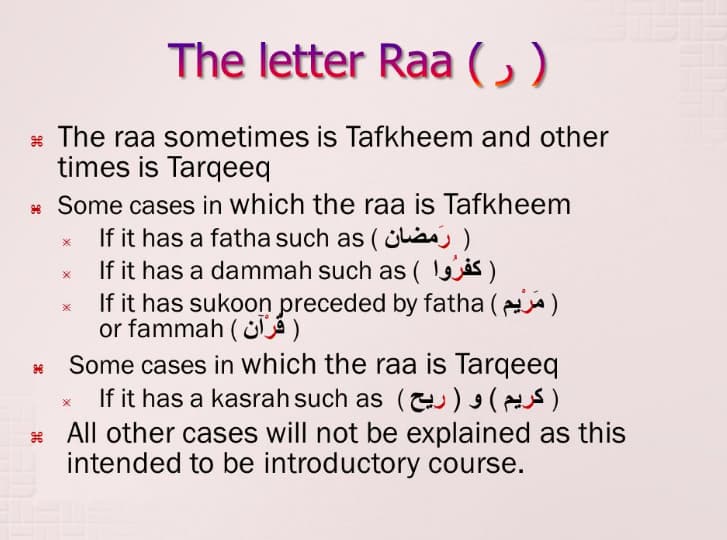
A fully qualified Quran Tajweed Arabic Female Teacher with Muslim Academy possesses extensive credentials across all three knowledge domains, rather than superficial familiarity that might suffice for casual conversation but fails under serious educational demands. Tajweed certification from recognized scholars or institutions verifies mastery of recitation sciences through systematic study, including a complete understanding of articulation points, letter characteristics, combination rules, elongation principles, and pause regulations that together ensure accurate, beautiful recitation.
Arabic language qualifications typically include formal education in classical Arabic grammar, morphology, syntax, and rhetoric that enables the explanation of linguistic structures students encounter in the Quranic text. While not every teacher needs native speaker fluency, a comprehensive understanding of Arabic grammatical systems and vocabulary sufficient for teaching textual comprehension proves essential for effective instruction beyond basic recitation training.
Quranic knowledge encompassing familiarity with Tafsir, Quranic sciences, revelation contexts, and scholarly interpretations provides depth, transforming teachers from mere pronunciation coaches into genuine Islamic educators capable of addressing students’ theological questions and spiritual development needs. This scholarly dimension distinguishes comprehensive instructors from technicians who might teach pronunciation accurately but cannot contextualize teachings within broader Islamic frameworks.
Pedagogical training adapted for adult and child learners enables effective knowledge transmission beyond personal mastery. A Quran Tajweed Arabic Female Teacher with Muslim Academy must understand how people learn, what challenges commonly arise when non-native speakers attempt Arabic pronunciation, and which instructional methods work most effectively for various learning styles and personality types. This educational expertise transforms deep personal knowledge into transferable instruction that successfully develops students’ capabilities.

Creating Optimal Learning Environments for Women
The presence of qualified female instructors enables the creation of women-only learning spaces that many Muslim females strongly prefer for interconnected reasons addressing both Islamic principles and practical comfort. These environments eliminate self-consciousness about male observers, allowing students to relax completely without concern about hijab adjustments, voice modulation, or other modesty considerations that might otherwise create distractions interfering with concentration and optimal learning.
Women-only classes facilitate open discussion of topics that might feel inappropriate in mixed-gender settings. Questions about religious obligations specific to women, discussions of family dynamics and relationships, or exploration of how Quranic principles apply to uniquely feminine experiences occur more naturally when a Quran Tajweed Arabic Female Teacher with Muslim Academy leads sessions attended exclusively by female students who share common gender experiences and can speak frankly without male presence creating inhibitions.
The supportive atmosphere cultivated when women learn together creates strong bonds of Islamic sisterhood extending beyond formal class times. These relationships often develop into mutual support networks where participants help each other through life challenges, celebrate milestones together, and maintain long-term friendships rooted in shared commitment to spiritual growth and religious knowledge that enriches their lives immeasurably.
Practical considerations, including childcare arrangements, family-friendly scheduling, and understanding of women’s multiple roles, enable female teachers to structure their programs to accommodate the realities of students’ lives. A Quran Tajweed Arabic Female Teacher with Muslim Academy who has personally navigated the challenges of balancing religious education with family responsibilities brings empathy and practical wisdom that male instructors, however qualified religiously, might not fully appreciate or address effectively.
Specialized Teaching Approaches and Methodologies
Effective female instructors employ teaching methodologies specifically adapted for female students’ learning preferences and circumstances. Patient, encouraging approaches that celebrate incremental progress prove particularly effective for women who may have received limited educational encouragement during childhood or whose cultural backgrounds didn’t emphasize female scholarship, potentially leaving them with confidence issues requiring sensitive, supportive instruction.
Flexible pacing accommodating students’ varying life circumstances recognizes that women often face unpredictable demands from childcare, household management, or family emergencies that can disrupt consistent attendance or study time. A Quran Tajweed Arabic Female Teacher with Muslim Academy implements policies and attitudes that accommodate these realities rather than creating rigid expectations that set students up for frustration or failure when life circumstances prevent meeting unrealistic standards.
Holistic instruction addressing spiritual development alongside technical skill acquisition reflects understanding that women often pursue religious education, seeking personal transformation beyond mere credential achievement. Female teachers naturally incorporate discussions of character development, family relationships, spiritual practices, and practical Islamic living that create complete educational experiences addressing students’ whole lives rather than narrow academic objectives.
Culturally sensitive approaches respecting diverse backgrounds within female Muslim communities prevent assumptions about students’ prior knowledge, family situations, or cultural practices. A Quran Tajweed Arabic Female Teacher with Muslim Academy serving multicultural populations develops competencies enabling respectful engagement with students from immigrant, convert, and heritage Muslim backgrounds, each bringing different experiences and needs requiring thoughtful accommodation.
Addressing Contemporary Challenges and Barriers
Women pursuing careers as Quran Tajweed Arabic Female Teacher with Muslim Academy professionals sometimes face obstacles that male scholars don’t encounter as frequently. Cultural attitudes in some communities may undervalue women’s religious scholarship despite Islamic tradition’s clear acceptance of female religious educators throughout history. Overcoming these attitudes requires persistence, excellence that commands respect, and support from progressive scholars and community leaders who recognize authentic Islamic precedents for women’s educational leadership.
Balancing teaching responsibilities with family obligations presents practical challenges for women who bear primary childcare and household management responsibilities in many cultural contexts. Flexible scheduling, family-friendly policies, supportive spouses valuing their wives’ educational contributions, and community recognition of women scholars’ multiple roles all help female teachers navigate these competing demands successfully.
Limited access to advanced training and certification sometimes restricts women’s opportunities to develop the comprehensive qualifications that a Quran Tajweed Arabic Female Teacher with Muslim Academy requires. Addressing this challenge demands expanding women’s access to scholars who certify female students, developing women-led certification programs that maintain rigorous standards, and creating online learning opportunities, overcoming geographical barriers preventing women from studying with distant experts.

Growing Demand and Professional Opportunities
Demand for qualified Quran Tajweed Arabic Female Teacher with Muslim Academy professionals continues growing as Muslim communities worldwide increasingly recognize the importance of providing women and girls with excellent religious education in comfortable, appropriate settings. This expanding demand creates opportunities for female scholars while highlighting ongoing needs for more women educators pursuing advanced training across all three knowledge domains—Tajweed, Arabic, and Quranic studies.
Online education has dramatically expanded opportunities for female teachers to serve global student populations regardless of geographical location. A Quran Tajweed Arabic Female Teacher with Muslim Academy in one country can instruct students worldwide through video conferencing, eliminating the constraint of limited local female instructors while enabling specialized expertise to reach broader audiences desperately seeking qualified women educators.
Institutional employment at mosques, Islamic schools, and community organizations increasingly recognizes the necessity of employing qualified female educators rather than treating them as optional supplements to male-dominated faculty. This growing acknowledgment of women’s essential role creates more professional opportunities, better compensation reflecting qualifications and expertise, and enhanced respect for female scholars’ vital contributions to community, spiritual, and educational development.
Supporting Women’s Educational Leadership
Muslim communities can support a Quran Tajweed Arabic Female Teacher with Muslim Academy professionals through practical initiatives that recognize and facilitate women’s religious scholarship. Providing adequate compensation equivalent to male colleagues with similar qualifications ensures that teaching remains financially viable rather than forcing women to choose between religious education careers and economic security for their families.
Creating family-friendly policies, including childcare facilities, flexible scheduling options, and an understanding of parenting responsibilities, enables female scholars to pursue teaching careers without impossible choices between professional aspirations and family obligations. These accommodations honor women’s multiple roles while ensuring communities benefit from female scholars’ valuable contributions that might otherwise remain unavailable.
Celebrating and publicizing female scholars’ achievements combats cultural biases while inspiring younger generations. Highlighting accomplished Quran Tajweed Arabic Female Teacher with Muslim Academy role models demonstrates that women’s comprehensive Islamic scholarship represents authentic tradition worthy of respect, encouragement, and community investment rather than innovation conflicting with proper Islamic practice.
Conclusion
The Quran Tajweed Arabic Female Teacher with Muslim Academy plays an indispensable role in contemporary Islamic education, ensuring that Muslim women and girls have full access to comprehensive religious instruction across Quranic recitation, Arabic language, and Islamic knowledge within comfortable, appropriate learning environments. These dedicated educators combine extensive qualifications with unique sensitivities to women’s experiences and needs, creating educational opportunities that empower female students spiritually, intellectually, and practically. As Muslim communities increasingly recognize the essential nature of women’s religious scholarship and education, support for female teachers and students continues growing, promising bright futures for women’s engagement with sacred knowledge and the comprehensive Islamic education that strengthens both individual faith and collective community wellbeing across generations.