Start Online Quran Classes with Muslim Academy
https://muslimacademy.net/index.php/free-trial/
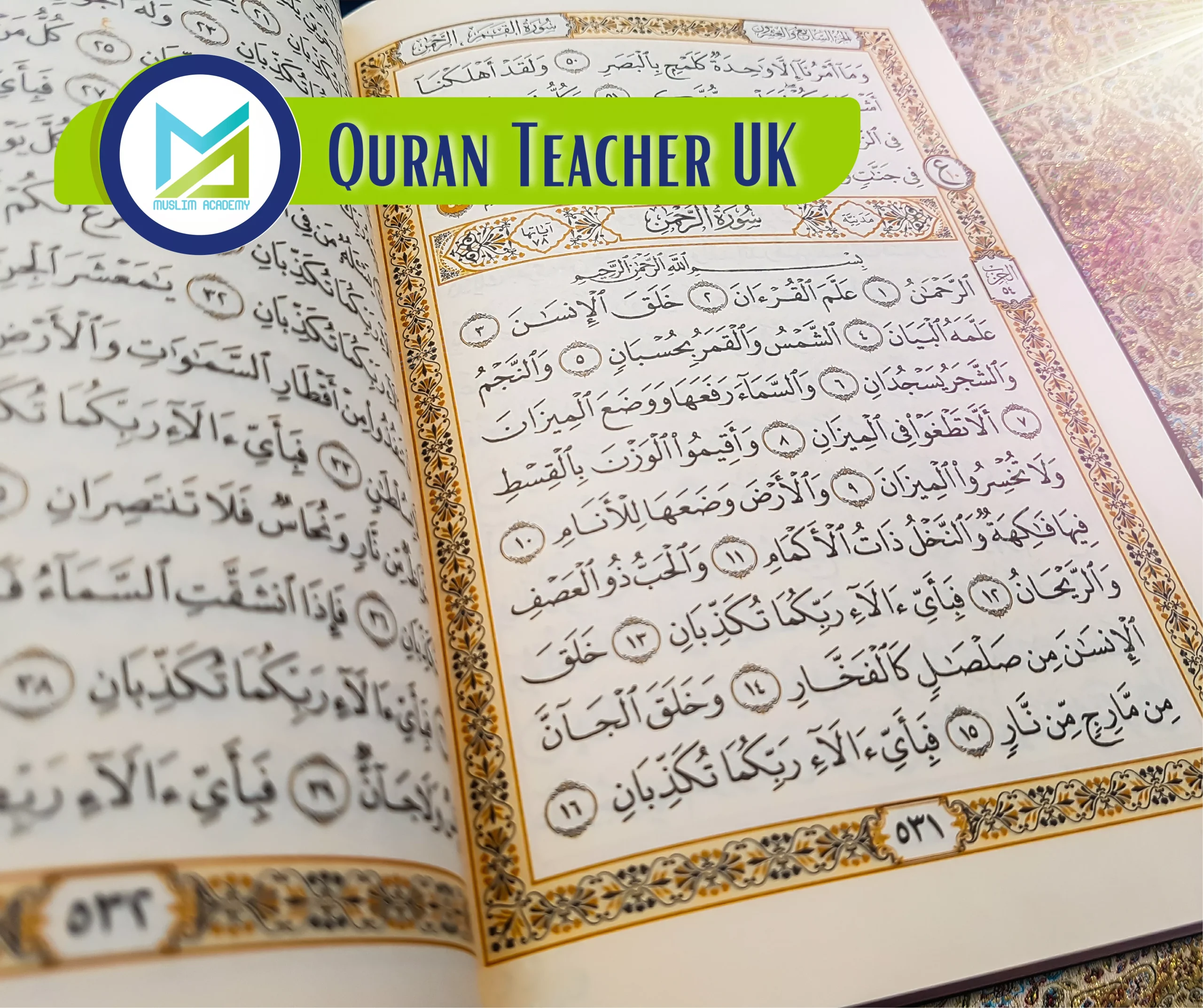
The United Kingdom has witnessed a remarkable growth in demand for qualified Islamic education instructors, searching a reliable Quran Teacher UK with Muslim Academy an increasingly important consideration for Muslim families across the nation. This growing interest reflects the diverse and vibrant Muslim community in Britain, which spans multiple generations, cultural backgrounds, and educational needs. Understanding how to navigate the landscape of Quranic education in the UK requires careful consideration of various factors, from teaching qualifications to cultural sensitivity and modern educational approaches.
The Importance of Quality Islamic Education in British Society
In contemporary British society, the role of a skilled Quran Teacher UK with Muslim Academy extends far beyond traditional religious instruction. These educators serve as cultural bridges, helping young British Muslims understand their Islamic heritage while successfully integrating into modern UK society. The complexity of this role requires instructors who possess not only deep knowledge of Islamic teachings but also a thorough understanding of the British educational system and cultural context.
The multicultural nature of British society presents unique opportunities and challenges for Islamic education. A competent Quran Teacher UK with Muslim Academy must be able to address questions about practicing Islam in a predominantly non-Muslim environment, helping students understand how their faith can guide them through various aspects of life in Britain. This includes addressing practical concerns about Islamic practices in British schools, workplaces, and social settings.
The increasing recognition of religious diversity in British educational institutions has also created new opportunities for qualified Islamic educators. Many schools now seek to incorporate interfaith understanding into their curricula, creating demand for knowledgeable instructors who can represent Islamic perspectives accurately and respectfully in academic settings.
Qualifications and Credentials for Islamic Educators
When seeking a qualified Quran Teacher UK with Muslim Academy, understanding the appropriate credentials and qualifications is essential. Traditional Islamic education typically involves years of study at recognized institutions, often culminating in formal certifications such as ijazah, which represents a chain of transmission connecting the teacher to the Prophet Muhammad through generations of scholars.
Modern Quranic education in the UK often combines traditional Islamic scholarship with contemporary pedagogical training. Many effective instructors hold degrees from both Islamic universities and British educational institutions, providing them with the dual expertise necessary to teach Islamic subjects using methods that resonate with British students.
The most effective educators also possess strong communication skills in English, cultural awareness of British society, and the ability to adapt their teaching methods to different age groups and learning styles. These skills are particularly important when working with second and third-generation British Muslims who may have varying levels of familiarity with the Arabic language and Islamic practices.
Different Approaches to Quranic Instruction
The methodology employed by a Quran Teacher UK with Muslim Academy can vary significantly depending on the instructor’s background, the student’s needs, and the educational context. Traditional approaches often emphasize memorization, proper recitation techniques, and adherence to established tajweed rules. These methods have proven effective over centuries and remain highly valued in Islamic education.
However, modern educational approaches increasingly incorporate interactive learning techniques, multimedia resources, and student-centered methodologies that engage learners more actively in the educational process. Many contemporary instructors blend traditional and modern approaches, using technology to enhance traditional teaching methods while maintaining the reverence and respect that Quranic education demands.
Some educators specialize in specific aspects of Quranic education, such as memorization (hifz), recitation improvement, Arabic language instruction, or Quranic interpretation (tafseer). Understanding these specializations can help families identify instructors whose expertise aligns with their specific educational goals.
Age-Appropriate Islamic Education Strategies
A skilled Quran Teacher UK with Muslim Academy must be adept at tailoring their instruction to different age groups, each with distinct learning capabilities and educational needs. Early childhood Islamic education typically focuses on basic Arabic letters, simple verses, and foundational Islamic concepts presented through engaging activities and storytelling.
Adolescent students often require more sophisticated approaches that address their developing critical thinking skills and questions about Islamic teachings on contemporary issues. Instructors working with teenagers must be prepared to engage in meaningful discussions about faith, identity, and the practical application of Islamic principles in modern British society.
Adult learners present their unique challenges and opportunities. Many adult students seeking Islamic education are either new converts to Islam or individuals looking to deepen their existing knowledge. These students often appreciate structured approaches that respect their time constraints while providing a comprehensive understanding of Islamic teachings.
Integration with the British Educational System
The relationship between Islamic education and the broader British educational landscape is complex and evolving. Many families seek a Quran Teacher UK with Muslim Academy who can help their children excel in both Islamic studies and mainstream British education. This requires instructors who understand the demands of the British curriculum and can help students manage their time effectively between religious and secular studies.
Some Islamic educators work closely with British schools to provide supplementary religious education or to ensure that Islamic perspectives are accurately represented in religious studies curricula. This collaboration helps promote mutual understanding and respect between different faith communities in British society.
The growing recognition of Islamic contributions to science, mathematics, philosophy, and literature also creates opportunities for qualified instructors to demonstrate the intellectual richness of Islamic civilization and its ongoing relevance to contemporary education.
Addressing Contemporary Challenges in Islamic Education
Modern Islamic education in the UK faces several unique challenges that a competent Quran Teacher UK with Muslim Academy must be prepared to address. These include combating misconceptions about Islam prevalent in some segments of British society, helping students develop resilience against discrimination, and fostering positive Islamic identity in a multicultural environment.
The digital age has also introduced new challenges, including the proliferation of unreliable Islamic content online and the need to help students distinguish between authentic Islamic teachings and extremist interpretations. Qualified instructors play a crucial role in providing students with the knowledge and critical thinking skills necessary to navigate these challenges successfully.
Additionally, many British Muslim families struggle with maintaining Islamic traditions while adapting to British cultural norms. A skilled educator can help families find appropriate balances that honor both their Islamic heritage and their British identity.
Community Building and Social Responsibility
Beyond individual instruction, many educators serving as a Quran Teacher UK with Muslim Academy also contribute to broader community-building efforts within British Muslim communities. This includes organizing community events, facilitating interfaith dialogue, and supporting charitable initiatives that reflect Islamic values of social responsibility and community service.
These community-oriented activities help students understand that Islamic education extends beyond personal spiritual development to include active participation in creating positive change within British society. This perspective helps young British Muslims see their Islamic identity as compatible with civic engagement and social contribution.
Technology and Modern Islamic Education
The integration of technology into Islamic education has transformed how a contemporary Quran Teacher UK with Muslim Academy can deliver instruction and engage with students. Digital platforms enable flexible scheduling, interactive learning experiences, and access to vast libraries of Islamic resources that enhance traditional teaching methods.
However, the use of technology in Islamic education also requires careful consideration of Islamic principles regarding appropriate content, respectful communication, and the maintenance of proper teacher-student relationships. Skilled instructors leverage technology’s benefits while ensuring that digital tools support rather than replace the personal connection and spiritual dimension that characterize effective Islamic education.
Conclusion
The search for a qualified Quran Teacher UK with Muslim Academy represents an important decision that can significantly impact an individual’s or family’s Islamic educational journey. The best instructors combine deep Islamic knowledge with cultural sensitivity, modern pedagogical skills, and genuine commitment to supporting their students’ spiritual and intellectual development.
As British Muslim communities continue to grow and evolve, the demand for high-quality Islamic education will likely increase, creating new opportunities for qualified educators and innovative educational approaches. Families investing in Islamic education today are not only supporting their spiritual development but also contributing to the broader goal of fostering understanding, tolerance, and mutual respect within British society.
The future of Islamic education in the UK looks bright, with increasing recognition of its value and growing numbers of qualified instructors dedicated to serving British Muslim communities with excellence, integrity, and cultural awareness.