

Start Online Quran Classes with Muslim Academy
https://muslimacademy.net/index.php/free-trial/
The desire to understand the Quran in its original language has led millions of Muslims worldwide to seek out comprehensive educational opportunities. A well-structured Quranic Arabic Course with Muslim Academy represents far more than traditional language learning; it serves as a gateway to direct communication with the divine text, eliminating barriers of translation and interpretation that can sometimes obscure the Quran’s profound meanings. This educational journey transforms students from passive recipients of translated meanings to active participants in the rich linguistic tradition that has preserved Islamic knowledge for over fourteen centuries.
Understanding the Educational Framework
A comprehensive Quranic Arabic Course with Muslim Academy typically encompasses multiple interconnected components designed to build students’ language skills systematically. Unlike general Arabic language programs that focus on modern conversational skills, these specialized courses concentrate specifically on the classical Arabic forms and structures found within the Quran. This targeted approach ensures that students develop the precise skills necessary for Quranic comprehension rather than spending time on contemporary Arabic elements that may not be immediately relevant to their spiritual objectives.
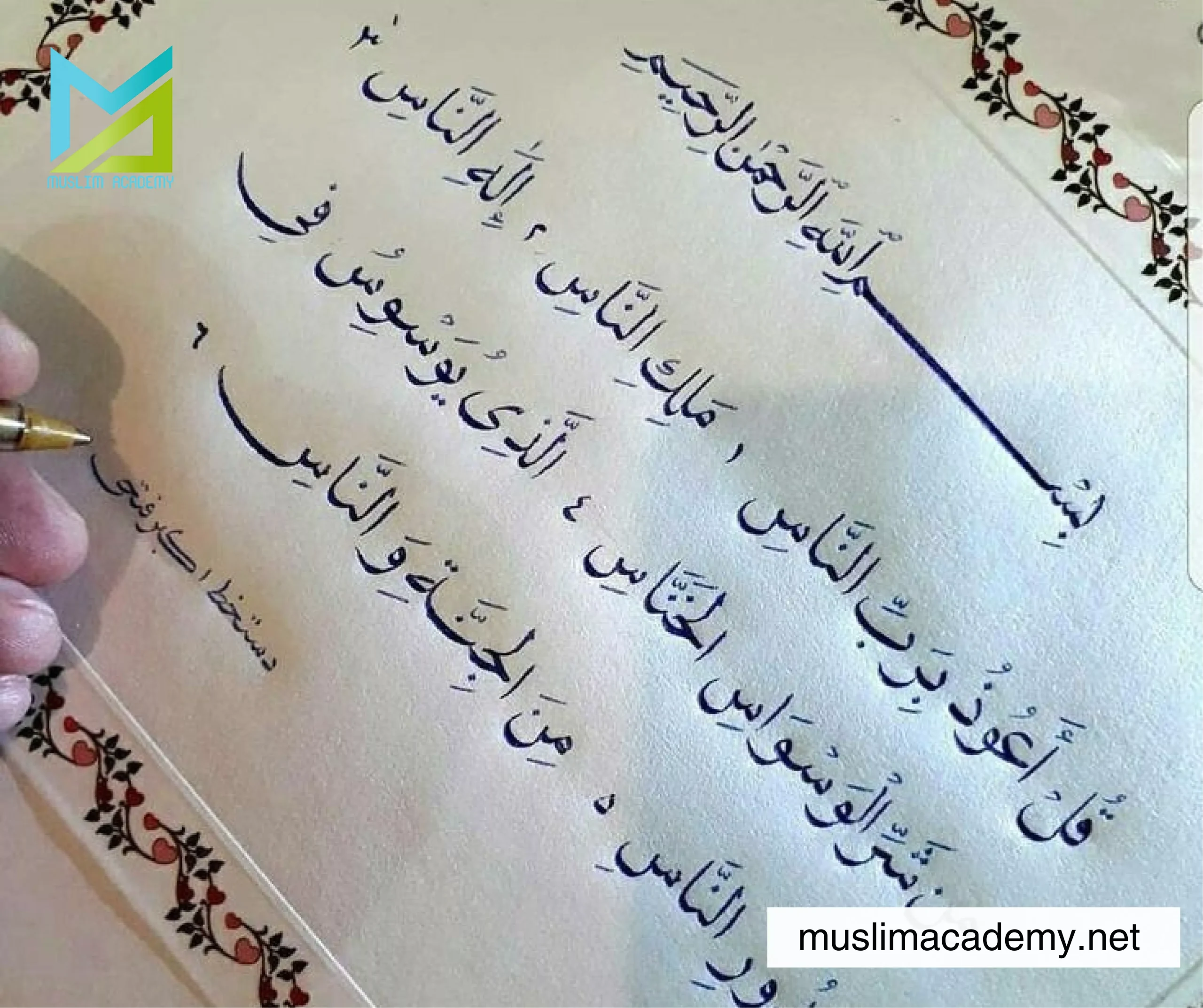
The foundational level of any quality program begins with Arabic script recognition and basic phonetics. Students learn to identify and write the twenty-eight letters of the Arabic alphabet in their various positional forms, understanding how these letters connect to form words and how their pronunciation changes based on accompanying diacritical marks. This fundamental stage requires patience and consistent practice, as Arabic script differs significantly from Latin-based writing systems in both appearance and directional flow.
Grammar instruction forms the backbone of effective Quranic study, as Classical Arabic follows precise grammatical rules that determine meaning. Students explore concepts such as verb conjugation patterns, noun declension systems, and sentence structure principles that govern how meaning is constructed and conveyed in the Quranic text. This grammatical foundation proves essential for students who wish to progress beyond word-by-word translation to genuine comprehension of complete verses and passages.
Pedagogical Approaches in Modern Islamic Education
Contemporary educational institutions offering a Quranic Arabic Course with Muslim Academy employ diverse teaching methodologies designed to accommodate different learning styles and educational backgrounds. Traditional approaches, rooted in centuries of Islamic educational practice, emphasize memorization, repetition, and gradual progression through increasingly complex material. These methods have proven their effectiveness over generations and continue to form the core of many Arabic education programs.
Communicative language teaching approaches focus on developing practical comprehension skills that enable students to engage meaningfully with the Quranic text. Rather than emphasizing grammatical analysis in isolation, these methods encourage students to work with complete verses and passages, developing an intuitive understanding of Arabic structures through extensive exposure to authentic Quranic material.
Blended learning approaches combine traditional Islamic educational methods with modern pedagogical techniques and technological tools. These hybrid programs often prove most effective for contemporary students, as they honor the reverence and systematic progression characteristic of classical Islamic education while incorporating engaging multimedia resources and interactive learning opportunities that enhance retention and motivation.

Curriculum Design and Learning Progression
An effective Quranic Arabic Course with Muslim Academy follows a carefully sequenced curriculum design that builds skills progressively from basic literacy to advanced comprehension abilities. Beginning students typically start with letter recognition and basic word formation before advancing to simple sentence structures and fundamental grammatical concepts.
Intermediate stages introduce more complex grammatical constructions, expanded vocabulary focused on Quranic terminology, and guided reading of selected verses and short chapters. Students at this level begin developing the analytical skills necessary to identify grammatical relationships within sentences and understand how these relationships affect meaning interpretation.
Advanced curriculum components include comprehensive grammatical analysis, morphological studies that explore word formation patterns, and extensive reading practice with complete Quranic chapters. Students at this level develop the independence necessary to approach unfamiliar Quranic passages with confidence, using their accumulated knowledge to decode meaning and appreciate linguistic subtleties.
The most comprehensive programs also incorporate elements of Quranic interpretation methodology, helping students understand how classical and contemporary scholars have approached textual analysis and meaning extraction. This contextual knowledge enriches students’ reading experience and provides frameworks for deeper spiritual reflection.
The Integration of Technology in Sacred Language Learning
Modern technology has transformed the delivery and effectiveness of the Quranic Arabic Course with Muslim Academy offerings, creating opportunities for enhanced learning experiences that were previously impossible. Digital platforms now provide sophisticated tools for Arabic text display, interactive exercises, and multimedia resources that support various aspects of language acquisition.
High-quality audio components enable students to hear proper pronunciation from qualified reciters, which proves essential for developing accurate reading skills. Many programs include recordings from renowned scholars and reciters, providing students with exemplary models for their recitation development and helping them internalize the rhythmic and melodic qualities that characterize beautiful Quranic recitation.
Interactive software applications offer personalized practice opportunities that adapt to individual student needs and learning pace. These tools can provide immediate feedback on reading accuracy, track progress through vocabulary acquisition, and offer remedial exercises for concepts that require additional reinforcement.
Virtual classroom environments enable real-time interaction between instructors and students regardless of geographical location, democratizing access to qualified Arabic instruction. These platforms often include features such as shared digital whiteboards, breakout rooms for small group practice, and recording capabilities that allow students to review lessons and track their progress over time.
Addressing Diverse Learning Needs and Backgrounds
A successful Quranic Arabic Course with Muslim Academy must accommodate students from vastly different educational, cultural, and linguistic backgrounds. Adult learners often bring substantial motivation and life experience to their studies, but may require different instructional approaches compared to younger students who possess greater neuroplasticity for language acquisition.
Students who are new converts to Islam represent a particularly important demographic for these programs. These learners often possess intense motivation to understand their adopted faith directly through its primary sources but may lack any prior exposure to Arabic script, Islamic cultural concepts, or traditional Islamic educational methods. Specialized approaches for converts typically include additional cultural context and background information that helps these students navigate unfamiliar religious and linguistic territory.
Heritage students from Arabic-speaking families may possess some familiarity with Arabic sounds and basic vocabulary, but often lack formal grammatical training or reading skills in classical Arabic. These students require programs that build upon their existing knowledge while addressing systematic gaps in their understanding.
Young students learning Arabic as part of their Islamic education need age-appropriate methodologies that maintain engagement while establishing solid foundations for future learning. Effective programs for children often incorporate storytelling, games, and visual aids that make the challenging process of Arabic acquisition more enjoyable and memorable.
Assessment and Progress Measurement
Comprehensive evaluation methods form an essential component of any quality Quranic Arabic Course with Muslim Academy, providing both students and instructors with clear indicators of learning progress and areas requiring additional attention. These assessment approaches typically address multiple skill dimensions, including reading fluency, grammatical analysis, vocabulary recognition, and comprehension accuracy.
Regular testing helps maintain student motivation and provides concrete evidence of advancement through the curriculum. Many programs utilize milestone assessments that mark significant achievements, such as completing the Arabic alphabet, reading complete verses independently, or demonstrating mastery of specific grammatical concepts.
Performance-based assessments, such as oral recitation evaluations and written translation exercises, provide authentic measures of student ability to apply their learning to real Quranic material. These assessments often prove more meaningful to students than traditional written examinations, as they directly demonstrate progress toward their ultimate goal of Quranic comprehension.
Portfolio development approaches encourage students to compile evidence of their learning journey over time, creating personal records that document their educational progress and celebrate their achievements. These portfolios might include audio recordings of recitation practice, written analyses of Quranic passages, and reflective essays about their learning experiences and spiritual insights.
Long-term Educational and Spiritual Benefits
Students who complete a comprehensive Quranic Arabic Course with Muslim Academy often report transformative experiences that extend far beyond language acquisition into personal spiritual development and community engagement. The ability to understand the Quran directly, without relying on translations, creates opportunities for intimate spiritual reflection and personal connection with Islamic teachings that many students find profoundly meaningful.
This direct textual access often motivates continued learning and exploration of Islamic scholarship, leading graduates to pursue advanced studies in Islamic sciences, Arabic literature, or related fields. The foundation provided by quality Arabic education opens doors to vast libraries of classical Islamic texts and contemporary scholarship that can enrich understanding throughout a lifetime of continued learning.
The cognitive benefits associated with learning Arabic, particularly for students whose native languages use different writing systems, include enhanced memory capacity, improved analytical thinking skills, and greater appreciation for linguistic diversity and complexity. These intellectual benefits complement the spiritual advantages of Quranic comprehension, creating comprehensive personal development opportunities.
Furthermore, students who achieve proficiency in Quranic Arabic often become valuable resources within their local Muslim communities, helping fellow believers understand difficult passages, leading study groups, or serving as informal teachers for others beginning their Arabic learning journey. This community service dimension adds meaningful purpose to the educational investment and helps strengthen Islamic communities worldwide.
Making Informed Educational Choices
Selecting an appropriate Quranic Arabic Course with Muslim Academy requires careful evaluation of multiple factors, including educational objectives, time availability, learning style preferences, and financial considerations. Prospective students should clearly define their goals, whether these involve basic reading comprehension, advanced grammatical analysis, or complete fluency in classical Arabic, to ensure alignment with program offerings.
Instructor qualifications represent a critical consideration, as effective Arabic instruction requires teachers who combine deep knowledge of classical Arabic grammar and Quranic interpretation with modern pedagogical skills. The most successful instructors possess traditional Islamic educational backgrounds alongside training in contemporary language teaching methodologies, enabling them to bridge classical scholarship with modern learning approaches.
Program structure, pacing, and support services should align with individual student needs and circumstances. Some learners thrive in intensive programs that provide rapid progress, while others benefit from extended courses that allow gradual skill development alongside work, family, or other educational commitments.
Future Developments in Islamic Language Education
The continued evolution of educational technology promises to further enhance the effectiveness and accessibility of the Quranic Arabic Course with Muslim Academy offerings. Emerging technologies such as artificial intelligence, virtual reality, and advanced language learning software may soon provide new tools for Arabic educators and students to utilize in their educational journeys.
These technological advances, combined with growing global interest in Islamic studies and Arabic language learning, suggest a bright future for Quranic Arabic education. As more Muslims worldwide recognize the benefits of direct Quranic comprehension, demand for quality educational programs will likely continue expanding, driving innovation and improvement in instructional methods and technologies.
Conclusion
A well-designed Quranic Arabic Course with Muslim Academy represents an invaluable educational opportunity for Muslims seeking a deeper connection with their faith’s foundational text. These programs combine traditional Islamic scholarship with modern educational methodology and technology, creating learning experiences that honor the sacred nature of Quranic study while accommodating contemporary lifestyle demands and learning preferences.
For students committed to understanding the Quran in its original language, investing in comprehensive Arabic education represents one of the most meaningful decisions they can make for their spiritual and intellectual development. The knowledge, skills, and insights gained through dedicated Arabic study provide lifelong benefits that enrich both personal faith practice and community engagement, creating lasting value that extends far beyond the classroom experience.