Start Online Quran Classes with Muslim Academy
https://muslimacademy.net/index.php/free-trial/
Some portions of the Quran carry a weight that every believer feels the moment they encounter them. Surah Yasin is one of those portions. Muslims across the globe turn to this chapter during their most ordinary mornings and their most difficult nights alike. Furthermore, scholars, teachers, and devoted practitioners have described it as a chapter that speaks directly to the human soul. Reading Surah Yasin with Muslim Academy is therefore not merely a religious habit — it is a deliberate act of connection between the human being and divine speech. This article explores the surah’s content, its significance in Muslim life, and how to approach it in a way that is both correct and deeply meaningful.
The Chapter and Its Opening
Surah Yasin is the thirty-sixth chapter of the Quran. It contains eighty-three verses and belongs to the Meccan period of revelation. Consequently, its primary concerns are the core truths of Islamic belief — the oneness of God, the reality of prophethood, and the certainty of resurrection and judgment.
The surah opens with two mysterious letters: Ya and Seen. Linguists and scholars call these letters huruf al-muqatta’at — disjointed letters that appear at the start of certain Quranic chapters. Over the centuries, scholars have offered various explanations for their meaning. However, the most widely accepted position holds that their full significance belongs to Allah alone. Rather than creating confusion, this mystery draws the reader into attention and readiness for what follows.
What follows immediately is an oath. Allah swears by the wise Quran that Muhammad is truly among the messengers. This affirmation establishes the surah’s foundation. Moreover, it clarifies that the purpose of prophethood is to warn people who have not previously received guidance. From the very first verses, Surah Yasin stakes a clear claim: the message is divine, the mission is urgent, and the human response carries real consequences.
The Prophet’s Description of Surah Yasin
The Prophet Muhammad described Surah Yasin as the heart of the Quran. This single description has shaped Muslim devotion to the chapter across fourteen centuries. Just as the heart pumps life through the entire body, this chapter concentrates many of the Quran’s most essential themes into a single, powerful, and beautifully structured text. Additionally, several narrations encourage its recitation in specific circumstances, which explains why Muslims return to it so consistently throughout their lives.
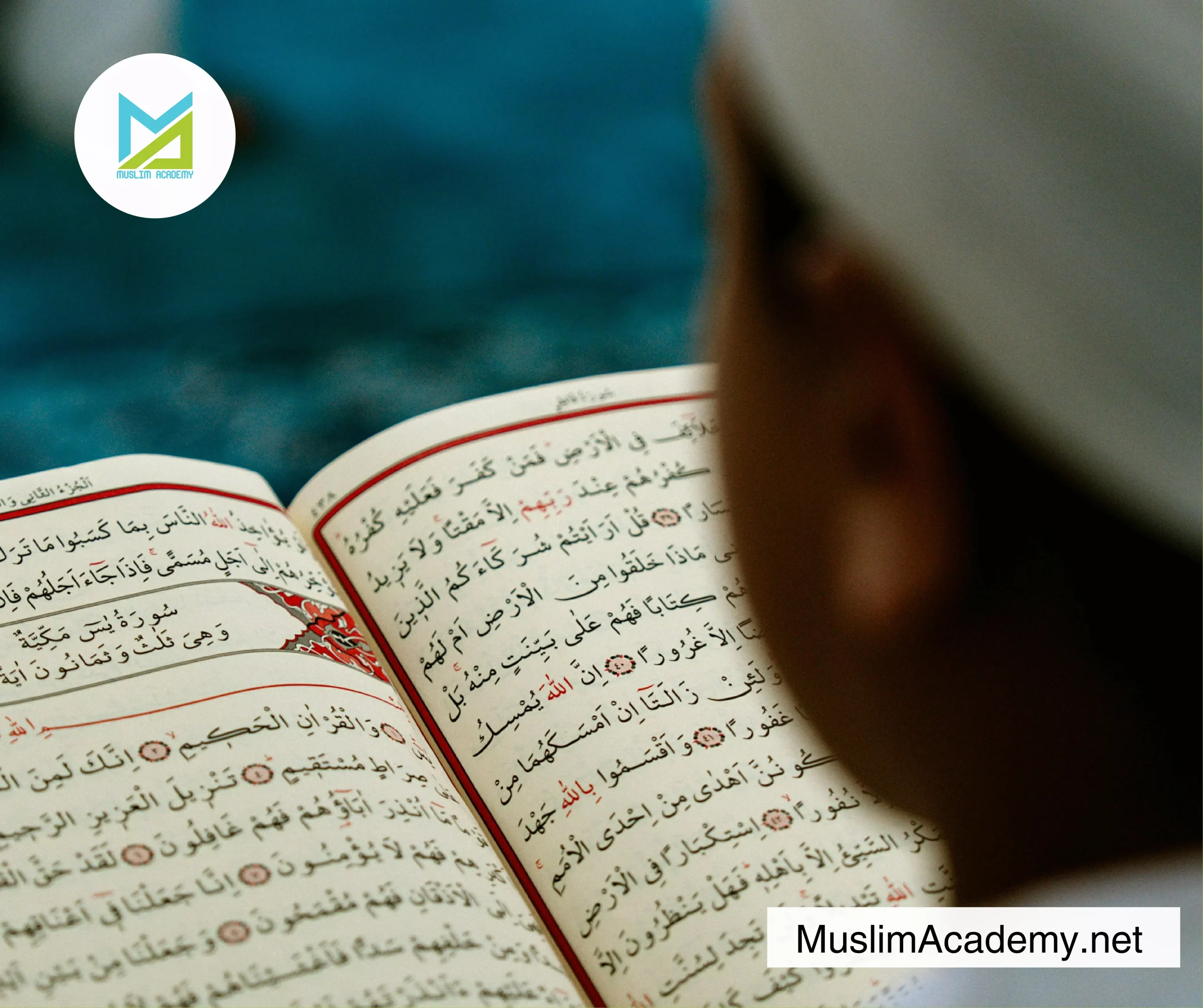
The Story of the City: Faith Under Pressure
One of the most memorable narratives in Surah Yasin concerns a city whose inhabitants rejected the messengers sent to them. First, two messengers arrived. Then a third joined them to strengthen the message. Nevertheless, the city’s people dismissed all three. They accused them of being merely human. They insisted the messengers brought bad omens. They threatened them with punishment.
At this point, a single man came running from the far side of the city. He urged his community to follow the messengers. Moreover, he declared his own faith openly, without hesitation or apology. The community killed him for this. Yet Allah immediately honored him with paradise, and the Quran preserved his words and his courage for every generation that reads them afterward.
This story teaches several truths at once. First, genuine faith sometimes demands standing alone against a hostile majority. Second, the reward for that courage does not wait until some distant future — it arrives immediately in divine recognition and eternal honor. Furthermore, the story shows that rejection of truth does not neutralize truth itself. The message remains valid regardless of how many people refuse it.
Creation as Evidence: The Signs in the Natural World
After the city narrative, Surah Yasin directs the reader’s attention outward — toward the earth, the sky, and everything between them. This transition is deliberate and beautifully executed. The surah points to grain growing from dead soil, gardens producing fruit, springs flowing upward through the ground, the sun moving in its fixed orbit, the moon cycling through its phases, and ships crossing the open sea.
Each of these examples serves a specific purpose. Together, they build a layered and cumulative case for a Creator who designs, sustains, and governs the entire natural order. Moreover, the surah presents these as signs specifically for people who reflect. The word used in Arabic — ya’qilun, meaning those who use reason — signals that engaging with these signs is an intellectual as much as a spiritual activity. Consequently, the surah invites both the heart and the mind into the encounter with creation.
The Case for Resurrection
Among the theological arguments in Surah Yasin, the defense of resurrection stands out for its directness and clarity. The surah does not sidestep the objection that skeptics raised. Instead, it meets the argument head-on. One man picks up a decayed bone and crushes it, asking mockingly how such dust could ever live again. The answer that follows is precise: the One who created that bone the first time from nothing holds the power to recreate it. Furthermore, a single divine command — Kun, meaning “Be” — is all that creation and recreation ever require.
Additionally, the surah draws on the image of dry earth receiving rain and producing green, living growth. Every person who has witnessed a landscape transform after rainfall already understands this argument intuitively. Death, therefore, is not destruction. Rather, it is a form of rest before renewal. The surah does not offer this as speculation — it presents it as a certainty grounded in observed reality.
Reading Surah Yasin with Muslim Academy: When and Why Muslims Recite It
The traditions surrounding the recitation of Surah Yasin are rich, varied, and deeply rooted in Muslim communities worldwide. Many Muslims recite it on Thursday nights or Friday mornings, connecting the chapter to Jumu’ah — the blessed and elevated day of congregational prayer. Others recite it beside individuals who are dying, seeking mercy and ease for the departing soul. Moreover, communities frequently gather in the days following a death to recite it collectively, finding shared comfort in its words.
Daily recitation also holds an important place in Muslim practice. Many families begin their mornings with Surah Yasin as a way of seeking blessings and setting a spiritual tone for the hours ahead. Students often memorize it early in their Quranic education, since its length and structure make it both a meaningful challenge and a deeply rewarding achievement. Furthermore, reading Surah Yasin with Muslim Academy before travel is a common practice in many Muslim cultures, reflecting trust in divine protection and care.
It is important to note that scholars examine the chains of transmission of specific hadith about this surah carefully. Some narrations praising particular virtues of Surah Yasin carry weak chains. However, the general principle encouraging frequent and devoted Quran recitation rests on strong and well-established evidence. Consequently, the practice of regularly returning to this chapter has firm scholarly support.
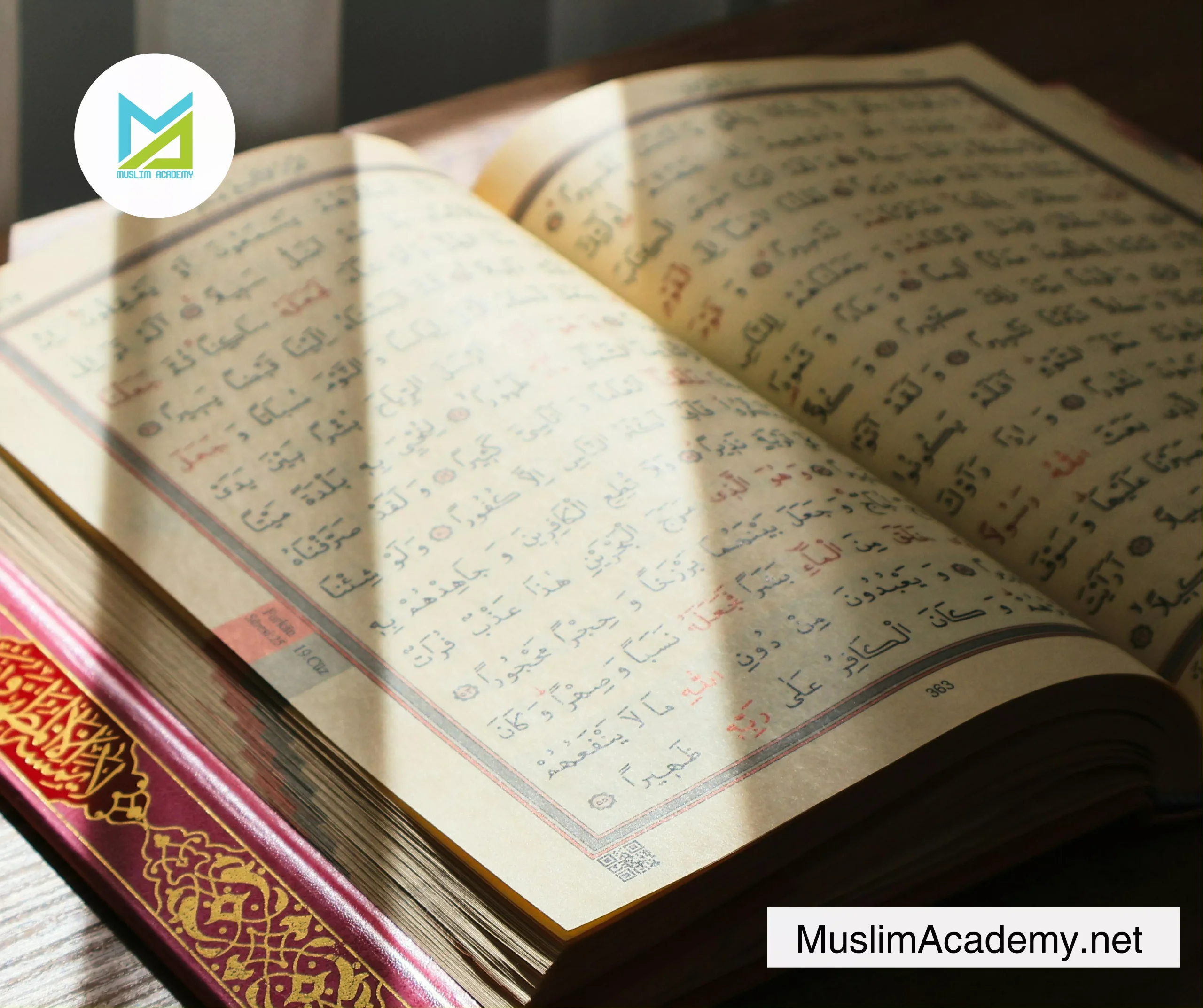
How to Approach the Recitation With Care
Proper preparation elevates the act of recitation significantly. First, perform wudu — ritual purity — and choose a quiet, clean place to sit. Then begin with Ta’awwudh, seeking refuge from distraction and spiritual interference, followed by Bismillah ir-Rahman ir-Rahim. These opening steps are not mere formality. Rather, they orient the mind and signal that what follows deserves full attention.
Read slowly. Rushing through verses defeats the purpose of recitation entirely. Tajweed — the science governing correct Quranic pronunciation — assigns each letter its precise articulation point and each verse its appropriate rhythm and pause. Rather than memorizing rules in isolation, many learners find it far more effective to listen first to a skilled and certified reciter. The ear absorbs what the tongue must later produce. Over time, this listening builds an intuition that no rulebook alone can provide.
Pairing recitation with understanding deepens the experience further. A reliable translation read alongside the Arabic opens the surah’s content to the reader’s full awareness. Moreover, understanding the meaning allows personal reflection to arise naturally during recitation. A verse about creation can prompt genuine gratitude. A verse about resurrection can ease fear. A verse about rejected prophets can offer comfort to anyone who has ever stood alone for what is right.
Teaching the Next Generation
Introducing Surah Yasin to children early in life is a lasting and meaningful gift. Young minds absorb language and melody with remarkable ease and speed. Therefore, consistent listening before active memorization begins creates deep familiarity before formal effort starts. By the time a child sits down to memorize, the verses already feel known and natural.
Short, daily sessions consistently outperform long, infrequent ones. Celebrating progress at every stage — five verses memorized, then fifteen, then thirty — builds confidence and sustains motivation. As children mature, introducing the meaning through simple and genuine questions strengthens their relationship with the text enormously. What does this verse describe? What does it reveal about Allah’s power? What does it ask the reader to feel or do? These conversations plant roots that hold through every season of a growing life.
A Tradition That Belongs to Every Generation
Every person who sits down today to engage with Surah Yasin joins a practice that stretches back fourteen centuries without interruption. Across continents, languages, and vastly different circumstances, this chapter has accompanied human beings through births and deaths, through journeys and homecomings, through crisis and calm. Nevertheless, it is not a relic of the past. On the contrary, it remains entirely alive and entirely present.
New voices recite it every morning. Young students discover it for the first time in classrooms from Senegal to Indonesia. Converts encounter it and feel something settle within them that they have been searching for without knowing its name. Surah Yasin endures because the questions it answers — about meaning, death, creation, and divine care — never grow old. Consequently, every generation finds in it exactly what they need.
Conclusion
Surah Yasin earns its honored place at the center of Muslim devotional life through the strength and clarity of its message. Its arguments are honest. Its beauty is undeniable. Its emotional range moves from firm warning to tender mercy without losing coherence or force. Therefore, reading Surah Yasin with Muslim Academy with sincerity, proper preparation, and genuine reflection is to do what Muslims have always done: turn toward the Quran for what the world alone cannot offer. The tradition is open. The surah is waiting. The only step remaining is the one you choose to take.