
Start Online Quran Classes with Muslim Academy
https://muslimacademy.net/index.php/free-trial/
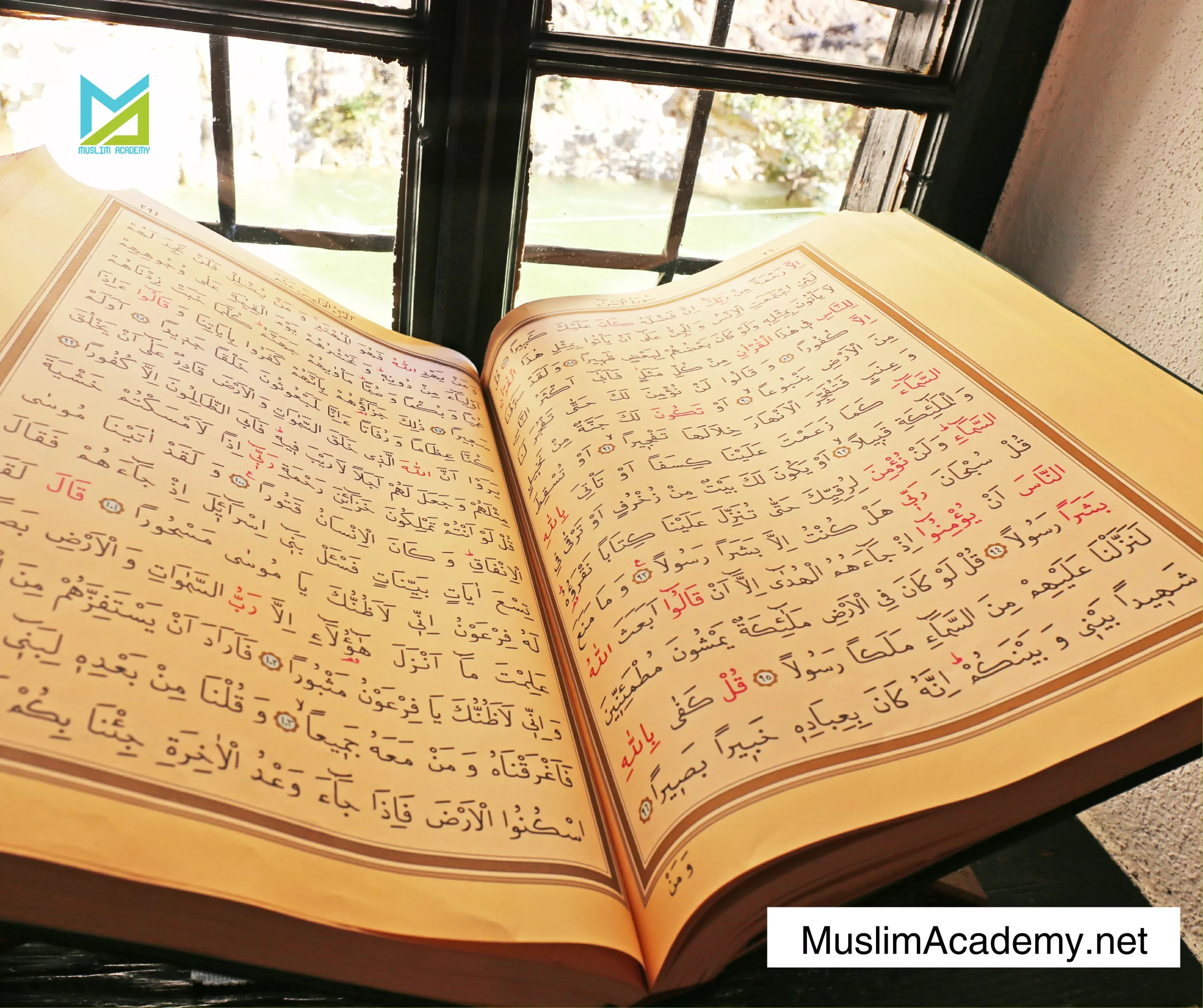
The recitation of the Quran represents one of the most important acts of worship in Islam, and to perform this sacred act with excellence requires understanding and mastering the principles that govern proper pronunciation and melodious recitation. Tajweed, an Arabic word meaning “improvement” or “refinement,” refers to the science of reciting the Quran with precision, clarity, and proper technique. The Rules of Tajweed with Muslim Academy provide believers with a comprehensive system of guidance that ensures every letter is pronounced correctly, every word is articulated clearly, and the entire recitation flows with appropriate rhythm and beauty. These rules have been meticulously preserved and transmitted through generations of Islamic scholars and reciters, creating a standardized approach to Quranic recitation that maintains consistency across the Muslim world.
Understanding Tajweed: The Foundation of Quranic Excellence
Tajweed is far more than simply reading the Quran correctly; it is a sophisticated discipline that combines linguistic knowledge, phonetic precision, and aesthetic sensibility. The purpose of studying tajweed is to honor the divine word by reciting it as it was revealed to the Prophet Muhammad, ensuring that no letters are lost, distorted, or mispronounced.
The history of tajweed extends back to the time of the Prophet Muhammad himself, who recited the Quran with meticulous care and taught his companions to do the same. Throughout Islamic history, scholars have continued this tradition, developing a detailed system of rules that ensure consistency in Quranic recitation. These rules were eventually codified in written form, making tajweed an established branch of Islamic knowledge accessible to learners everywhere.
Understanding the importance of tajweed begins with recognizing that the Quran is not merely content to be consumed but a sacred text whose form and sound carry profound spiritual significance. The Quranic text itself emphasizes the importance of recitation, with numerous verses encouraging believers to recite the Quran with reverence and care. This divine emphasis on proper recitation underscores the spiritual importance of mastering tajweed principles.
The Primary Objectives of Tajweed Study
Learning the Rules of Tajweed with Muslim Academy serves multiple interconnected objectives that together create a comprehensive approach to Quranic recitation. The first and most fundamental objective is to ensure the proper pronunciation of every letter and sound in the Quranic text. This involves understanding the characteristics of each Arabic letter, including its point of articulation, its manner of articulation, and the qualities it possesses.
The second objective is to protect the Quran from corruption and distortion. Throughout history, languages naturally evolve and change, with pronunciations shifting across generations and regions. By establishing and maintaining strict rules of recitation, the Islamic tradition ensures that the Quranic text remains phonetically unchanged despite the natural evolution of the Arabic language in everyday speech.
The third objective relates to the spiritual and aesthetic dimension of Quranic recitation. Proper application of tajweed principles results in recitation that is not only correct but also beautiful and moving. This beauty serves to inspire hearts, focus minds, and create a deeper emotional connection between the reciter and the divine words being recited.
The Major Categories of Tajweed Rules
The Rules of Letter Articulation
At the heart of tajweed study lies understanding the characteristics and articulation points of the twenty-eight Arabic letters. Each letter possesses distinctive qualities that must be preserved during recitation. The articulation point refers to the specific location in the mouth or throat where a particular letter is pronounced, whether in the lips, teeth, palate, or elsewhere.
Understanding these articulation points is essential because pronouncing a letter from an incorrect location fundamentally changes the letter’s identity and can alter the meaning of words. Arabic listeners, particularly those familiar with the Quran, immediately notice when a letter is mispronounced, making precise articulation a matter of both religious correctness and respect for the language.
The Rules of Letter Characteristics
Beyond knowing where to articulate each letter, reciters must understand the inherent qualities and characteristics of each letter. Some letters are pronounced with force and emphasis, while others require softness and delicacy. Some letters are voiced, with the vocal cords vibrating during pronunciation, while others are voiceless. These characteristics must be preserved consistently to maintain the authenticity of Quranic recitation.
The Principles of Connecting Letters in Words
Tajweed addresses not only how individual letters are pronounced but also how they behave when connected to other letters within words. The connection between letters can affect their pronunciation, requiring adjustments in how adjacent letters are articulated. This principle prevents the fragmented, unnatural pronunciation that would result if each letter were pronounced in isolation.
The Rules Of Tajweed with Muslim Academy and Their Application
Elongation and Vowel Duration
One of the most important rules in tajweed concerns the duration of vowels and how letters should be elongated. The Quran employs three primary vowel marks—fatha, kasra, and damma—each of which affects both the sound and the duration of pronunciation. Proper application of elongation rules ensures that vowels receive their full duration while maintaining appropriate rhythm.
The study of Madd, or vowel elongation, involves understanding various categories of elongation, including natural elongation and extended elongation. Each category has specific rules governing when it applies and how long the elongation should be held. Mastering these rules requires careful listening, observation of skilled reciters, and deliberate practice.
Assimilation and Gemination Rules
Another critical aspect of tajweed involves understanding how certain letters behave when they appear in sequence. In some cases, two identical letters that appear together merge into a single elongated sound, a phenomenon known as gemination. In other situations, a letter influences the pronunciation of an adjacent letter through assimilation, where one letter partially or completely takes on characteristics of a neighboring letter.
These rules prevent the awkward and unnatural pronunciation that would result from treating each letter independently. They represent the natural flow and elegance of the Arabic language when spoken by native speakers familiar with these principles.
Rules of Stopping and Pausing
Tajweed also governs where reciters may pause and stop during recitation, as well as how such pauses should be executed. Understanding appropriate stopping points is essential for maintaining clarity and preserving meaning. Some words or phrases naturally conclude thoughts and provide logical stopping points, while others do not, and stopping in the wrong place could confuse the meaning or create grammatical inconsistencies.
The rules distinguish between completely permissible stopping points, discouraged but technically allowable stops, and absolutely prohibited stopping points. These distinctions reflect deep linguistic and theological understanding of how meaning is constructed in the Quranic text.
The Characteristics of Letters in Tajweed
Heaviness and Lightness
Some Arabic letters possess an inherent heaviness that requires them to be pronounced with emphasis and weight, while others are light and delicate. This distinction affects how the letter is articulated and how it influences adjacent letters. Maintaining these characteristics ensures authentic recitation that preserves the distinction intended by the Quranic text.

Moist and Dry Letters
Letters are also classified according to whether they are pronounced with moisture and relaxation or with dryness and tension. This classification reflects the physical manner in which the letters are articulated and contributes to the overall texture and flow of recitation.
Silent and Sounding Letters
Understanding which letters are pronounced with sound and which remain relatively silent is crucial for tajweed study. This distinction affects how letters function in words and how they interact with adjacent letters, influencing the overall pronunciation pattern.
The Hamzah and Its Rules in Tajweed
The hamzah, represented by an alif with a diacritical mark, presents unique challenges in Quranic recitation. This guttural sound requires careful articulation from a deep position in the throat. The Rules of Tajweed with Muslim Academy include specific guidance for pronouncing hamzah correctly and for handling situations where hamzah appears in different positions within words or at the junction between words.
Proper handling of hamzah is particularly important because it affects the clarity and ease of recitation. Skilled reciters manage hamzah pronunciation gracefully, neither suppressing it nor exaggerating it, achieving a balance that serves the Quranic text authentically.
The Relationship Between Tajweed and Meaning
An important aspect of tajweed study is recognizing that proper recitation is intimately connected to preserving and conveying the intended meaning of the Quranic text. When letters are mispronounced or rules are not followed correctly, not only is the sound distorted, but the meaning can be altered or obscured.
For example, the mispronunciation of a single letter can transform one word into another word with a completely different meaning. This demonstrates that tajweed is not merely a technical exercise in phonetics but a fundamental requirement for preserving the Quran’s message with accuracy and fidelity.
Levels and Methods of Tajweed Study
The Beginner Level
Students beginning their journey with tajweed typically start by learning the Arabic alphabet, understanding the articulation points of each letter, and practicing basic pronunciation. This foundational stage is essential, as errors in basic pronunciation become difficult to correct later in the learning process.
The Intermediate Level
As students progress, they encounter increasingly complex rules involving letter combinations, assimilation, elongation, and stopping rules. At this level, learners begin to read connected passages of the Quran while applying these rules with conscious effort and deliberate attention.
The Advanced Level
Advanced students work toward developing such fluency with tajweed rules
that proper recitation becomes nearly automatic. At this level, reciters can
apply rules with minimal conscious thought, similar to how native speakers
apply grammar rules in their native language without thinking about them explicitly.
Conclusion
The study and mastery of tajweed represent a commitment to honoring the
The user went through an excellent recitation. From the basic articulation of individual
letters to the complex rules governing letter combinations and elongation,
tajweed provides a complete system for reciting the Quran with precision and beauty.
Those who undertake this journey discover that tajweed study is both
intellectually engaging and spiritually rewarding. It deepens appreciation for
the Quranic text, strengthens connection to Islamic heritage, and contributes
to personal spiritual development. Whether pursued through formal
instruction, group study, or dedicated self-study, engaging with the Rules of
Tajweed with Muslim Academy opens pathways to a richer, more meaningful experience of Quranic recitation.
In conclusion, the preservation and transmission of tajweed knowledge
represents one of the most important services to Islamic civilization. By
maintaining these standards of excellence in recitation, Muslims across the
world ensure that the divine message continues to be conveyed with the
clarity, beauty, and precision that befits the Quran’s sacred status. For anyone
seeking to improve their Quranic recitation, whether as a devout believer or as
a student of Islamic knowledge, the discipline of tajweed offers a
comprehensive, time-tested path to achieving excellence in this most important of Islamic practices.