


Start Online Quran Classes with Muslim Academy
https://muslimacademy.net/index.php/free-trial/
Among the one hundred and fourteen chapters of the Quran, certain surahs carry a presence that believers feel immediately and deeply. Surah Yaseen E Quran with Muslim Academy holds one of the highest places among them. Muslims across every continent return to it throughout their lives — in devotion, in grief, in gratitude, and in the quiet search for spiritual steadiness. Furthermore, the Prophet Muhammad described it as the heart of the Quran, a description that has shaped how Muslims relate to this chapter across fourteen unbroken centuries. This article explores what makes Surah Yaseen so extraordinary, its major themes, its role in Muslim devotional life, and how every reader can engage with it in a way that is both correct and genuinely meaningful.
Background and Context
Surah Yaseen is the thirty-sixth chapter of the Quran. Scholars classify it among the Meccan revelations — those chapters Allah sent down during the early years of the Prophet’s mission. Consequently, its focus falls on the core foundations of Islamic belief rather than on legal guidance or social instruction. It contains eighty-three verses. Moreover, it addresses three of the most universal questions human beings have ever asked: Is there a Creator? Did He send guidance to humanity? And what follows death?
The surah opens with two disjointed Arabic letters — Ya and Seen — whose complete meaning scholars have always attributed to Allah alone. What follows immediately is a divine oath. Allah swears by the wise Quran that Muhammad walks upon a straight path as a true messenger. Additionally, the surah establishes from its opening lines that the purpose of this message is to warn people who have not yet received guidance — and that the human response carries real and lasting weight.
The Heart of the Quran
The Prophet’s description of this surah as the heart of the Quran is among the most repeated statements in Muslim devotional tradition. Just as the heart sustains every organ and limb of the living body, Surah Yaseen E Quran with Muslim Academy concentrates within itself the spiritual core of everything the Quran teaches. Furthermore, its structure supports this description powerfully — moving from theological argument to vivid narrative, from natural observation to direct engagement with doubt, and from firm warning to compassionate consolation, all within eighty-three verses.
The Story of the Rejected Messengers
One of the most striking narratives in the surah concerns a city whose people rejected the messengers Allah sent to them. Two messengers arrived first. Then a third came to strengthen them. Nevertheless, the people dismissed all three. They accused them of bad omens and threatened them with punishment.
At that critical moment, a man came running from the far side of the city. He urged his people earnestly to follow the messengers. Moreover, he declared his own faith openly and without fear. The community killed him for his stand. Yet Allah honored him immediately with paradise and preserved his words and courage in the Quran for every generation that follows. This story teaches that sincere faith sometimes demands standing alone — and that the reward for doing so arrives without delay.
Signs Across the Natural World
After the narrative, the surah deliberately redirects attention toward the created world. Grain grows from dead earth. Gardens produce fruit. The sun holds its precise orbit. The moon moves through its phases with perfect consistency. Furthermore, ships cross open seas in safety. Each of these examples functions as a sign pointing toward a Creator who governs all things with complete precision and care.
Additionally, the surah addresses people who use reason — ya’qilun in Arabic — making clear that honest reflection on the natural world is both an intellectual and a spiritual act. Consequently, observing creation with genuine attention becomes itself a form of worship and recognition.
The Defense of Resurrection
The surah confronts the denial of resurrection directly. A skeptic holds up a crumbled bone and challenges how it could ever live again. The response is immediate: the One who created it from nothing holds full power to recreate it. Moreover, a single command — Kun, meaning “Be” — is all that creation has ever required. Furthermore, the image of dry earth reviving after rain makes the argument accessible to every person who has witnessed a landscape transform after a dry season. Death, therefore, is not an ending. Rather, it is a pause before renewal.
How Muslims Engage With This Surah
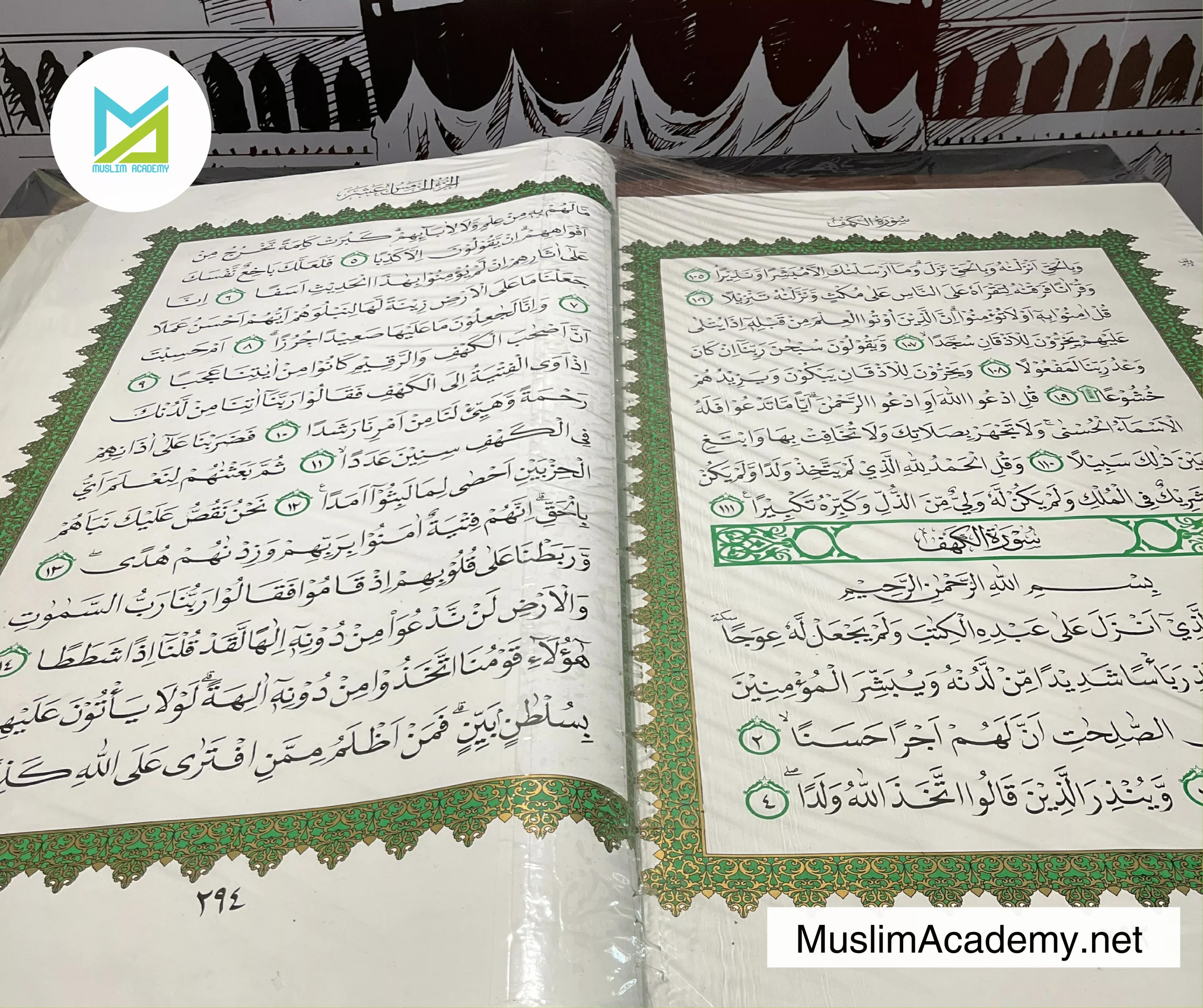
The traditions surrounding this chapter reflect how deeply it has settled into Muslim life worldwide. Many Muslims recite it on Thursday nights and Friday mornings, connecting it to the blessed day of Jumu’ah. Others recite it beside the sick and the dying. Furthermore, communities gather after a death to recite it collectively, finding shared comfort in its familiar verses.
Daily recitation is equally widespread. Families begin their mornings with this surah to seek blessings. Students memorize it as an early and meaningful milestone in their Quranic education. Moreover, travelers recite it before long journeys as an expression of trust in divine protection.
Scholars have studied the hadith narrations about their specific virtues carefully. Some narrations carry weak chains of transmission. However, the broad principle encouraging sincere Quran recitation rests on strong scholarly evidence. Consequently, returning to this chapter regularly holds firm and respected grounding.
How to Approach the Recitation
Good preparation transforms recitation into a genuine encounter. First, perform wudu and choose a quiet, clean space. Begin with Ta’awwudh and Bismillah before starting the surah. Furthermore, read slowly. Tajweed — the science of correct Quranic recitation — applies fully here. Listening to a certified reciter before attempting the surah yourself trains the ear effectively and builds correct habits naturally.
Pairing recitation with meaning deepens the experience significantly. A reliable translation read alongside the Arabic opens the surah’s content to full conscious awareness. Additionally, pausing to reflect when a verse moves you transforms reading from a surface activity into a genuine spiritual encounter. Understanding what you recite allows the words to connect with real questions and real feelings in a way that transforms the entire experience.
Conclusion
Surah Yaseen E Quran with Muslim Academy deserves every moment of attention and devotion that Muslims have given it across fourteen centuries. Its arguments are honest and clear. Its narratives are vivid and instructive. Its emotional range — from warning through evidence to consolation — addresses every dimension of human experience with remarkable completeness. Therefore, approaching this surah with sincerity, preparation, and genuine reflection is to join an unbroken tradition of believers who have found in it exactly what they needed: clarity, comfort, and the steady assurance that the Creator who made them has never stopped speaking to them.