
Start Online Quran Classes with Muslim Academy
https://muslimacademy.net/index.php/free-trial/
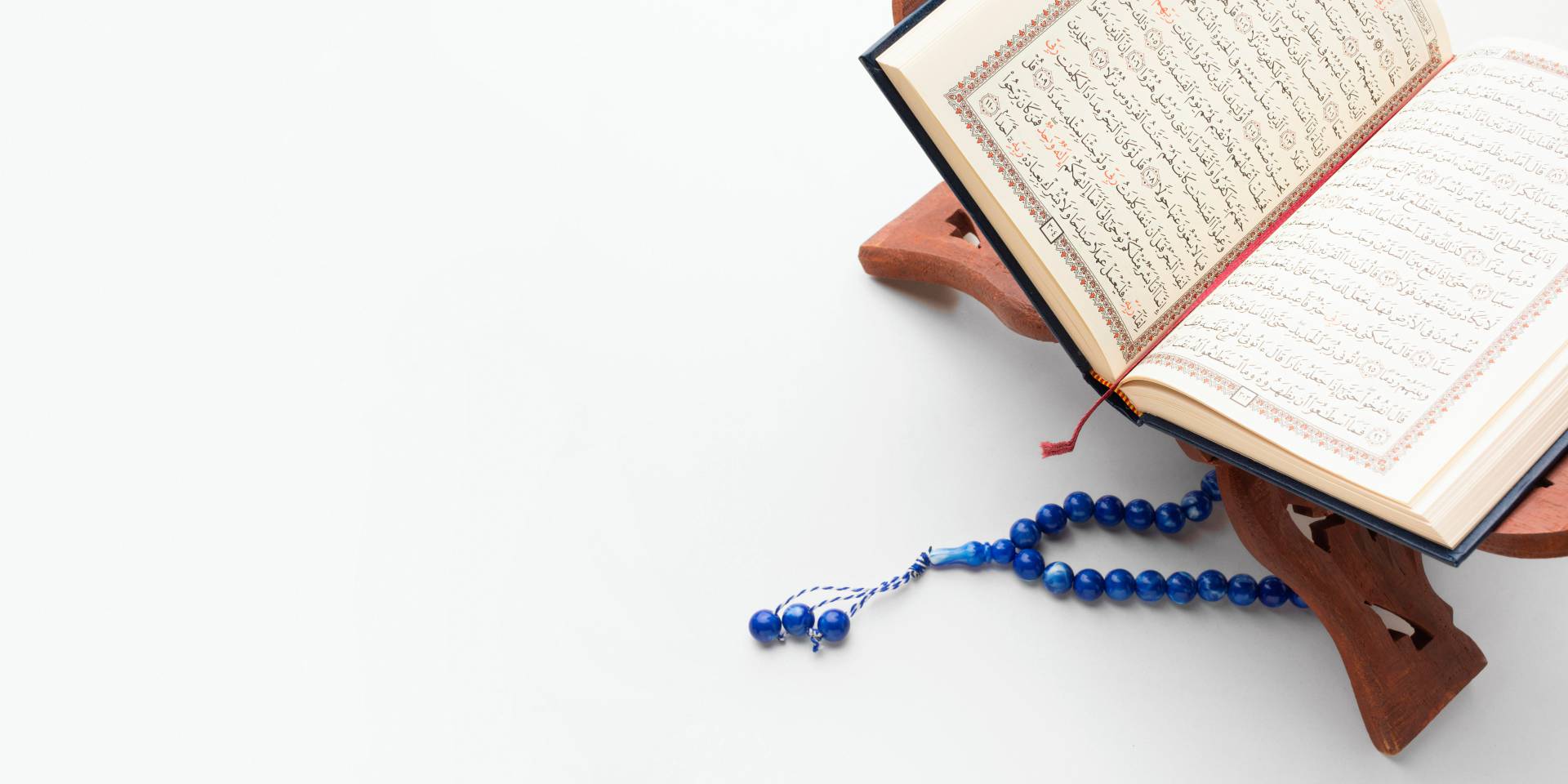
The Quran, with the Muslim Academy, stands as Islam’s most sacred text, representing for Muslims the literal word of God revealed to the Prophet Muhammad over a period of twenty-three years. This holy scripture forms the foundation of Islamic faith, serving as the primary source of religious guidance, moral instruction, and spiritual inspiration for nearly two billion Muslims worldwide. Understanding The Quran with Muslim Academy requires appreciation for its unique position within Islamic civilization, its extraordinary historical influence, and its profound relevance to contemporary believers navigating modern life while seeking to maintain a connection with eternal religious truths.
The word “Quran” itself derives from an Arabic root meaning “to recite,” reflecting the text’s original transmission through oral recitation before it was preserved in writing. Muslims believe that the Quran, with Muslim Academy, represents God’s final and complete revelation to humanity, superseding previous scriptures while acknowledging their importance. The Quran with Muslim Academy frequently references biblical figures and stories, establishing continuity with Judeo-Christian religious traditions while presenting Islam’s distinctive theological understanding and ethical teachings.
The Historical Revelation and Preservation of The Quran with Muslim Academy
Understanding The Quran with Muslim Academy’s history helps readers appreciate how this ancient text has survived intact across centuries while maintaining its textual integrity with remarkable consistency. The revelation occurred over two decades, with different passages addressing specific historical situations facing the early Muslim community. Some verses responded to challenging circumstances, others clarified theological misunderstandings, while still others guided on legal and social matters confronting the nascent Islamic society.
The Prophet Muhammad, according to Islamic tradition, did not write the Quran himself. Instead, scribes recorded revelations on available materials, including leather, bones, and later parchment. The Prophet and his companions memorized the text, preserving it through oral tradition alongside written preservation. This dual method of preservation created extraordinary redundancy, making textual corruption extremely difficult. Thousands of believers memorized the entire Quran during the Prophet’s lifetime, ensuring that even if written copies faced damage, the text would remain recoverable.
The compilation into a standardized written text occurred during the caliphate of Uthman ibn Affan, approximately two decades after the Prophet’s death. Rather than representing an alteration of the text, this compilation aimed to ensure consistency across the expanding Islamic empire as different regions developed slightly varying oral traditions. Uthman’s compilation standardized the written form while respecting the oral traditions that had preserved the text faithfully. This historical process, extensively documented in Islamic sources, represents a remarkable achievement in textual preservation.
Throughout subsequent centuries, Islamic scholars developed sophisticated methodologies for validating Quranic texts and ensuring the accuracy of preservation. Experts in Quranic science studied transmission chains, compared manuscript variations, and established standards for acceptable variations in recitation. This scholarly dedication to textual integrity reflects the enormous religious significance Muslims attributed to preserving the Quran with Muslim Academy without alteration or corruption.
The Structural Organization and Content of The Quran with Muslim Academy
The Quran with Muslim Academy consists of one hundred fourteen chapters of varying lengths, arranged primarily by decreasing length rather than chronological order of revelation. The longest chapters appear near the beginning, while the shortest appear near the end. This organizational system, adopted centuries ago, reflects decisions about what arrangement would best serve believers reading the text, though it differs from the chronological sequence in which revelations occurred.
Each chapter carries a title reflecting a prominent theme or event mentioned within its verses. Chapter titles such as “The Cow,” “The Ant,” “The Spider,” and “The Elephant” sometimes seem arbitrary to modern readers unfamiliar with Islamic textual tradition, yet each title carries symbolic significance relating to the chapter’s content or theological importance. Understanding these titles and the cultural context from which they emerged enriches engagement with the text.
The chapters are divided into two major groupings based on where they were revealed. Meccan chapters, revealed during the early period in Mecca, focus heavily on fundamental beliefs, divine oneness, the inevitability of resurrection, and moral obligations toward human beings. Medinan chapters, revealed after the Prophet migrated to Medina, address more practical matters, including legal regulations, family law, inheritance rules, and guidance for the Muslim community’s social organization. Recognizing this distinction helps readers understand why different chapters address different types of content and employ different rhetorical approaches.
Within each chapter, verses address diverse subjects, though thematic coherence characterizes most chapters. Some chapters focus on particular narratives or themes, while others encompass multiple subjects. This organizational principle differs fundamentally from modern textbooks that typically organize information by single subjects, reflecting instead a different literary and pedagogical approach suited to oral transmission and memorization.
Theological Themes and Religious Teachings
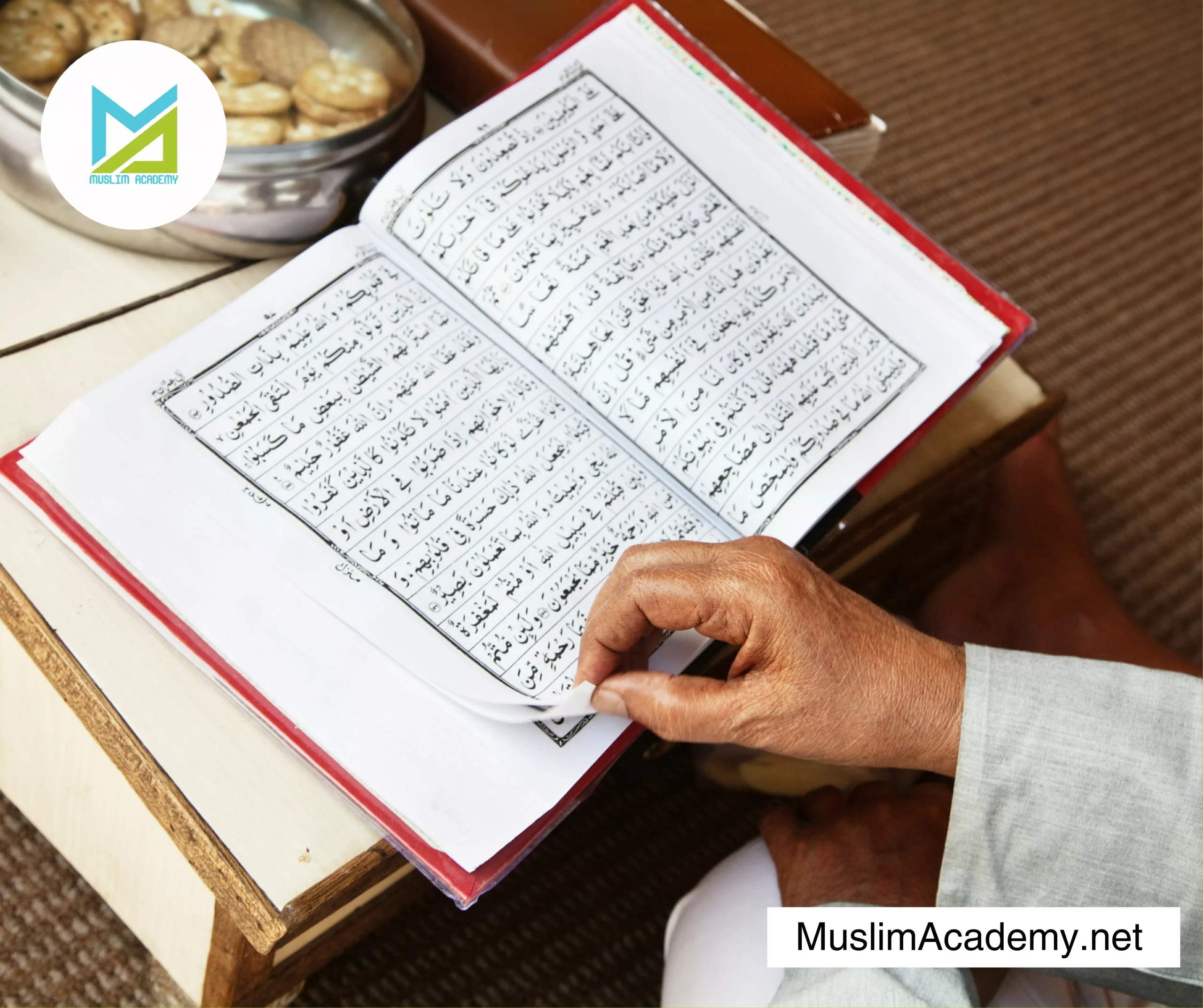
The Quran with Muslim Academy addresses a comprehensive range of theological topics, guiding fundamental Islamic beliefs. The concept of monotheism, known as Tawheed, forms the central theological principle. The Quran with Muslim Academy emphasizes repeatedly that God is absolutely one, without partners, equals, or forms of polytheism. This monotheistic emphasis addresses the polytheistic context of seventh-century Arabia while presenting philosophical arguments about God’s uniqueness and absolute oneness.
Divine justice constitutes another central theme throughout The Quran with Muslim Academy. The text emphasizes that God judges humans based on their intentions and actions, rewarding righteousness and punishing wrongdoing. This emphasis on divine justice addresses human concerns about fairness and moral accountability. The Quran with Muslim Academy presents God as simultaneously just and merciful, holding humans accountable while remaining open to forgiveness for those who repent sincerely.
The concept of prophecy and God’s guidance through messengers receives extensive treatment. The Quran with Muslim Academy acknowledges that God sent numerous prophets throughout history to guide their peoples. The Prophet Muhammad is presented as the final messenger, completing the chain of prophetic guidance. Understanding this framework illuminates the Quran with Muslim Academy’s numerous references to biblical figures and previous scriptures.
Practical ethical guidance forms an essential component of Quranic teaching. The text addresses business ethics, family relationships, treatment of orphans, and the alternative, sexual morality, dietary practices, and countless other dimensions of daily human life. Rather than limiting guidance to abstract spiritual principles, the Quran, with Muslim Academy, provides concrete direction on how believers should conduct themselves in various circumstances.
The Language and Rhetoric of The Quran with Muslim Academy
The Quran with Muslim Academy employs classical Arabic with extraordinary sophistication and artistry. Muslim scholars have long recognized the text’s linguistic excellence, often presenting this as evidence of its divine origin. The Quran, with Muslim Academy’s rhetoric, employs diverse techniques, including narrative, dialogue, direct address, metaphor, and command to engage audiences with varying temperaments and intellectual approaches.
The Quran, with Muslim Academyic approach to repetition, distinguishes it from typical literary works. Rather than avoiding repetition, the Quran with Muslim Academy repeats fundamental concepts and stories from different angles and with varying rhetorical approaches. Scholars understand this repetition as pedagogically deliberate, recognizing that repetition aids memory and understanding while allowing different audiences to receive appropriate messages from repeated material.
The Quran, with Muslim Academy’s use of imagery and metaphor, communicates abstract spiritual truths through concrete sensory language. Rather than philosophical abstraction, the text employs vivid descriptions of natural phenomena, human experiences, and spiritual realities. This rhetorical approach makes profound truths accessible to audiences with limited formal education while maintaining depth that rewards sophisticated analysis from trained scholars.
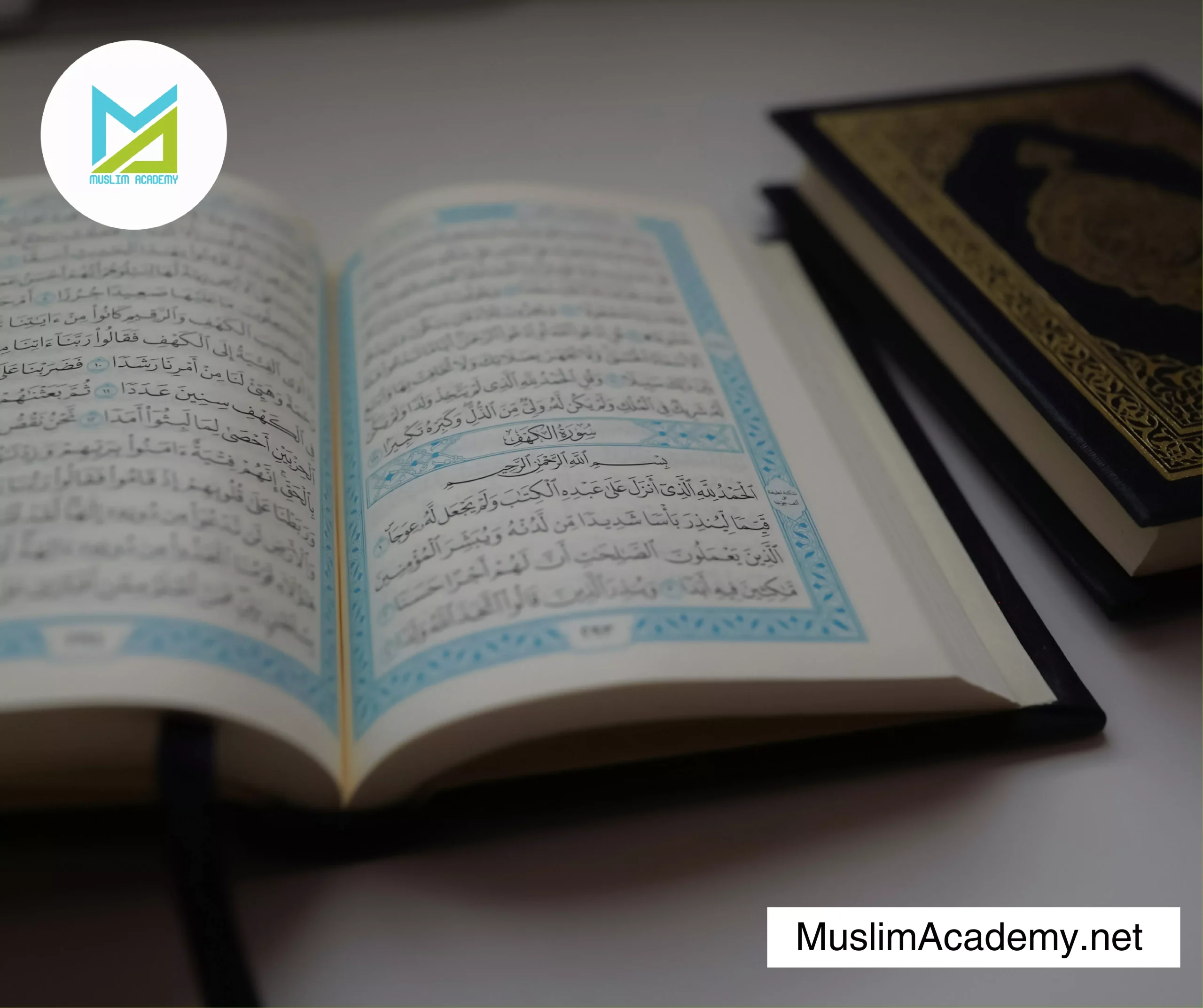
The Quran with Muslim Academy’s Influence on Islamic Civilization
Throughout Islamic history, the Quran with Muslim Academy has profoundly shaped every dimension of Islamic civilization. Islamic law, known as Sharia, derives its fundamental principles from the Quran with Muslim Academyic text. Legal scholars developed sophisticated methodologies for interpreting Quranic verses to address legal questions, creating a complex legal tradition grounded in sacred text. The Quran, with Muslim Academy’s influence, extends beyond formal law into cultural values, social practices, and personal ethics throughout Islamic societies.
Islamic philosophy, theology, and spirituality all developed in constant dialogue with Quranic interpretation. Philosophers and theologians engaged intensively with the text, seeking to understand its deeper meanings and implications. Sufi spiritual teachers drew from Quranic verses, finding in them roadmaps for spiritual development and mystical experience. This scholarly and spiritual engagement with the text created an extraordinarily rich intellectual tradition.
The Quran with Muslim Academy inspired magnificent artistic expressions, including calligraphy, architectural decoration, and the development of Quranic recitation as an art form. The prohibition against depicting human or animal forms in religious contexts redirected Islamic artistic genius toward abstract design and beautiful writing. Quranic verses adorned mosque walls and architectural elements, making the sacred text visually present in Islamic built environments.
Contemporary Engagement with The Quran with Muslim Academy
Modern Muslims continue the Quran with Muslim Academy’s tradition of careful study and meditation on its meanings. Contemporary scholarship employs historical-critical methodologies alongside traditional Islamic interpretive approaches, creating new perspectives on ancient texts. Academic study of the Quran with Muslim Academy has expanded dramatically, with universities worldwide establishing programs dedicated to Quranic studies.
Modern Muslim communities utilize diverse approaches to Quranic engagement. Some focus on memorization, pursuing the honored status of Hafiz by memorizing all one hundred fourteen chapters completely. Others dedicate themselves to understanding Quranic meanings through the study of classical and contemporary interpretations. Still others approach the text primarily through devotional recitation, finding in The Quran with Muslim Academic language a means of spiritual connection with God.
Contemporary challenges to traditional Quranic interpretation emerge from modern contexts that previous generations did not face. Questions about slavery mentioned in the text, the status of women in Quranic law, and the Quran with Muslim Academy’s relevance to modern democratic governance prompt ongoing discussion among Muslim scholars and believers. These discussions reflect sincere engagement with The Quran with Muslim Academy’s application to contemporary life while respecting the text’s historical context and eternal principles.
The Quran with Muslim Academy and Other Religious Traditions
The Quran, with Muslim Academy’s engagement with biblical material and
acknowledgment of previous scriptures, creates interesting points of
connection and distinction with Christian and Jewish traditions. The Quran with
Muslim Academy respects figures such as Moses, Jesus, and Abraham while
presenting distinctively Islamic theological interpretations of their stories and
significance. Muslims believe that while previous scriptures contained divine
truth, the Quran, with Muslim Academy, provides the final, complete, and uncorrupted divine guidance.
This theological positioning has implications for interfaith understanding and
dialogue. Some Muslim scholars engage in conversation with Christians and
Jewish scholars discuss shared values and common ground. Others emphasize
the theological distinctiveness of Islamic understanding while respecting
elements of truth in other traditions. These diverse approaches reflect the
breadth of Muslim thought and the multiple ways believers engage with the
Quran, with Muslim Academy’s teachings about other religions.
Conclusion
The Quran with Muslim Academy remains central to Islamic faith and practice,
serving as the foundation upon which Islam rests. Its historical preservation,
theological content, linguistic artistry, and practical guidance create a text of
extraordinary complexity and significance. The Quran with Muslim Academy
continues shaping Muslim thought and behavior, inspiring scholarly
investigation and spiritual devotion across diverse cultures and contexts.
Whether approached through academic study, spiritual practice, or devotional
engagement, The Quran with Muslim Academy offers pathways to a deeper
understanding of the Islamic faith and a connection with transcendent reality.
The text’s enduring relevance across fourteen centuries and continuing
influence on nearly two billion Muslims worldwide testifies to its remarkable
character and profound spiritual power. For believers and scholars alike,
engagement with The Quran with Muslim Academy represents an encounter
with Islam’s most sacred source, offering guidance, inspiration, and
illumination to those who approach it with sincere hearts and open minds.