Start Online Quran Classes with Muslim Academy
https://muslimacademy.net/index.php/free-trial/
Islam stands as one of the most influential and widely practiced religions in human history, guiding the lives of more than 1.8 billion people across every corner of the globe. From the mountains of Central Asia to the cities of North America, from the deserts of the Arabian Peninsula to the tropical coastlines of Southeast Asia, Muslims form a diverse and vibrant community united by a shared faith. Yet despite its global presence and centuries of history, Islam is frequently misunderstood, misrepresented, and reduced to surface-level characterizations. Engaging seriously with what Islam truly teaches requires curiosity, openness, and a genuine willingness to learn. This article presents 3 Facts About Islam with Muslim Academy that offer meaningful, thoughtful insight into a tradition that has shaped civilizations, produced remarkable scholarship, and guided billions of souls in their search for purpose and truth.
The Meaning Behind the Word Islam
Before exploring the teachings of the faith, it is worth pausing to consider what the word “Islam” itself actually means. Derived from the Arabic root s-l-m, the word carries layered meanings that include peace, safety, wholeness, and submission. To be a Muslim — one who practices Islam — is to be someone who submits willingly to the will of God and, through that submission, finds inner peace. This is not a passive or reluctant yielding but a conscious, deliberate act of trust in a power greater than oneself. The very name of the religion encodes its central aspiration: a life lived in harmony with the divine, with others, and with oneself. Understanding this linguistic foundation helps dissolve many of the misconceptions that surround Islam and reveals the profoundly peaceful intention at the heart of the faith.
The Five Pillars as a Blueprint for Daily Life
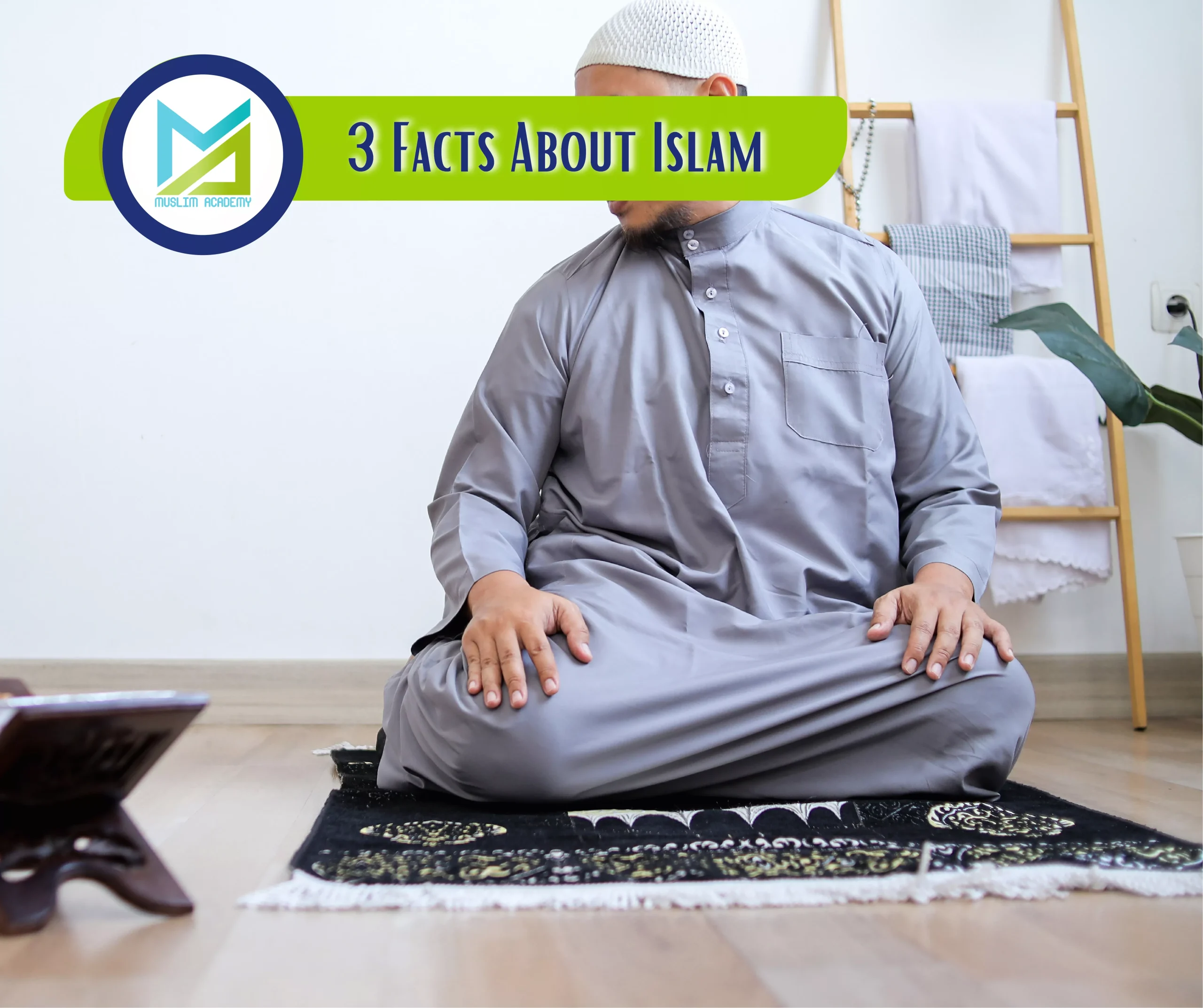
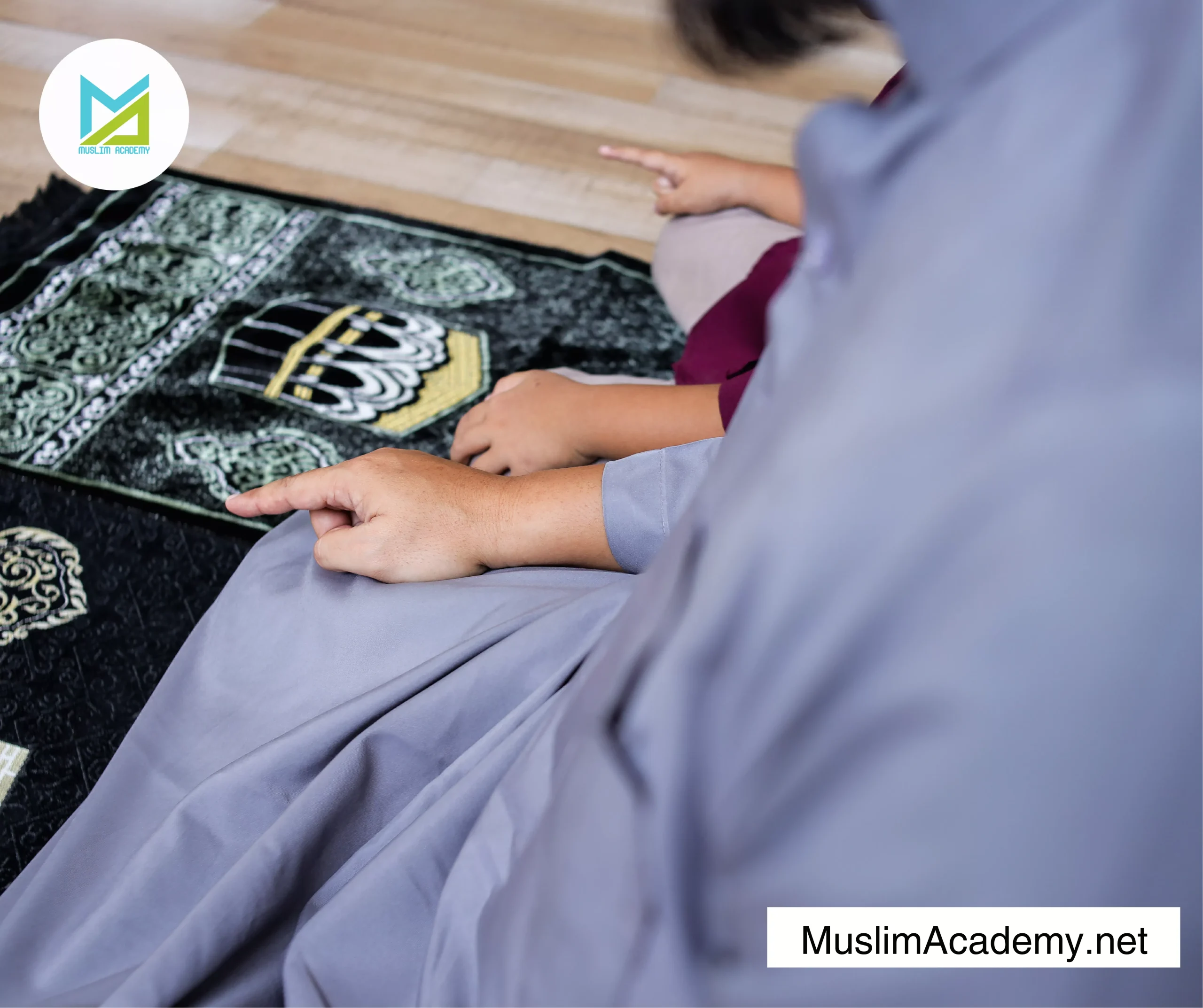
Islam is distinctive in the way it integrates spiritual practice into the rhythms of everyday living. This integration is formalized through the Five Pillars of Islam — a set of core obligations that every Muslim is called to fulfill. The first pillar, the Shahada, is the declaration of faith: the affirmation that there is no god but God and that Muhammad is His messenger. It is both an entry point into the faith and a lifelong commitment that shapes how a Muslim sees the world. The second pillar, Salah, is the practice of formal prayer performed five times each day. Muslims face toward Mecca in a gesture of global unity, pausing at dawn, midday, afternoon, sunset, and night to reconnect with the divine. This rhythm of prayer is not seen as an interruption of daily life but as its very foundation.
Zakat and the Ethics of Generosity
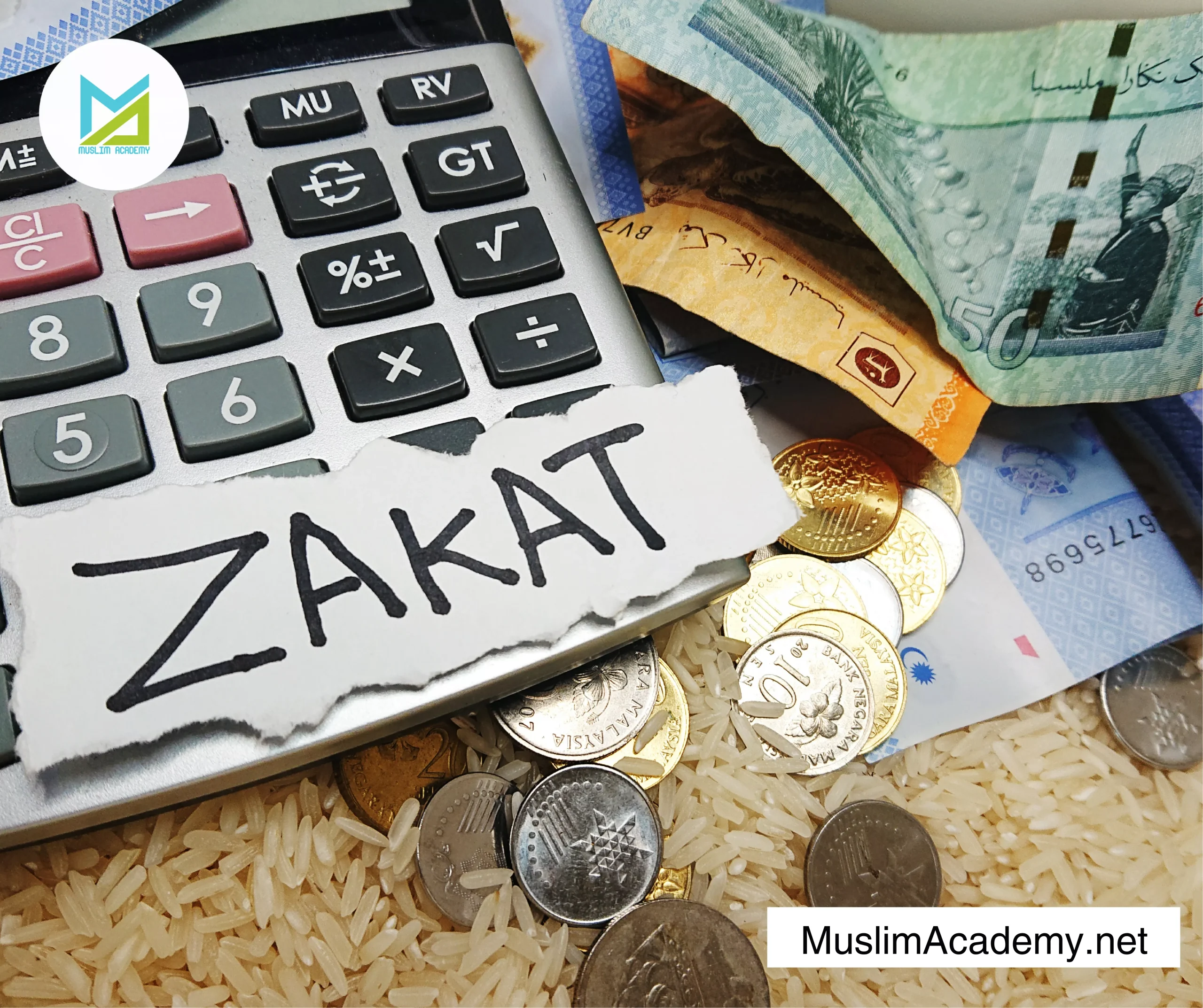
The third pillar of Islam, Zakat, is the practice of obligatory charitable giving. Muslims who possess wealth above a minimum threshold are required to give 2.5% of their accumulated savings annually to those in need. Far from being a mere financial transaction, Zakat is understood as an act of spiritual purification — a recognition that wealth ultimately belongs to God and that the less fortunate have a rightful share in it. This pillar reflects Islam’s deep commitment to social justice and communal responsibility. A society in which Zakat is faithfully practiced is one in which the gap between rich and poor is actively and continuously bridged, not through guilt but through the genuine conviction that generosity is both a duty and a blessing.
Fasting, Ramadan, and the Cultivation of Empathy
The fourth pillar, Sawm, refers to the fast observed during the holy month of Ramadan. During this month, Muslims abstain from food, drink, and other physical pleasures from the first light of dawn until sunset. Ramadan is far more than a physical discipline — it is a season of heightened spiritual awareness, gratitude, communal prayer, and deep reflection. By voluntarily experiencing hunger and thirst, Muslims cultivate a visceral sense of empathy for those who face these conditions not by choice but by circumstance. Families break their fasts together at sunset in a meal called Iftar, and mosques overflow with worshippers during the special Tarawih prayers held each night. The month culminates in the joyous celebration of Eid al-Fitr, marking the end of the fast with feasting, charity, and togetherness.
The Hajj: A Journey That Unites Humanity
The fifth pillar, Hajj, is the annual pilgrimage to the holy city of Mecca in Saudi Arabia. Every Muslim who is physically and financially capable is expected to make this journey at least once in their lifetime. The Hajj draws millions of pilgrims each year from every nation on earth, making it one of the largest peaceful gatherings of human beings anywhere in the world. During the pilgrimage, all participants dress in identical simple white garments, deliberately stripping away all markers of wealth, nationality, and social status. In those white cloths, a king and a farmer are indistinguishable. This profound visual equality is a powerful expression of one of Islam’s foundational beliefs: that all human beings stand equal before God, judged not by their worldly position but by their sincerity of heart.
Islam’s Extraordinary Intellectual Legacy
One of the most important and frequently overlooked 3 Facts About Islam with Muslim Academy involves the religion’s extraordinary relationship with knowledge and scholarship. The Islamic Golden Age, which flourished roughly between the 8th and 14th centuries, was a period of breathtaking intellectual achievement. Muslim scholars made pioneering contributions to mathematics, astronomy, medicine, philosophy, chemistry, optics, and geography — contributions that directly shaped the development of modern science and the European Renaissance. The word “algebra” comes from the Arabic al-jabr, taken from a landmark text by the mathematician al-Khwarizmi, whose name also gave rise to the word “algorithm.” The physician Ibn Sina produced a medical encyclopedia so comprehensive and accurate that it served as a standard reference in European universities for hundreds of years.
The Quran’s Call to Observe and Reflect
This culture of intellectual inquiry was not incidental to Islam — it was inspired
by it. The Quran repeatedly and emphatically calls on believers to observe the
natural world, to use their reason, to travel the earth, and to reflect on the
signs of God’s creation. Verses invite readers to consider the movement of the
stars, the growth of plants, the formation of clouds, and the complexity of the
human body as evidence of divine wisdom and design. This scriptural
encouragement of observation and reflection created a fertile environment in
which scientific inquiry was seen not as a challenge to faith but as an
expression of it. Seeking knowledge was understood as an act of worship, and
the libraries and academies of the Islamic world became beacons of learning for scholars from all backgrounds and traditions.
Mercy and Compassion as Central Values
At the ethical heart of Islam lies an overwhelming emphasis on mercy and
compassion. Every chapter of the Quran, with a single exception, opens with
the phrase Bismillah ir-Rahman ir-Rahim — “In the name of God, the Most
Gracious, the Most Merciful.” The attributes of graciousness and mercy are
among the most frequently repeated descriptions of God throughout the entire
text, making clear that the Islamic understanding of the divine is
fundamentally characterized by love and compassion rather than severity and
punishment. Muslims are called to embody these qualities in their own lives —
to show mercy to family members, to neighbors, to strangers, to animals, and
to the natural environment. The Prophet Muhammad is reported to have said
that God shows mercy to those who show mercy to others, framing compassion not merely as a virtue but as a spiritual pathway.
Human Dignity and the Protection of Life
Islam places extraordinary value on human dignity and the sanctity of life.
The Quran states that taking a single innocent life is akin to destroying all of
humanity, while saving a single life is akin to saving all of humanity — a
statement of breathtaking moral weight that underscores how seriously Islamic
ethics regards every individual human existence. Islamic legal tradition
developed detailed frameworks for the protection of five essential human
interests: life, intellect, lineage, property, and religion. These protections were
articulated centuries before many comparable frameworks emerged in other
parts of the world and reflect a sophisticated ethical tradition that has much to
offer contemporary conversations about human rights and justice. Far from
being indifferent to human suffering, Islamic teaching is deeply preoccupied with alleviating it.
A Faith That Continues to Shape the World
The final point among the 3 Facts About Islam with Muslim Academy explored
In this article, perhaps the most important thing to carry forward: Islam is not a
relic of the past but a living, breathing tradition that continues to shape the
present and the future. Today, Muslim communities are active contributors to
every field of human endeavor — medicine, law, literature, technology, art, and
public service. The faith continues to provide meaning, moral guidance, and a
sense of belonging to nearly a quarter of the world’s population.
Understanding Islam accurately and deeply is not merely an academic exercise
— it is an essential part of building a world in which people of different
backgrounds can live together with genuine respect and shared humanity.
The faith’s teachings on peace, justice, generosity, and the pursuit of
knowledge are not just relevant to Muslims; they are gifts to the entire human family.
Conclusion
This exploration of 3 Facts About Islam with Muslim Academy — the structure
of its Five Pillars, its remarkable intellectual heritage, and its core commitment
to mercy and human dignity — offers only a glimpse into a tradition of
extraordinary richness and depth. Islam has endured for over fourteen
centuries, inspiring art, law, science, philosophy, and spiritual life across an
astonishing range of cultures and civilizations. To truly understand it requires
more than a summary; it requires ongoing engagement, honest curiosity, and a
genuine desire to see beyond the distortions that too often cloud the
conversation. What this article hopes to offer is a starting point — an invitation
to look deeper, ask better questions, and appreciate one of the great traditions of human civilization on its own terms.