Start Online Quran Classes with Muslim Academy
https://muslimacademy.net/index.php/free-trial/
Learning a new language is an exciting and rewarding challenge, and Arabic stands as one of the world’s most widely spoken languages with over 400 million native speakers. Whether you’re interested in exploring the rich culture of the Arab world, connecting with Arabic-speaking communities, or simply challenging yourself with a new skill, Beginner Arabic with Muslim Academy offers an accessible entry point into this fascinating language. This comprehensive guide will help you understand what to expect as you embark on your Arabic learning journey and provide practical advice for success.
Why Learn Arabic?
Before diving into the mechanics of Beginner Arabic with Muslim Academy, it’s worth considering why this language deserves your attention. Arabic is the official language of 26 countries across the Middle East, North Africa, and beyond. It’s the language of the Quran, classical literature, and modern media. Learning Arabic opens doors to understanding diverse cultures, engaging with millions of people, and exploring historical texts that have shaped human civilization.
Beyond cultural significance, Arabic also offers cognitive benefits. Learning a language with a different script and grammar structure strengthens neural pathways and improves overall cognitive function. Arabic learners report enhanced memory, better problem-solving skills, and increased mental flexibility. Additionally, in our increasingly globalized world, Arabic proficiency can enhance career prospects in international business, diplomacy, translation, and many other fields.
Understanding the Arabic Language System
One of the first surprises for Beginner Arabic with Muslim Academy learners is discovering the complexity and beauty of the Arabic writing system. Unlike English, which uses the Latin alphabet, Arabic uses its own script that flows from right to left. This might seem daunting initially, but most learners find they adapt to reading and writing Arabic within a few weeks of consistent practice.
Arabic also has multiple varieties. Modern Standard Arabic, often called Fusha, is the formal written language used in media, literature, and official communications. Alongside this, numerous regional dialects exist, such as Egyptian, Levantine, and Gulf Arabic, each with distinct characteristics. Most Beginner Arabic with Muslim Academy courses start with Modern Standard Arabic because it provides a foundation applicable across the Arab world and is the language of formal writing and media.
The grammar of Arabic differs significantly from English. The language relies heavily on root systems, where most words derive from three-letter roots that can be modified to create different words with related meanings. For example, the root “k-t-b” (related to writing) can become katab (he wrote), kitab (book), maktab (office), and katib (writer). Understanding this root system is crucial for building vocabulary efficiently and understanding word relationships.
Essential Components of Learning Beginner Arabic with Muslim Academy
The Alphabet and Script
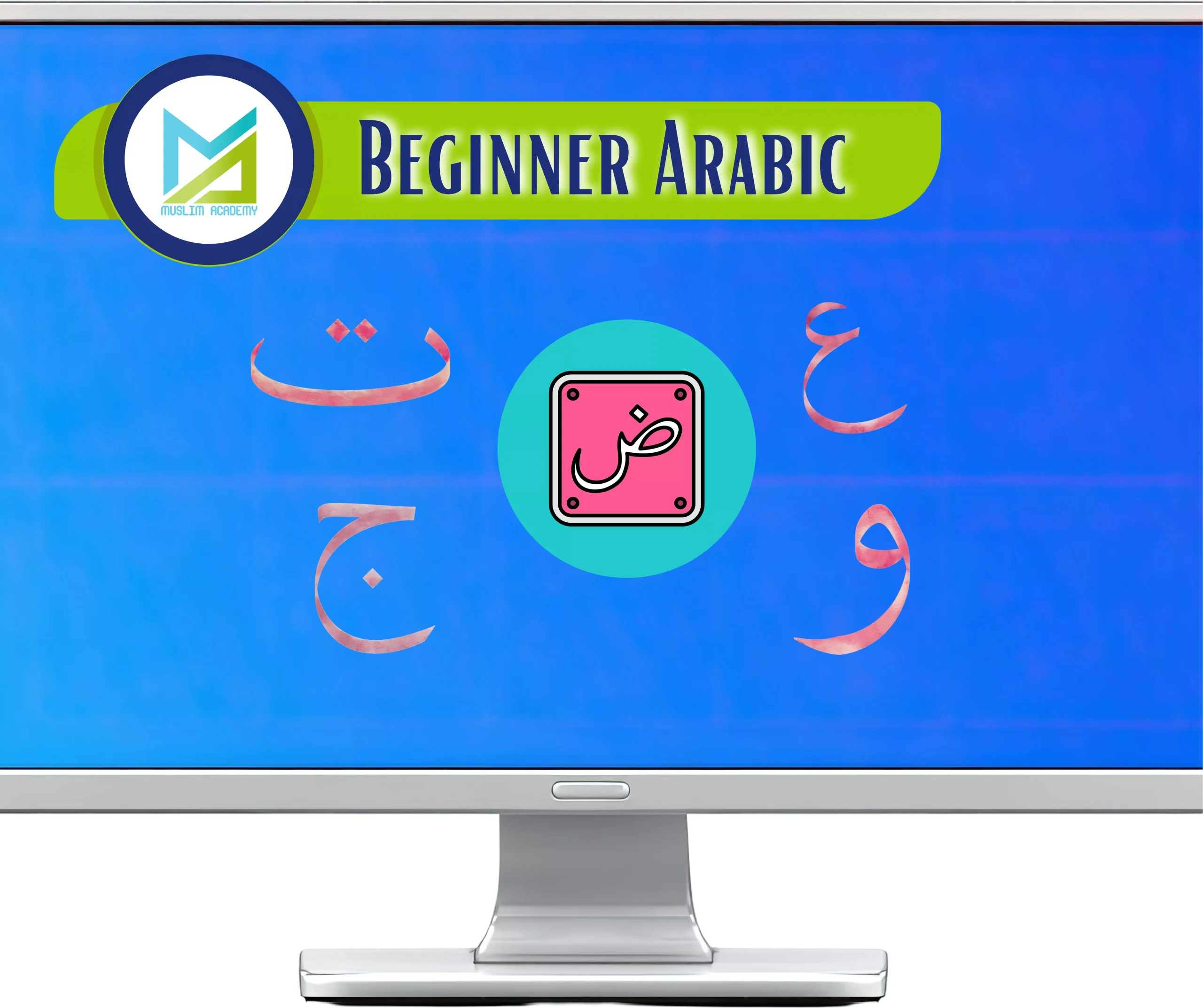
Your first task in learning Beginner Arabic with Muslim Academy involves mastering the alphabet. The Arabic alphabet consists of 28 letters, each with distinct shapes depending on whether it appears at the beginning, middle, or end of a word. While this might sound complicated, the logic behind these variations becomes clear with practice. Allocate at least two to three weeks to becoming comfortable with reading and writing Arabic letters. This foundation will significantly speed up your progress in subsequent stages.
Pronunciation and Phonetics
Arabic contains sounds that don’t exist in English, which is why proper pronunciation practice from the beginning is essential. Sounds like the emphatic consonants and the guttural “ayn” and “ghayn” require deliberate practice. Many beginning learners benefit from working with native speakers or audio resources that clearly demonstrate proper pronunciation. Don’t be discouraged if these sounds feel strange initially; with consistent practice, your mouth will adapt, and these sounds will become natural.
Basic Vocabulary
Building a solid foundation of common vocabulary is crucial in the early stages of language learning. Most Beginner Arabic with Muslim Academy courses start with everyday words and phrases such as greetings, numbers, colors, family relationships, and common verbs. Aim to learn words and phrases you’ll actually use in real conversations. This practical approach keeps motivation high and allows for meaningful communication early in your learning journey.
Start with greeting people properly. In Arabic, “As-salamu alaikum” (peace be upon you) is the standard greeting, to which the response is “Wa alaikum assalam” (and upon you be peace). Learning to introduce yourself, ask how someone is doing, and exchange basic pleasantries will give you confidence in speaking from day one.
Grammar Fundamentals
While Arabic grammar is often perceived as difficult, breaking it into manageable chunks makes it accessible. Begin by learning how to construct simple sentences, understand the concept of nouns and their gender (Arabic nouns are either masculine or feminine), and grasp the basics of verb conjugation. Most verbs in Arabic change form depending on who is acting and when it occurs.
Understanding the relationship between words through cases and declension is important. Unlike English, Arabic shows the function of words in sentences through their endings. This might seem complex, but it actually allows for greater flexibility in word order and more precise expression.
Effective Learning Strategies for Beginners
Consistency Over Intensity
The most important factor in language learning success is consistency. Studying for thirty minutes daily is far more effective than cramming for five hours once a week. Your brain needs regular exposure to the language to internalize patterns and build long-term retention. Create a study routine that fits your lifestyle, whether that’s morning practice before work or evening study sessions after dinner.
Immersion Within Your Means
Full immersion isn’t always practical, but you can create a mini-immersion environment. Change your phone’s language settings to Arabic, watch Arabic films or television shows with subtitles, listen to Arabic music and podcasts, and join online communities of Arabic learners and native speakers. This constant exposure helps your brain absorb patterns naturally.
Speaking Practice
Many beginners make the mistake of focusing entirely on reading and writing while neglecting speaking. Find conversation partners, whether through language exchange platforms, tutoring services, or local community groups. Speaking, even imperfectly, accelerates learning because you must think quickly and engage with the language actively.
Use Multiple Resources
Different resources serve different purposes. Textbooks provide structured grammar lessons, apps like Duolingo or Anki offer spaced repetition for vocabulary building, YouTube channels demonstrate pronunciation and cultural context, and tutors provide personalized feedback. Combining various resources keeps learning fresh and addresses different learning styles.
Common Challenges and How to Overcome Them
Every learner faces obstacles, and anticipating them helps you prepare mentally. The script might feel foreign initially, but remember that thousands of children learn to write Arabic fluently, so adult learners certainly can too. When pronunciation feels difficult, record yourself and compare your pronunciation to that of native speakers. Grammar concepts that seem abstract become clearer when you encounter them repeatedly in real contexts.
Motivation fluctuates during any learning journey. Combat this by setting achievable milestones, celebrating small victories, and remembering your original motivation for learning. Connect with other learners for support and accountability.
The Timeline for Progress
Progress in Beginner Arabic with Muslim Academy varies from person to person based on study intensity and previous language learning experience. Most learners can achieve basic conversational ability within three to six months of consistent study. Within a year, dedicated learners typically reach an intermediate level where they can discuss familiar topics, understand main points in conversations, and read straightforward texts.
Conclusion
Embarking on the journey of learning Arabic is an investment in yourself that offers cultural, cognitive, and practical rewards. Beginner Arabic with Muslim Academy might seem intimidating with its unfamiliar script, distinct pronunciation, and different grammar structure, but these very differences make learning Arabic an enriching experience that expands your perspective on language and human communication. By approaching your studies with consistency, embracing the challenges as part of the adventure, and utilizing diverse learning resources, you’ll find yourself progressing steadily from a complete beginner to a confident speaker. The Arabic-speaking world awaits your participation, so take that first step today and discover the profound satisfaction of mastering a beautiful language.