


Start Online Quran Classes with Muslim Academy
https://muslimacademy.net/index.php/free-trial/
Access to quality Quranic education has historically depended on geography. A student needed a qualified teacher nearby, a mosque with an active learning program, or the resources to travel to centres of Islamic scholarship. That reality has changed fundamentally over the past decade. Today, a Muslim in rural Canada, a revert in Japan, and a working professional in London can all access structured, certified, and deeply effective Quranic instruction without leaving their homes. Quran Classes Online with Muslim Academy have therefore become one of the most significant developments in Islamic education in modern times. Furthermore, this shift is not merely a matter of convenience — it represents a genuine democratisation of access to sacred knowledge that benefits learners across every age, background, and level of prior experience. This article explores what online Quran education offers, how to choose the right platform, and how to make the learning experience as meaningful and effective as possible.
Why Online Quran Learning Has Grown So Rapidly
Several powerful forces have driven the growth of digital Quranic education simultaneously. First, the global Muslim community is increasingly spread across non-Muslim majority countries where qualified Quran teachers are scarce. Additionally, busy modern schedules make it difficult for working adults and school-age children alike to attend fixed-time classes at a physical location. Furthermore, the development of reliable video conferencing tools has made real-time, face-to-face instruction between a student in Manchester and a teacher in Cairo not only possible but genuinely effective.
Moreover, the COVID-19 pandemic accelerated a transition that was already underway. Families that had previously relied on mosque-based instruction found themselves seeking alternatives. Many discovered that online instruction offered not only continuity but unexpected advantages — scheduling flexibility, access to a wider pool of teachers, and the ability to record sessions for later review. Consequently, what began as a necessity for many families became a preferred model that they continued long after in-person options reopened.
What Quran Classes Online with Muslim Academy Typically Offer
The range of subjects available through online Quranic platforms is broad and continues to expand. Most established platforms offer instruction across several core areas.
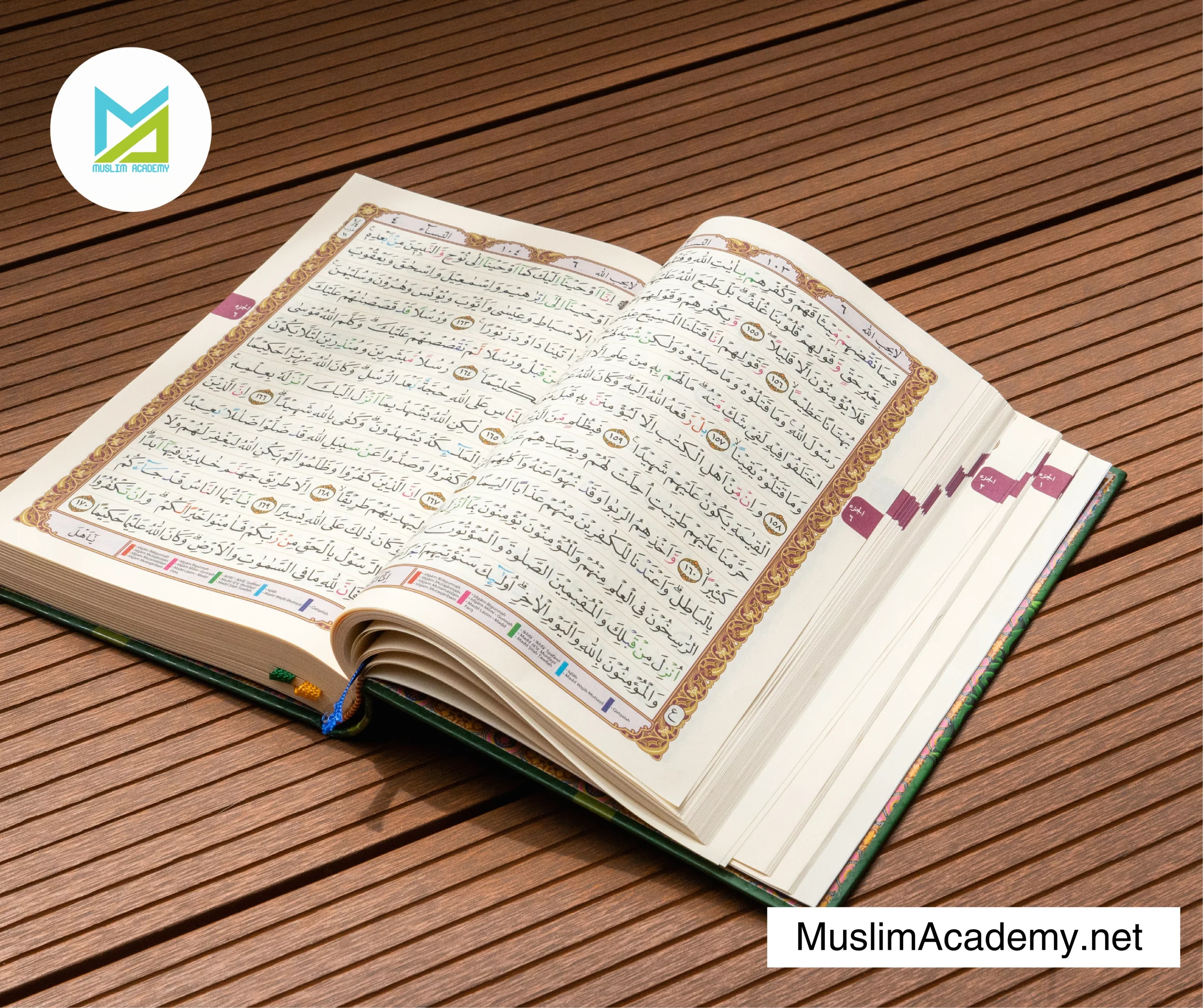
Quran Recitation and Tajweed are the foundations of most programs. Students learn to recognise Arabic letters, connect them into words, and eventually read complete verses with correct pronunciation. Furthermore, Tajweed — the science of proper Quranic recitation — is taught systematically, with teachers correcting pronunciation in real time during live sessions. This real-time correction is critical. A student cannot develop correct articulation habits by reading rules alone — they need a trained ear to hear their errors and guide them toward improvement.
Hifz — Quran Memorisation is increasingly offered through structured online programs. Students memorise portions of the Quran under the supervision of a qualified teacher who monitors accuracy, corrects errors, and oversees the crucial revision cycles that prevent memorised material from fading. Moreover, dedicated memorisation platforms use session recording and progress tracking tools that help both student and teacher maintain accountability and momentum.
Arabic Language Instruction accompanies Quranic education on many platforms. Understanding what you recite transforms the experience entirely. Additionally, even a basic vocabulary of Quranic Arabic — the several hundred words that appear most frequently in the text — unlocks a level of comprehension that changes how students relate to the Quran in prayer and in daily recitation.
Tafseer and Islamic Studies are offered by more advanced platforms, providing students with the contextual and interpretive knowledge that deepens their understanding of the verses they recite and memorise. Furthermore, children’s programs add Islamic manners, basic theology, and stories of the prophets to create a comprehensive early Islamic education.
How to Choose the Right Platform
Not all online Quran platforms offer the same quality of instruction. Choosing carefully makes a real and lasting difference to the student’s progress. Several factors deserve close attention before enrolling.
Teacher Qualifications are the single most important factor. A platform that employs certified teachers — those holding an ijazah, the formal authorisation to teach Quranic recitation granted through an authenticated chain — offers a quality guarantee that informal platforms cannot match. Furthermore, the ijazah system ensures that a teacher’s recitation has been verified by a qualified scholar who themselves received the same verification. Consequently, the student’s learning connects to a chain of transmission that reaches back to the Prophet Muhammad himself.
Curriculum Structure matters equally. A well-designed curriculum moves the student through defined stages with clear milestones. Moreover, it includes regular assessment, systematic revision of previous material, and a logical progression from foundational to advanced skills. A platform that offers only informal, unstructured sessions may provide pleasant interaction without producing reliable long-term progress.
Class Size and Format affect the quality of individual attention. One-to-one sessions between a student and a teacher offer the highest level of personalised instruction. Additionally, small group classes can work effectively for students at similar levels who benefit from peer interaction. Large group classes may be suitable for introductory or supplementary content, but rarely produce the pronunciation accuracy that individual Tajweed instruction requires.
Trial Sessions and Transparency are signs of a trustworthy platform. Reputable Quran Classes Online with Muslim Academy providers offer trial lessons before any financial commitment. Furthermore, they are transparent about their teachers’ qualifications, their curriculum design, and their policies for session scheduling, cancellation, and feedback. A platform that is reluctant to share this information deserves caution.
Making Online Learning Effective
The quality of any learning experience depends significantly on the student’s own preparation and commitment. Several practices consistently improve outcomes for online Quran learners.
Consistency matters more than intensity. A student who attends three short sessions per week for a year progresses far more reliably than one who attends occasional long sessions. Furthermore, regular short sessions allow the brain to consolidate new information gradually, which is especially important for memorisation and pronunciation work.
Dedicated space and minimal distraction make a meaningful difference. Sitting in a quiet, clean space — away from screens, notifications, and household noise — signals to the mind that the session deserves full attention. Additionally, performing wudu before a Quran session, even an online one, maintains the sense of reverence that the text deserves and that makes learning more spiritually present.
Active engagement between sessions accelerates progress significantly. Reviewing the previous session’s material before the next one, practising pronunciation aloud rather than silently, and listening to certified reciters regularly all reinforce what the teacher introduces during class. Moreover, students who ask questions, flag difficulties early, and communicate honestly with their teachers about their challenges receive far more targeted and useful instruction.
Setting clear personal goals gives direction to the learning journey. A student who knows they want to memorise Juz Amma within six months, or learn to recite Al-Fatiha with correct Tajweed, or understand the meaning of the verses they use in daily prayer has a specific and motivating target to work toward. Consequently, they approach each session with a purpose that sustains effort over time.
The Spiritual Dimension of Learning Online
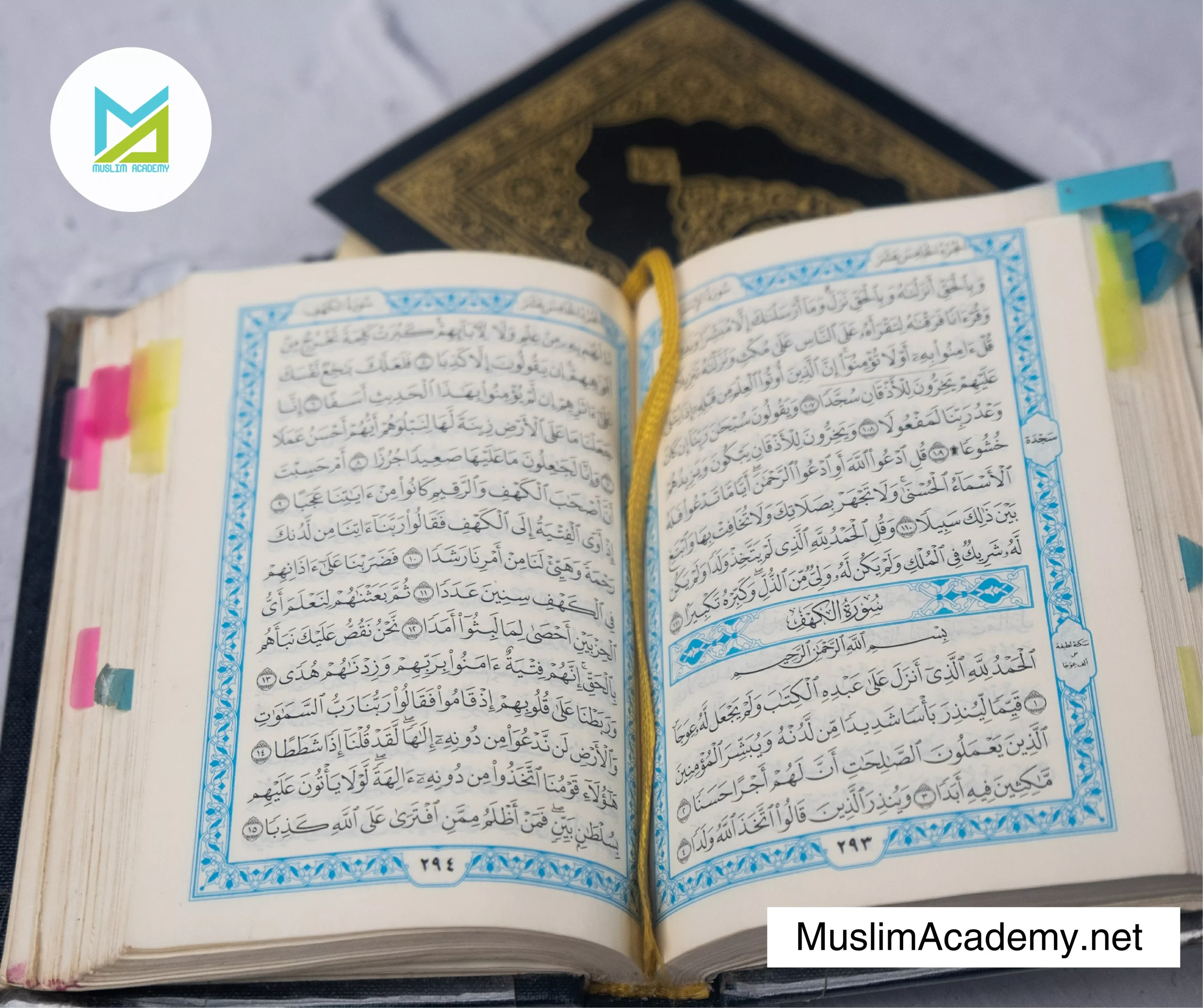
Some learners worry that the digital format removes the spiritual depth from Quranic instruction. This concern is understandable but largely unfounded in practice. The transmission of Quranic knowledge has always adapted to the tools and circumstances of its era. Furthermore, what makes Quranic learning spiritually meaningful is not the physical setting but the sincerity of the student, the integrity of the teacher, and the reverence both bring to the sacred text.
Many students report that online learning has actually deepened their
personal relationship with the Quran because it removed the social dynamics
of group settings and created a focused, one-to-one space of genuine learning.
Additionally, the accessibility of online classes has enabled people who
previously felt excluded from Quranic education — converts without Muslim
community networks, people with physical disabilities, and those living in
remote areas — to engage with the Quran in a structured way for the first time.
Consequently, the digital format has brought more people into a genuine relationship with the Quran, not fewer.
Conclusion
The emergence of high-quality Quran Classes Online with Muslim Academy
has made one of the most valuable forms of Islamic education available to
more people than at any previous point in history. Geography no longer limits
access. Busy schedules no longer prevent consistent learning. The teacher
shortage in many Muslim minority communities no longer means that
motivated learners go without guidance. Therefore, every Muslim today —
regardless of age, location, or prior knowledge, has access to the tools
needed to begin or deepen their Quranic education. The tradition is living. The
teachers are available. The only remaining step is to begin.