Start Online Quran Classes with Muslim Academy
https://muslimacademy.net/index.php/free-trial/
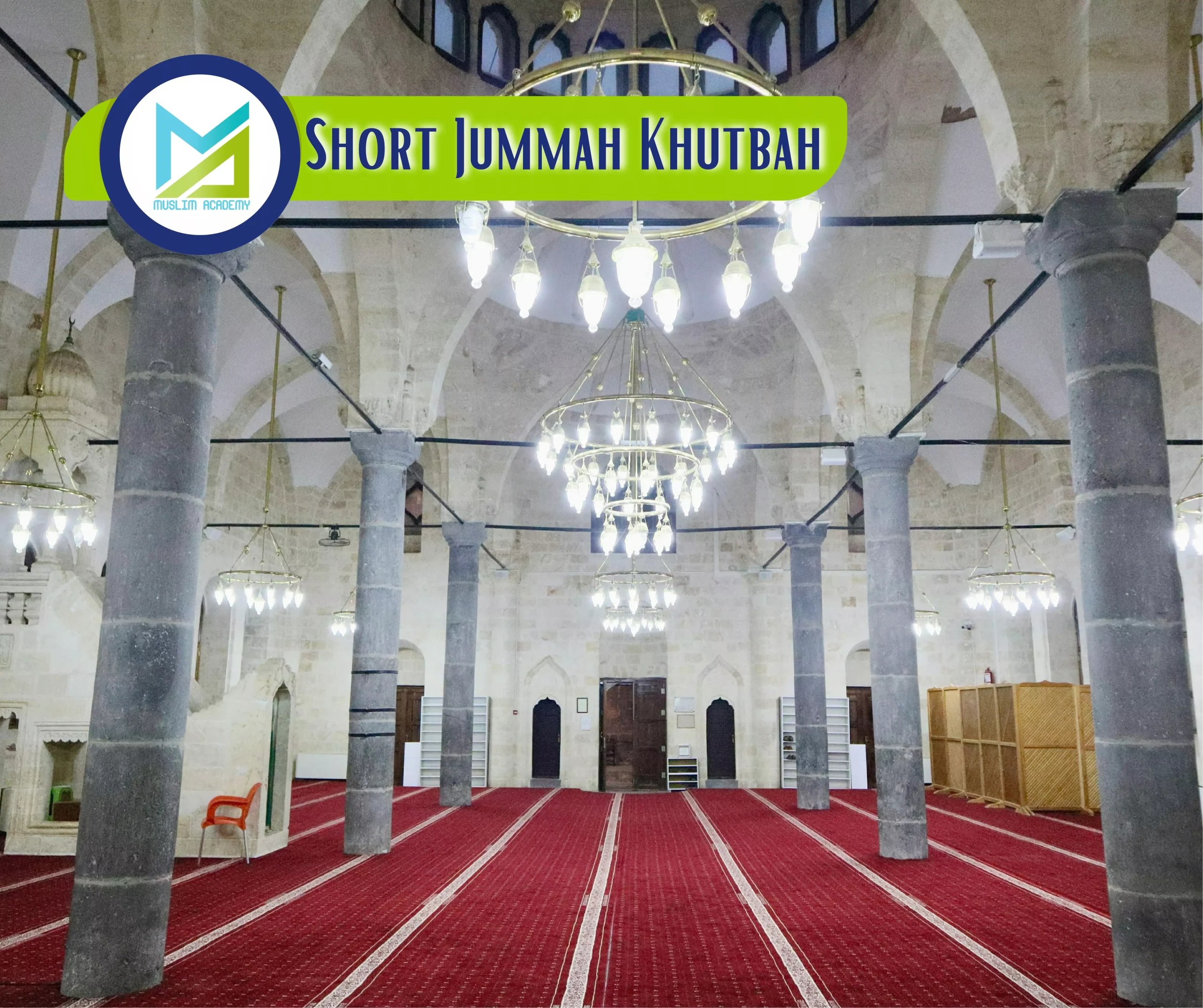
Friday is the most honored day of the week in Islam. Muslims gather in mosques around the world every Jummah to pray, to listen, and to reconnect with their faith as a community. At the heart of this gathering stands the Khutbah — the sermon delivered before the congregational prayer. Delivering a Short Jummah Khutbah with Muslim Academy is not a sign of insufficient preparation or weak scholarship. On the contrary, it reflects a deep understanding of prophetic guidance, human attention, and the true purpose of the Friday address. Furthermore, the Prophet Muhammad himself consistently favored brevity in his own sermons. This article explores the virtues of a concise Khutbah, its essential components, practical guidance for delivering one effectively, and how brevity strengthens rather than weakens the sermon’s impact.
The Prophetic Tradition of Brevity
The Prophet Muhammad set a clear and consistent example when it came to the Friday sermon. He spoke with precision. He chose his words carefully. He conveyed profound meanings in short, memorable sentences. Moreover, he explicitly praised brevity and criticized unnecessary length in speech.
One well-known narration reports that the Prophet described a man’s long prayer and short sermon as a sign of understanding, and his long sermon and short prayer as a sign of poor judgment. This guidance reveals something important. The Khutbah exists to remind and inspire — not to exhaust or overwhelm the congregation. Therefore, a Short Jummah Khutbah with Muslim Academy that delivers its message clearly and powerfully fulfills the purpose of the sermon far better than a lengthy address that loses its audience halfway through.
Additionally, the companions of the Prophet followed this example faithfully. The early Khalifahs — Abu Bakr, Umar, Uthman, and Ali — delivered sermons that were direct, impactful, and free of unnecessary padding. Their words carried weight precisely because every sentence served a purpose.
Why Brevity Works
Human attention is a limited resource. Even the most motivated listener struggles to maintain deep focus beyond a certain point. Consequently, a sermon that runs too long risks losing its congregation at the very moment it most needs their full engagement.
Furthermore, a concise sermon respects the congregation’s time. Many worshippers arrive at the mosque having taken time off work, traveled from a distance, or arranged their entire midday schedule around Jummah. Delivering a focused and meaningful address honors that effort. Moreover, brevity creates clarity. When a Khateeb — the one delivering the sermon — limits himself to a single central message, that message lands with far greater force than ten loosely connected points delivered in forty minutes.
Additionally, a short sermon is easier to remember. A congregation that walks out of the mosque carrying one clear thought, one actionable reminder, or one verse they intend to reflect on has received something genuinely valuable. Therefore, the goal of every Khutbah should be depth of impact, not length of delivery.
The Essential Components
A Short Jummah Khutbah with Muslim Academy does not mean an incomplete one. Scholars have identified several components that every valid Khutbah must contain, and none of them require length to fulfill properly.
The sermon must begin with praise of Allah — Hamd. Furthermore, it must include the Shahadah, the testimony of faith. Sending blessings upon the Prophet Muhammad is also required. Additionally, the Khateeb must include at least one Quranic verse during the sermon. Finally, the first Khutbah should conclude with a reminder directed toward the congregation — an exhortation toward taqwa, meaning God-consciousness and righteousness.
The second Khutbah is typically shorter than the first. It includes similar praises and blessings, along with a supplication for the Muslim community. Together, both portions of the sermon can fulfill all their required components in a matter of minutes without sacrificing validity or spiritual weight.
Choosing a Focused Topic
One of the most effective strategies for delivering a powerful short sermon is choosing a single, focused topic and developing it with clarity and intention. Rather than attempting to address multiple issues in one sitting, the Khateeb selects one theme that is relevant to the congregation’s current circumstances and drives it home with supporting evidence from the Quran and Sunnah.
Moreover, a well-chosen topic allows the Khateeb to prepare thoroughly. Knowing exactly what to say — and equally importantly, what to leave out — is the foundation of confident and effective delivery. Furthermore, connecting the topic to the congregation’s daily life makes the message immediately relevant and therefore more likely to produce real change.
Practical themes work particularly well in shorter formats. Topics such as gratitude in difficult times, the importance of honesty in daily dealings, maintaining family ties, or the discipline of daily prayer all offer clear, actionable guidance that a congregation can carry directly from the mosque into their lives.
Practical Tips for Delivery
Delivering a short sermon effectively requires preparation, confidence, and clarity. First, write out or outline the Khutbah in advance. Even experienced speakers benefit from knowing exactly where they intend to begin, develop, and conclude. Furthermore, practice the delivery aloud before the sermon day. Hearing the words spoken helps identify anything that sounds unclear or unnecessarily long.
Begin with a strong opening. The first sentences set the tone for everything that follows. Additionally, use clear and simple language that every member of the congregation — regardless of their educational background — can understand and benefit from.
Speak at a measured pace. Rushing through a short sermon defeats its purpose. Moreover, pausing deliberately after key points allows the congregation to absorb what they have just heard. A brief, well-placed pause often communicates more than additional words could.
End with clarity and intention. The closing of a Short Jummah Khutbah with Muslim Academy should leave the congregation with one clear thought, one sincere supplication, and a sense of spiritual uplift that carries them through the rest of their Friday and beyond.
Common Mistakes to Avoid
Several common errors undermine the effectiveness of Jummah sermons, regardless of their length. Repeating the same point multiple times in different words is one of the most frequent. Furthermore, beginning with a long introduction before arriving at the actual topic wastes the congregation’s most attentive moments. Additionally, ending abruptly without a proper conclusion leaves the listener without closure or direction.
Reading directly from notes without any eye contact disconnects the Khateeb from the congregation. Moreover, choosing topics that are overly abstract or disconnected from daily life reduces the sermon’s practical value significantly. Therefore, awareness of these pitfalls helps any Khateeb — experienced or new — sharpen their delivery and serve their congregation more effectively.
The Spiritual Responsibility of the Khateeb
The person who delivers the Khutbah carries a real spiritual responsibility. He stands before the congregation as a reminder — not as a performer or a lecturer. Consequently, the intention behind the sermon matters as much as its content. A Khutbah delivered with sincerity, humility, and genuine concern for the congregation’s spiritual well-being will always carry more weight than one delivered with technical polish but hollow intention.
Furthermore, the Khateeb should continuously seek to improve. Studying the sermons of the Prophet and his companions, learning from experienced scholars, and soliciting honest feedback from trusted community members all contribute to growth over time. Additionally, making sincere supplication before delivering the Khutbah — asking Allah to place benefit in the words and open the hearts of the listeners — is itself a practice rooted in the prophetic tradition.
Conclusion
The Friday sermon holds a unique and irreplaceable place in Muslim community life. Its power lies not in its length but in its sincerity, its clarity, and its faithfulness to the prophetic example. A Short Jummah Khutbah with Muslim Academy that is well-prepared, focused, and delivered with genuine intention fulfills every requirement of the sermon and serves the congregation with real and lasting benefit. Therefore, every Khateeb who embraces brevity as a virtue — rather than a limitation — honors the tradition of the Prophet and strengthens the spiritual life of the community he serves. The most impactful words have always been the ones that needed no repetition to be remembered.