


Start Online Quran Classes with Muslim Academy
https://muslimacademy.net/index.php/free-trial/
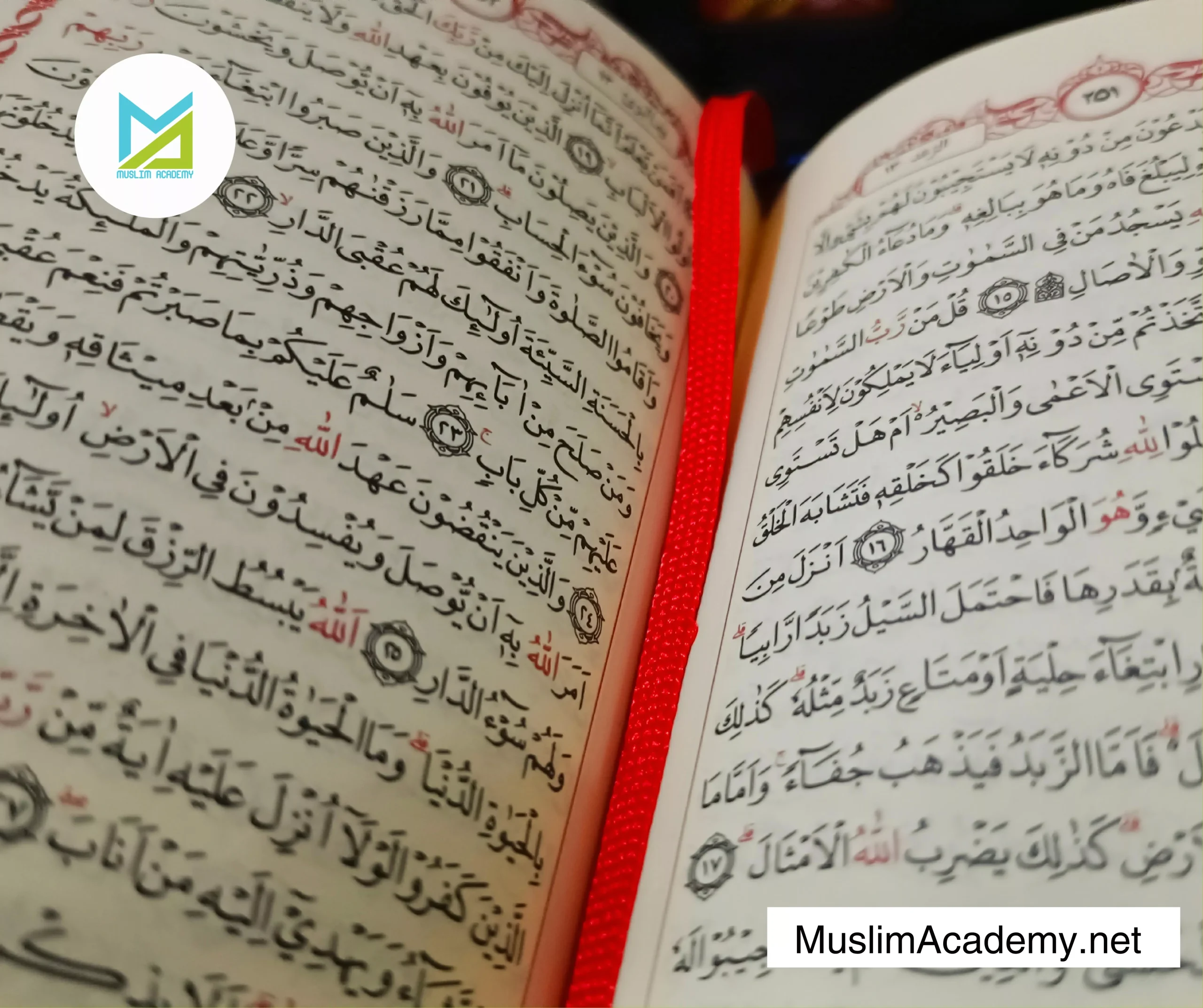
Some chapters of the Quran feel immediately familiar, even to those encountering them for the first time. Their language carries a weight that settles in the heart before the mind has fully processed the words. Surah Yasin with Muslim Academy is precisely that kind of chapter. Muslims across every culture, language, and generation return to it throughout their lives — at dawn, on blessed days, beside the ill, and at moments of grief. Furthermore, the Prophet Muhammad described it as the heart of the Quran, a description so fitting and so frequently repeated that it has become inseparable from the chapter’s identity. This article explores the surah’s background, its major themes, its place in Muslim devotional practice, and how to approach its recitation with the preparation and sincerity it genuinely deserves.
Background and Classification
Surah Yasin with Muslim Academy is the thirty-sixth chapter of the Quran. Scholars classify it among the Meccan revelations — those chapters Allah sent down during the early and challenging years of the Prophet’s mission in Mecca. Consequently, its themes focus on the foundations of Islamic belief rather than on legal rulings or social guidance. It contains eighty-three verses. Moreover, its internal structure is remarkably cohesive, with each section building naturally and powerfully on the one before it.
The surah belongs to a group of Meccan chapters that together establish the Quran’s most essential message: there is one Creator, He has sent messengers to guide humanity, and every soul will face accountability after death. Additionally, Surah Yasin addresses these themes with a combination of vivid narrative, natural observation, and direct theological argument that few other chapters match in terms of concentrated spiritual force.
The Opening
The surah begins with two Arabic letters — Ya and Seen. These belong to a special category called huruf al-muqatta’at, disjointed letters that appear at the opening of twenty-nine Quranic chapters. Scholars have proposed various interpretations over the centuries. However, the dominant and most respected scholarly position holds firmly that their complete significance rests with Allah alone. Rather than unsettling the reader, these letters draw immediate and focused attention before the surah’s central message unfolds.
What follows those letters is a divine oath. Allah swears by the wise Quran that Muhammad is a true messenger walking upon a straight path. Furthermore, the surah establishes immediately that this message exists to warn people who have not previously received divine guidance. From its very first verses, the chapter sets a tone of urgency, compassion, and unwavering clarity that carries through every section to the final verse.
The Story of Rejection and Lone Conviction
A central and memorable narrative in the surah concerns a city that rejected its messengers entirely. Two prophets arrived. Then a third came to strengthen them. Nevertheless, the people refused to listen, accused the messengers of bringing bad omens, and threatened them with punishment.
At that turning point, a man came running from the far end of the city. He urged his community, honestly and earnestly, to follow the messengers. Moreover, he declared his own personal faith openly, without hesitation and without apology. The community killed him for his conviction. Yet Allah granted him paradise immediately and preserved his courage in the Quran for every generation that has read it since.
This narrative delivers enduring lessons. First, genuine faith sometimes demands standing completely alone against a hostile majority. Second, divine recognition of that courage arrives without any delay. Furthermore, the story confirms that truth does not weaken under the pressure of rejection. The message stands regardless of how many people turn away from it.
Signs Written Across Creation
After the narrative, the surah deliberately shifts its attention toward the natural world. This transition is both intentional and deeply effective. The surah points to grain growing from apparently dead soil, gardens producing fruit that sustains entire communities, springs pushing water through the earth, the sun maintaining its unchanging orbit, the moon cycling through its phases with perfect consistency, and ships crossing vast seas in safety.
Each of these examples functions as a sign. Together, they build a compelling and cumulative case for a Creator who designs and sustains all things with complete wisdom. Additionally, the surah addresses people who use reason — ya’qilun in Arabic — making clear that honest and thoughtful engagement with the natural world is itself a spiritual act. Consequently, looking carefully at creation with genuine attention becomes a form of recognition and gratitude that requires no formal training to access.
The Argument for Resurrection
The surah meets the denial of resurrection head-on. A skeptic picks up a crumbled bone and asks mockingly how it could ever return to life. The response is immediate and confident: the One who created that bone from nothing holds complete power to recreate it. Moreover, a single divine command — Kun, meaning “Be” — is all that creation and recreation have ever required.
Furthermore, the surah uses the image of dry, barren earth erupting into green and living abundance after rainfall. Every person who has watched a landscape transform after a season of dryness already understands this argument without needing formal explanation. Death, therefore, is not a final ending. Rather, it is a pause before renewal — a truth that the natural world rehearses reliably through every changing season without exception.
How Muslims Engage With This Surah
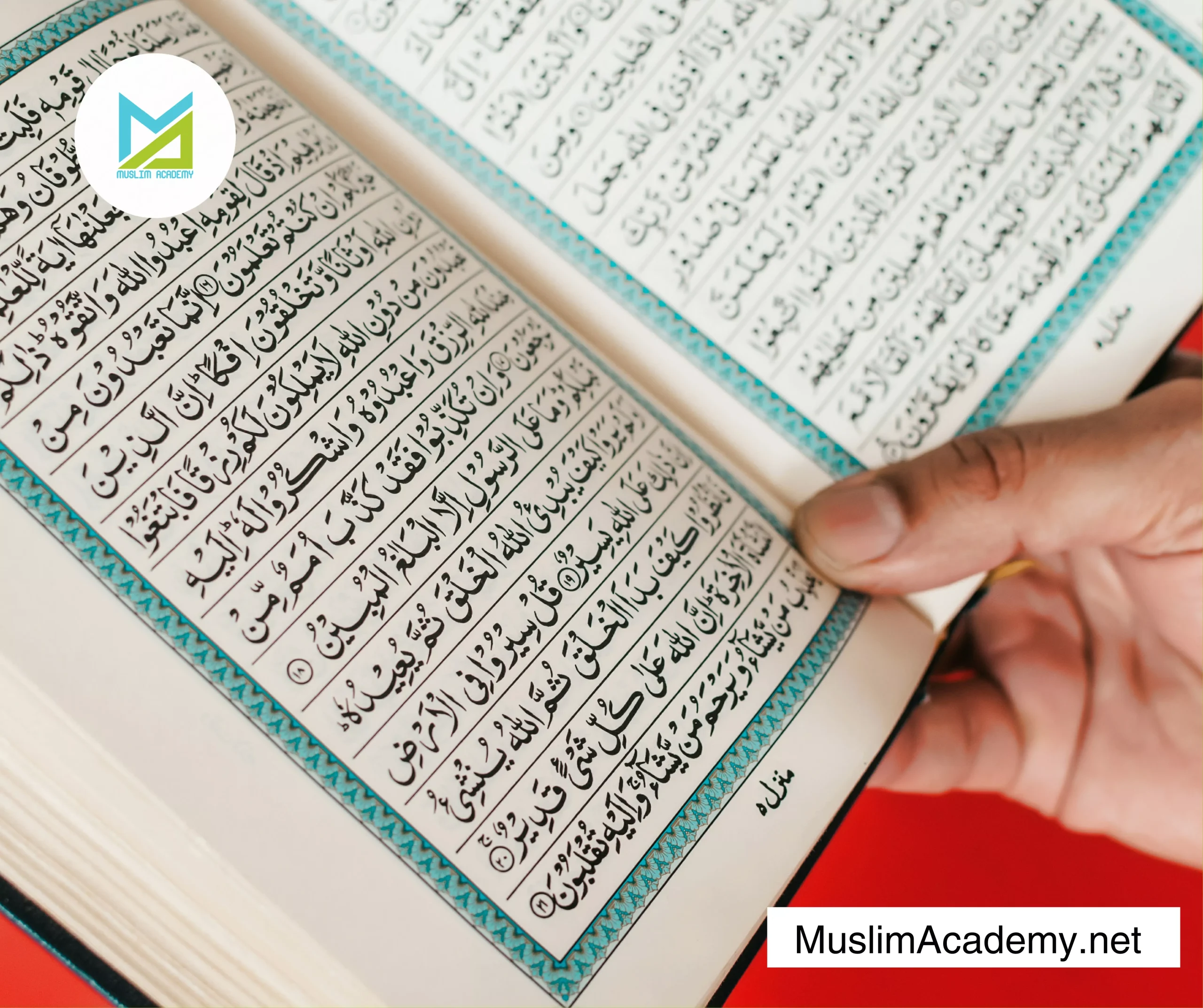
The traditions surrounding this chapter reflect how deeply it has taken root across Muslim communities worldwide. Many Muslims recite it on Thursday nights and Friday mornings, connecting it to the blessed and elevated day of Jumu’ah. Others recite it beside those who are ill or near death, seeking divine mercy and ease for the departing soul. Furthermore, communities gather in the days following a death to recite it collectively, finding comfort and solidarity in familiar and beloved words.
Daily recitation is equally common and meaningful. Families begin their mornings with this chapter to seek blessings before the day unfolds. Students memorize it as a meaningful and rewarding milestone in their Quranic education. Moreover, many Muslims recite it before long journeys, expressing trust in divine protection over what lies ahead. Scholars have studied the hadith narrations about their specific virtues with careful scholarly attention. Some chains of transmission carry weakness. However, the broad Islamic principle encouraging sincere and devoted Quran recitation rests on strong and well-established evidence. Consequently, returning to this chapter regularly provides firm, respected scholarly grounding.
How to Approach the Recitation
Thoughtful preparation transforms recitation from routine into a genuine spiritual encounter. First, perform wudu — ritual purification — and choose a clean, quiet space free from noise and distraction. Begin with Ta’awwudh and Bismillah before the opening letters. Read slowly and deliberately. Tajweed — the science governing correct Quranic pronunciation — applies fully throughout this chapter. Furthermore, listening to a certified and skilled reciter before attempting the surah yourself builds correct habits more naturally and effectively than studying written rules in isolation ever could.
Pairing sound with meaning deepens the experience enormously. A reliable translation read alongside the Arabic text opens the surah’s full content to conscious understanding. Additionally, pausing to reflect when a verse moves you transforms reading from a surface activity into a living and personal spiritual encounter. The Quran was not revealed to be consumed quickly or passively. Therefore, giving this chapter the slow, attentive, and sincere reading it deserves is the approach that produces the deepest and most lasting spiritual return.
Conclusion
Surat Yasin, with Muslim Academy, earns every moment of devotion that Muslims have given it across fourteen centuries. Its arguments are clear and honest. Its narrative is vivid and instructive. Its emotional range — from firm warning through compelling evidence to tender consolation — addresses the full breadth of human experience with remarkable completeness. Therefore, approaching this chapter with sincerity, proper preparation, and genuine reflection means joining an unbroken tradition of believers who have found in it exactly what they needed. The surah is present. The tradition is living. The step toward it is always worth taking.