


Start Online Quran Classes with Muslim Academy
https://muslimacademy.net/index.php/free-trial/
The Quran is the most-read book in human history. Billions of people have recited its verses across fourteen centuries. Yet recitation alone — however correct and beautiful — is only the beginning of a deeper engagement. Understanding what the Quran actually says, what it means in its historical and linguistic context, and how its guidance applies to human life requires a dedicated science. That science is Tafseer. Tafseer Of The Quran with Muslim Academy is the discipline of Quranic interpretation and explanation. Furthermore, it is one of the most intellectually rich and spiritually rewarding fields in the entire Islamic scholarly tradition. This article explores what Tafseer is, how it developed, its major methodologies, and why every Muslim benefits from engaging with it seriously.
What Tafseer Means
The Arabic word tafseer comes from a root meaning to explain, to clarify, or to uncover. In the context of Quranic studies, it refers to the scholarly effort to explain the meaning of the Quran’s verses. Moreover, this explanation encompasses multiple dimensions simultaneously — linguistic meaning, historical context, theological implication, legal guidance, and spiritual significance.
Tafseer is not guesswork. It is not a matter of personal opinion applied freely to sacred text. On the contrary, classical scholars developed rigorous methodologies for approaching the Quran with the intellectual honesty and scholarly discipline it demands. Consequently, a qualified Mufassir — a scholar of Tafseer — brings to the text a deep knowledge of Arabic linguistics, the circumstances of revelation, hadith literature, and the interpretations of the Prophet’s companions.
The Origins of Tafseer
The first teacher of the Quranic meaning was the Prophet Muhammad himself. He received the Quran and explained it to his companions through his words, his actions, and his silence. Furthermore, the companions understood that the Prophet’s explanations were authoritative and irreplaceable. They memorized not only the text of the Quran but also the context in which each verse was revealed and the meaning the Prophet assigned to it.
After the Prophet’s passing, his companions carried this interpretive tradition forward. Scholars such as Ibn Abbas, Ibn Masud, and Ali ibn Abi Talib became renowned for their depth of Quranic understanding. Moreover, as Islam spread to new regions and new peoples, the need for systematic Tafseer grew significantly. Non-Arabic speakers needed an explanation. New legal questions arose that required precise Quranic interpretation. Additionally, theological debates demanded careful engagement with the text. Consequently, Tafseer developed from an oral tradition into a formal written science over the first several centuries of Islamic scholarship.

The Major Methodologies
Classical and contemporary scholars have approached Tafseer Of The Quran with Muslim Academy through several distinct methodologies, each illuminating different dimensions of the text.
Tafseer Bil-Ma’thur — interpretation through transmitted reports — relies on the Quran explaining itself, on the Prophet’s explanations, on the statements of his companions, and on the understanding of the generation that followed them. This approach prioritizes transmitted knowledge over personal reasoning. Furthermore, it is widely considered the most authoritative methodology because it connects the interpreter to the original community that received the revelation directly. Major works in this tradition include the monumental commentary of Imam Ibn Jarir Al-Tabari, whose comprehensive tafseer remains a foundational reference for scholars today.
Tafseer Bil-Ra’y — interpretation through reasoned opinion — allows qualified scholars to apply intellectual analysis to the text when no direct transmitted explanation is available. Additionally, this methodology demands strict conditions. The scholar must possess deep Arabic linguistic knowledge, mastery of Quranic sciences, and thorough familiarity with the transmitted tradition. Reasoned interpretation that contradicts established transmitted reports is considered invalid. Therefore, this approach complements rather than replaces transmitted interpretation.
Tafseer Al-Ishari — allegorical or spiritual interpretation — explores the inner dimensions of Quranic verses beyond their outward meaning. Sufi scholars developed this approach extensively. Moreover, they emphasized that the Quran speaks simultaneously to the outward intellect and the inward heart. While this methodology has generated considerable scholarly debate, its practitioners have consistently maintained that it never contradicts the outward meanings established by the mainstream interpretive tradition.
Thematic Tafseer — known in Arabic as Tafseer Al-Mawdu’i — gathers all the Quranic verses related to a single topic and interprets them together. Furthermore, this approach allows the student to understand the Quran’s complete treatment of a subject — such as justice, patience, or family life — rather than encountering individual verses in isolation. Consequently, thematic Tafseer has become particularly valuable in the modern era for addressing contemporary questions through a comprehensive Quranic lens.
Why Tafseer Matters for Every Muslim
Some believers assume that Tafseer is only for scholars. This assumption is both understandable and mistaken. Every Muslim who reads or listens to the Quran with a desire to understand it is engaging in a basic form of Tafseer. Furthermore, accessing the work of qualified scholars — through translations with explanatory notes, introductory Tafseer books, or structured courses — brings that understanding to a level of depth and accuracy that personal reflection alone cannot reach.
The Quran itself repeatedly invites its readers to reflect, ponder, and understand. It asks directly whether people do not contemplate its verses. Additionally, the history of Islamic civilization confirms that communities that engage deeply with Quranic meaning produce richer scholarship, stronger ethical foundations, and more resilient spiritual lives. Consequently, Tafseer is not an academic luxury. It is a practical and urgent necessity for any believer who wants the Quran to genuinely shape their thinking, their character, and their choices.
Moreover, Tafseer protects against misreading. The Quran’s verses, taken in isolation and without context, can be misapplied or misunderstood. Knowing the circumstances of revelation — asbab al-nuzul — clarifies why a verse was sent and to whom it was addressed. Furthermore, understanding the difference between a verse of general application and one specific to a particular historical situation prevents serious interpretive errors that have caused real harm throughout history.
Accessible Entry Points for the Learner
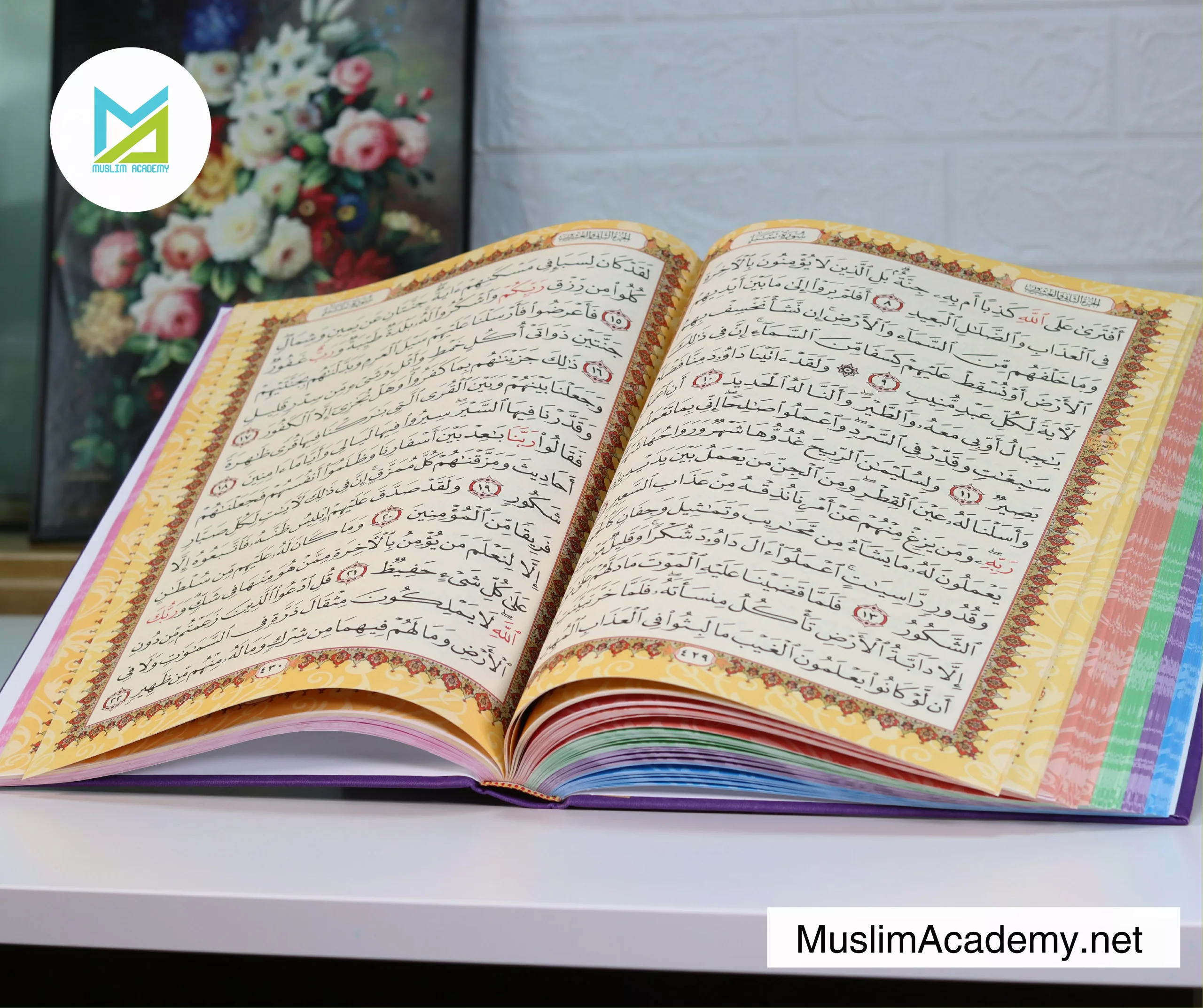
Beginning with Tafseer Of The Quran with Muslim Academy does not require years of formal study before any benefit is received. Several accessible entry points exist for learners at every level. Short surahs studied with a reliable brief commentary offer immediate insight. Additionally, translation editions that include marginal explanatory notes provide context without overwhelming the reader.
Many scholars recommend beginning with the Tafseer of Juz Amma — the thirtieth section of the Quran — since it contains the shorter chapters that Muslims memorize and recite most frequently. Understanding these chapters through Tafseer transforms daily prayer from a phonetic exercise into a conscious conversation with divine guidance. Furthermore, structured courses taught by qualified teachers offer the most reliable and systematic path into this vast and rewarding science.
Conclusion
The Quran was not revealed to be recited without understanding. It was
revealed to guide, to transform, and to illuminate every dimension of human
life. Engaging seriously with Tafseer Of The Quran with Muslim Academy is
therefore not optional for the believer who wants the Quran to fulfill its
purpose in their life. It is the necessary step between knowing the words and
being shaped by them. The science is vast. The tradition is living. The rewards — intellectual, spiritual, and practical — are without limit.