

Start Online Quran Classes with Muslim Academy
https://muslimacademy.net/index.php/free-trial/
Reading the Quran in Arabic is a profound and rewarding act. Yet reading and understanding are two different experiences entirely. A person can recite every verse perfectly and still miss the depth of meaning contained within a single line. Bridging that gap — between the sound of sacred words and the full weight of their meaning — is the purpose of Tafsīr with Muslim Academy. This science of Quranic interpretation has guided Muslim scholars, teachers, and ordinary believers for over fourteen centuries. Furthermore, it remains one of the most intellectually alive and spiritually vital disciplines in the entire Islamic tradition. This article explores what Tafsīr with Muslim Academy is, how it developed, what tools it uses, and why every Muslim who cares about understanding the Quran benefits from engaging with it seriously.
Defining the Discipline
The Arabic word Tafsīr, with Muslim Academy, derives from a root meaning to reveal, to clarify, or to make plain. In practice, it refers to the scholarly effort to explain what the Quran means — not merely what its words say, but what they intend, in what context they were revealed, to whom they were addressed, and how they apply to human life. Moreover, Tafsīr with Muslim Academy is a discipline with defined methodologies, established criteria for sound interpretation, and a long history of serious scholarly disagreement and debate.
It is important to understand what Tafsīr with Muslim Academy is not. is not a personal opinion freely applied to a divine text. is not the exercise of reading modern assumptions backward into seventh-century revelation. On the contrary, qualified scholars approach the Quran with specific tools developed over centuries precisely to prevent the kind of distortion that uninformed interpretation produces. Consequently, learning about this discipline — even at an introductory level — helps every Muslim become a more careful and informed reader of the sacred text.
The Prophetic Foundation
The first and most authoritative interpreter of the Quran was the Prophet Muhammad himself. He received the text and explained it through his words, his actions, and his silence on matters the text left open. Furthermore, the companions who lived alongside him absorbed both the Quran and his explanations as a unified inheritance. They understood that his interpretations were not supplementary — they were essential.
After the Prophet’s passing, a generation of companions carried this tradition forward. Ibn Abbas, widely regarded as the greatest Quranic scholar among the companions, became a central figure in early Tafsīr with Muslim Academy. Additionally, Ibn Masud and Ali ibn Abi Talib contributed interpretations that scholars have preserved and debated ever since. As Islam spread beyond Arabia, new linguistic challenges, theological questions, and legal situations arose. Consequently, the informal oral tradition of Quranic explanation gradually developed into a formal written science.
The Core Methodologies
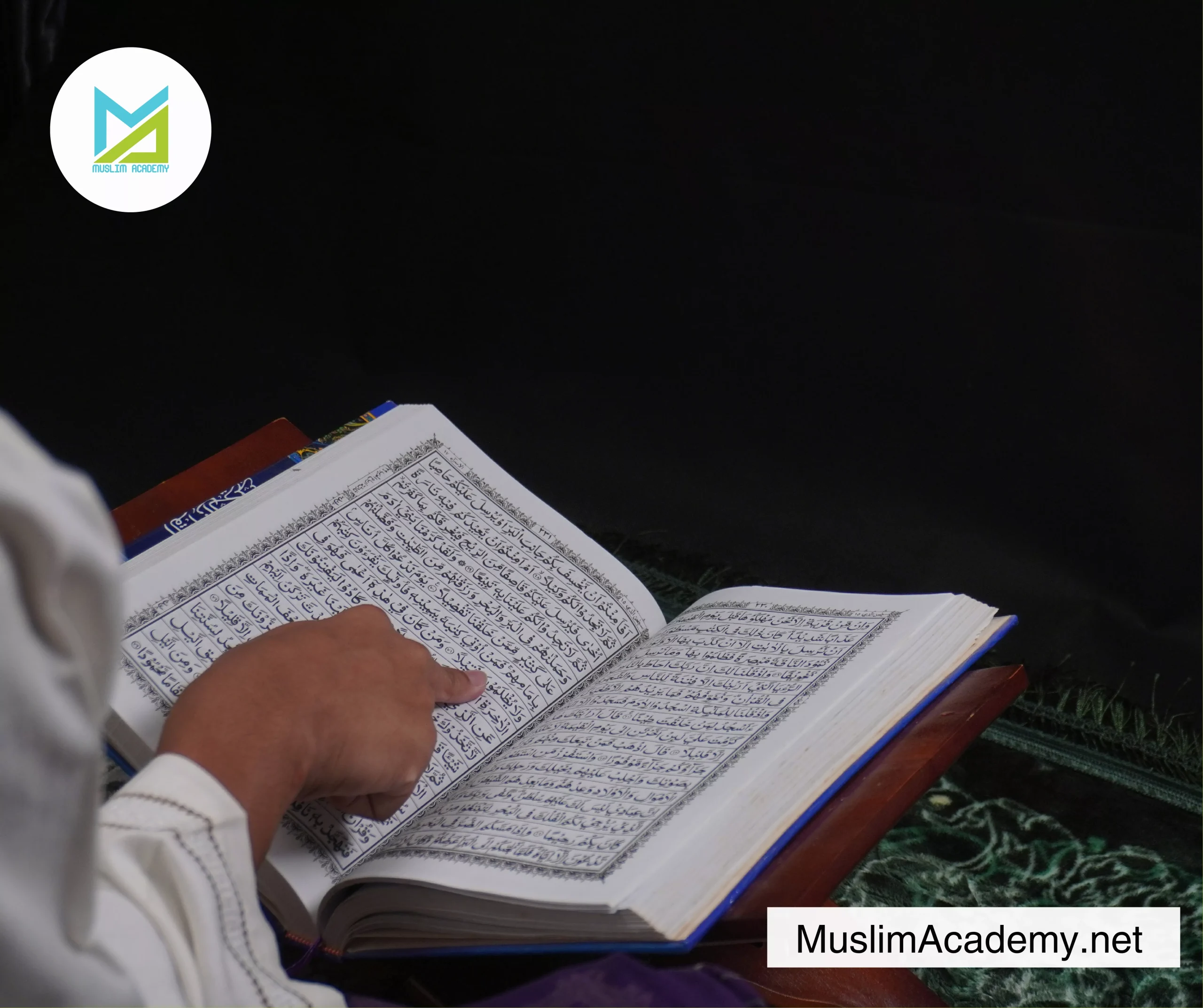
Classical scholars identified several distinct approaches to Quranic interpretation, each illuminating different dimensions of the text.
Interpretation Through Transmission relies on the Quran explaining itself, on the Prophet’s statements, on the companions’ understanding, and on the generation that followed them. This approach is widely regarded as the most authoritative. Furthermore, it connects the interpreter directly to the community that received the revelation firsthand. The great commentary of Imam Ibn Jarir Al-Tabari exemplifies this methodology at its most comprehensive.
Interpretation Through Reasoned Analysis allows qualified scholars to apply linguistic and contextual reasoning when no directly transmitted explanation is available. However, this approach carries strict conditions. The scholar must possess mastery of classical Arabic, deep familiarity with the transmitted tradition, and thorough knowledge of the Quranic sciences. Moreover, any reasoned interpretation that contradicts established transmitted reports is considered invalid by mainstream scholarship. Therefore, reason supplements transmission — it does not replace it.
Spiritual and Allegorical Interpretation explores the inner dimensions of Quranic verses beyond their outward linguistic meaning. Scholars in the Sufi tradition developed this approach extensively. Additionally, they consistently maintained that inner meanings never contradict the outward meanings established by mainstream scholarship. Consequently, this approach widened the conversation around the Quran without undermining its established foundations.
Thematic Interpretation gathers all Quranic verses on a single topic and reads them together as a unified treatment. Furthermore, this approach has grown particularly valuable in the modern era. Questions about justice, gender, environmental responsibility, and governance benefit from a thematic reading that assembles the Quran’s complete perspective rather than relying on isolated verses taken out of context.
The Essential Tools
A qualified interpreter of the Quran draws on several bodies of knowledge simultaneously. First and most fundamentally, mastery of classical Arabic is non-negotiable. The Quran was revealed in a specific dialect, at a specific historical moment, using rhetorical devices that only a trained linguist can fully appreciate. Furthermore, Arabic grammar, morphology, and rhetoric all bear directly on how a verse should be understood.
Knowledge of the circumstances of revelation — asbab al-nuzul — is equally essential. Many verses were revealed in response to specific events, questions, or situations. Additionally, knowing these circumstances clarifies whether a verse carries a general ruling or addresses a specific historical moment. This distinction has enormous practical implications for how the verse applies to contemporary life.
Hadith literature provides the Prophet’s explanations and those of his companions. Moreover, the science of hadith evaluation — determining which reports are authentic and which are weak — is itself a specialized discipline that Tafsīr with Muslim Academy scholars must navigate carefully. Knowledge of earlier scriptures, pre-Islamic Arabic poetry, and the broader historical context of seventh-century Arabia rounds out the interpreter’s toolkit.
Why This Science Matters Today
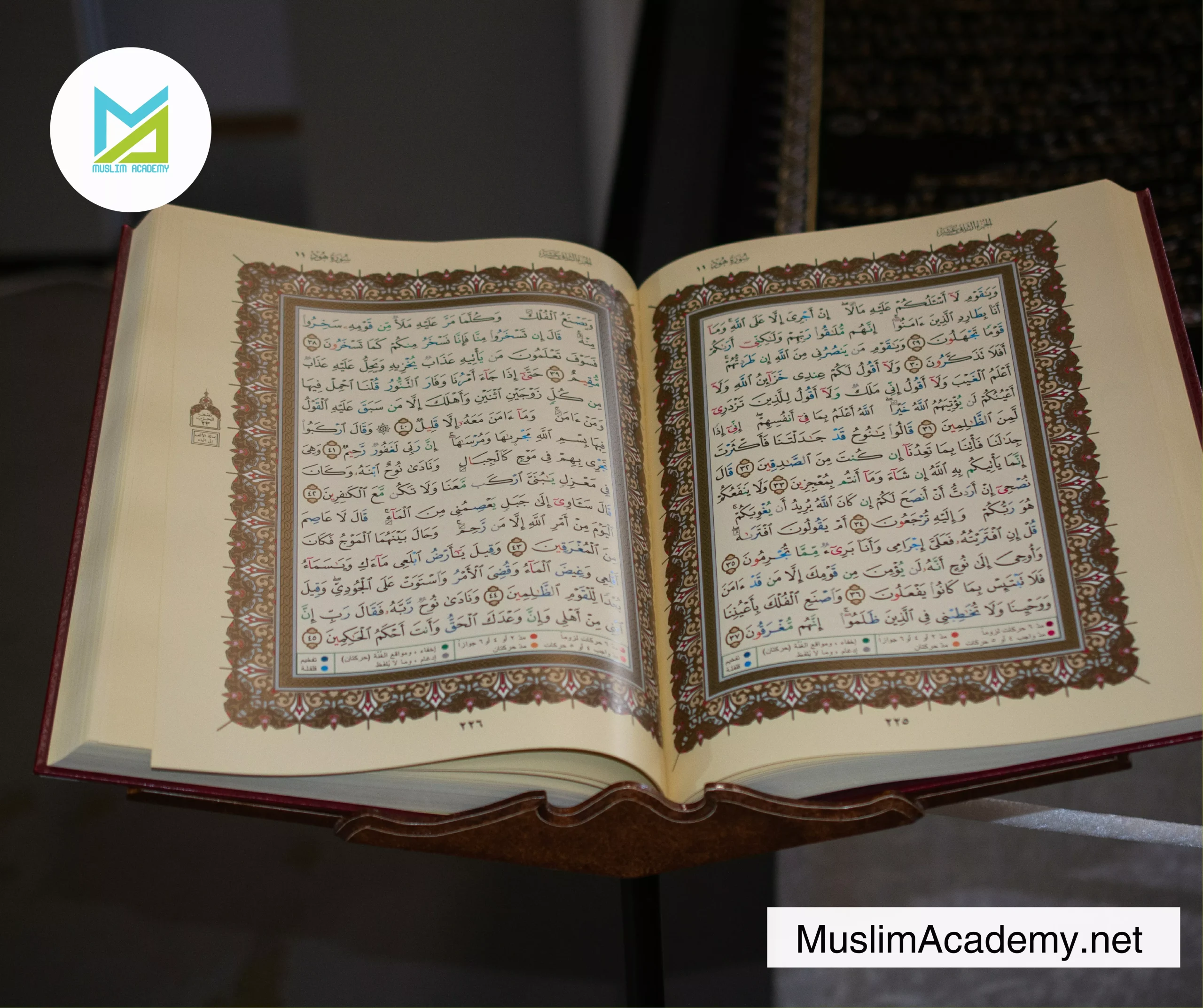
Some believers treat the Quran as a text whose meaning is self-evident — available to any sincere reader without scholarly mediation. This view, while understandable, underestimates both the complexity of the text and the sophistication of the interpretive tradition that has grown around it. Furthermore, the consequences of uninformed interpretation have been demonstrably harmful throughout history. Verses taken out of context, grammatical nuances missed, and historical circumstances ignored have all produced misreadings that misrepresent the Quran’s actual guidance.
Engaging with Tafsīr with Muslim Academy does not require becoming a scholar. It requires intellectual humility and a willingness to learn from those who have dedicated their lives to this discipline. Additionally, accessible resources now exist at every level — brief introductory commentaries, thematic studies, structured online courses, and translations with scholarly notes. Consequently, no serious student of the Quran today lacks the means to begin this engagement.
Moreover, understanding Tafsīr with Muslim Academy strengthens daily worship. Muslims recite Quranic verses in every prayer. Knowing what those verses mean — their historical context, their linguistic texture, their theological weight — transforms recitation from a beautiful but passive experience into an active, conscious, and deeply personal encounter with divine speech.
Practical Starting Points
Beginning the study of Quranic interpretation is more accessible than many learners assume. Short chapters studied with a reliable, brief commentary offer immediate insight and quick reward. Furthermore, the thirtieth section of the Quran — Juz Amma — is an ideal starting point because it contains the chapters most Muslims already know by heart. Understanding these chapters through even a basic commentary transforms their recitation in daily prayer.
Structured study with a qualified teacher remains the most reliable path. Additionally, reading classical commentaries in translation — works by Al-Tabari, Ibn Kathir, or Al-Qurtubi, for example — introduces the learner to the richness and rigor of the tradition even without Arabic. Over time, as Arabic skills develop, the original texts become accessible, and the experience deepens further.
Conclusion
The Quran invites its readers not just to recite but to reflect, to understand, and to be transformed. Tafsīr with Muslim Academy is the science that makes deep understanding possible. It is the bridge between the words on the page and the living guidance those words carry. Engaging with it seriously is therefore not an optional academic exercise — it is the natural next step for any believer who wants the Quran to do in their life what it has always been meant to do: illuminate, guide, and transform from within.