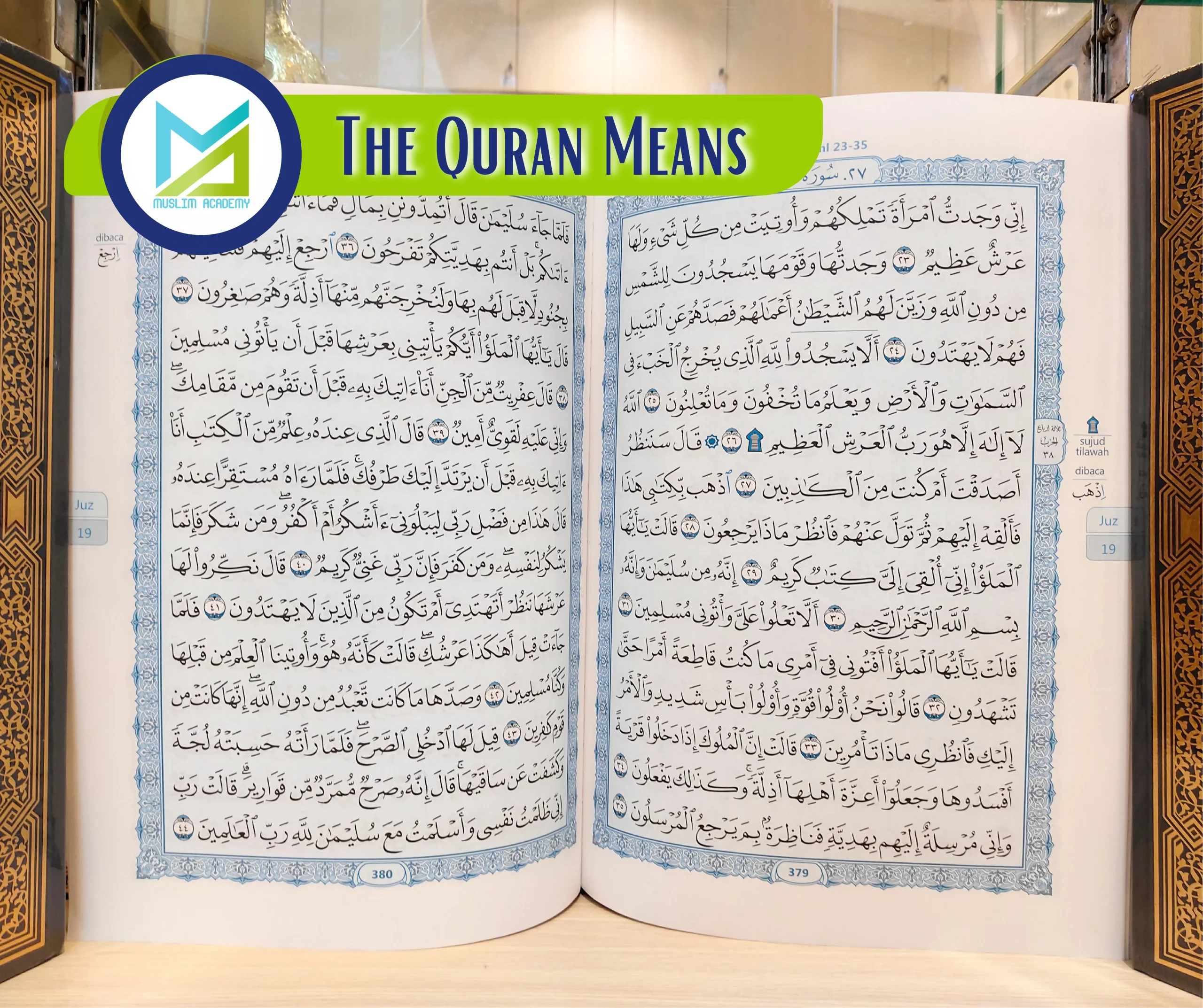
Start Online Quran Classes with Muslim Academy
https://muslimacademy.net/index.php/free-trial/
Words carry power. Some words, however, carry civilizations. The Arabic word Quran is one of them. At its most literal level, The Quran means with Muslim Academy “the recitation” or “that which is read aloud.” This definition comes directly from the Arabic root qara’a, which means to read or to recite. Yet this simple translation barely scratches the surface of what the word — and the book itself — truly represents.
For over a billion Muslims worldwide, the Quran is far more than a title or a label. It is a living declaration of divine speech, a guide for every dimension of human life, and a source of spiritual nourishment that never runs dry. Understanding what this word means — both linguistically and spiritually — opens a doorway into the heart of Islamic faith.
The Linguistic Root and Its Significance
Arabic is a language built on three-letter roots. Each root generates a family of related words that share a core meaning. The root of the word Quran — q-r-a — produces words connected to gathering, collecting, and reading aloud. Some classical scholars derived the name from qara’a, meaning to recite. Others linked it to qara’na, meaning to bring things together or to compile.
Both derivations are meaningful. Together, they suggest a book that gathers divine wisdom and delivers it through the spoken word. Furthermore, this dual meaning captures something essential about the Quran’s nature — it is simultaneously a compiled text and an oral tradition, a written scripture and a recited performance.
No other major world scripture carries a name so tightly bound to the act of speaking aloud. The Bible means “the books.” The Torah means “instruction” or “law.” The Quran, by contrast, means the act of recitation itself. Consequently, this name signals from the very beginning that the Quran is meant to be heard as much as read.
What The Quran Means with Muslim Academy to Muslims
Beyond linguistics, the Quran Means with Muslim Academy something profoundly different to the people who live by it. For Muslims, the Quran is not a book authored by a human being. It is the direct speech of Allah, revealed to the Prophet Muhammad through the Angel Jibreel over twenty-three years. Every word, every letter, and every sound is considered sacred.
This belief shapes everything about how Muslims relate to the text. Before touching the physical Quran, many Muslims perform ritual purification. Before beginning to recite, they seek refuge in Allah from the influence of evil. During recitation, they apply precise rules of pronunciation called tajweed, because the sounds themselves carry divine weight.
Moreover, the Quran holds a legal and spiritual authority that governs Muslim life comprehensively. It addresses theology, ethics, family law, business conduct, social justice, and personal character. It describes the nature of Allah, the purpose of human existence, the reality of the afterlife, and the lessons carried in the stories of previous prophets. In this sense, the Quran is not merely a religious text. Rather, it functions as a complete framework for understanding life itself.
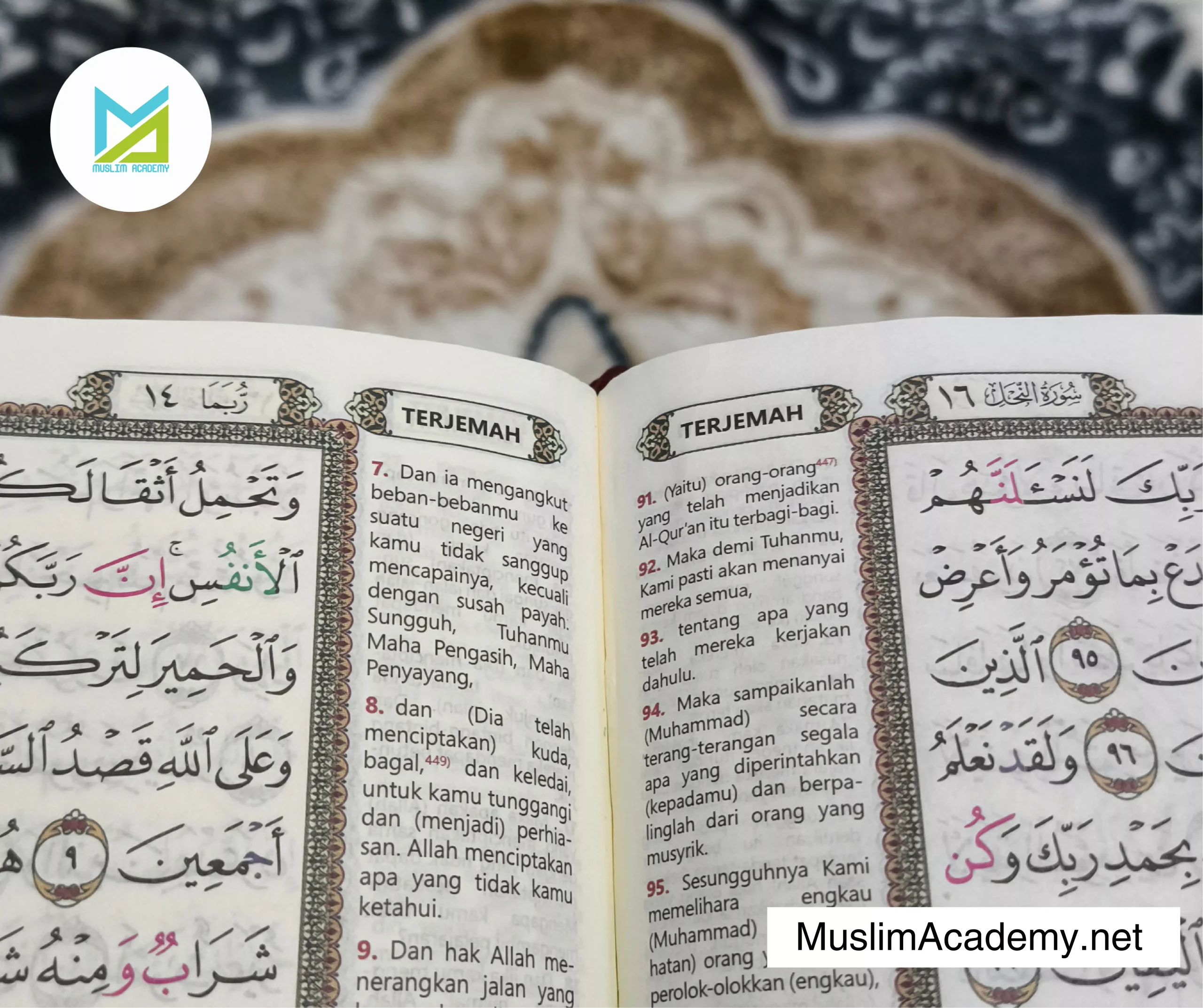
The Names of the Quran and Their Meanings
Islamic scholars note that the Quran carries many names within its own pages. Each name reveals a different dimension of its identity and purpose. Exploring these names deepens understanding of what this book truly is.
Al-Kitab — The Book
This name emphasizes the Quran’s nature as a written, compiled scripture. It underscores permanence and authority. Calling it Al-Kitab places it in the lineage of divine books that preceded it — the Torah, the Psalms, and the Gospel.
Al-Furqan — The Criterion
This name means the book that distinguishes truth from falsehood. It presents the Quran as a moral compass and an intellectual standard. Every claim, every value, and every decision can be measured against its guidance.
Al-Huda — The Guidance
Direction is what every human being seeks at some point. Al-Huda names the Quran as the definitive source of that direction — not just for religious ritual, but for navigating the full complexity of human experience.
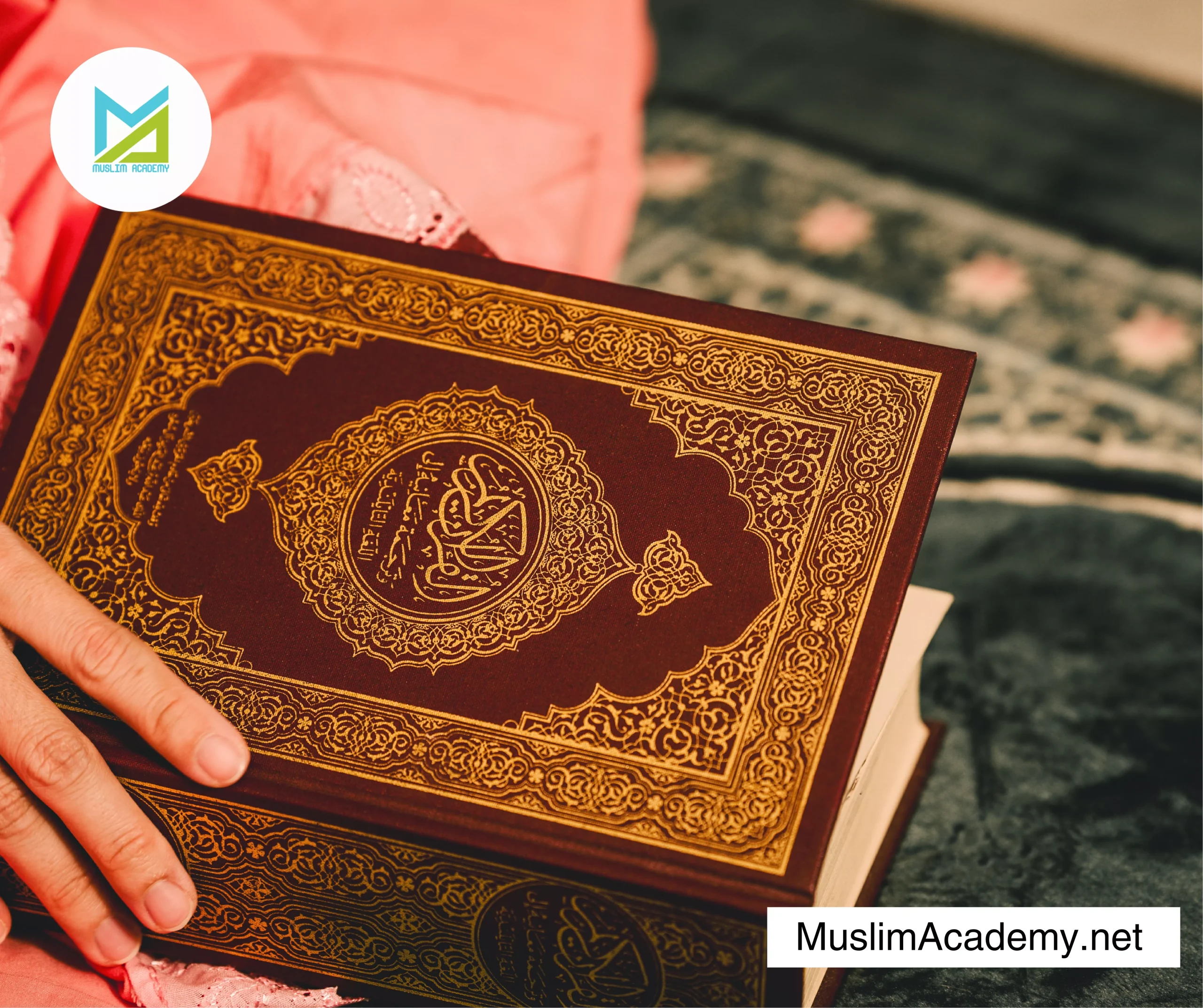
Al-Shifa — The Healing
Spiritual sickness, anxiety, grief, and confusion all find relief in the Quran according to Islamic teaching. Al-Shifa names the book as a healer of hearts. Many Muslims turn to specific verses during times of difficulty and find genuine comfort in their recitation.
Al-Nur — The Light
Darkness represents confusion, misguidance, and ignorance. Light cuts through all of these. By naming itself Al-Nur, the Quran presents its message as an illumination that makes the path forward visible in even the darkest of circumstances.
The Quran as Oral Tradition
Because the Quran Means with Muslim Academy recitation at its very root, the oral dimension of this scripture deserves special attention. From the first moment of revelation, the Quran existed primarily as sound. The Prophet Muhammad heard the words. He then spoke to them. His companions memorized them. This chain of oral transmission has never broken.
Today, millions of Muslims — known as huffaz — have memorized the entire Quran word for word. This achievement is unique in the history of world religions. No other scripture of comparable length has been preserved so comprehensively through oral memory across such a vast and diverse population.
This tradition gives the Quran a living quality that distinguishes it from texts that exist only on paper. Every Fajr prayer recited at dawn in Jakarta, every Tarawih night in Istanbul, every bedtime recitation in a home in London or Lagos — all of these are the Quran fulfilling its own name. All of these are the recitation continuing, as it always has, through human voices across the centuries.
The Quran’s Literary Dimension
Arab scholars of the seventh century were masters of language. Poetry and eloquence held the highest social prestige in their culture. When the Quran arrived, it challenged their greatest poets and orators to produce something comparable. None succeeded.
Classical Arabic linguists devoted entire disciplines to analyzing the Quran’s literary excellence. Its rhythm differs from poetry yet carries a musicality all its own. Its sentence structures shift with extraordinary precision between narrative, legislation, exhortation, and consolation. Even its shortest chapters — only three verses long — contain layers of meaning that scholars have explored for centuries without exhausting.
This literary dimension reinforces the Muslim belief in the Quran’s divine origin. Human beings, they argue, simply do not produce language of this quality on this subject at this scale. The Quran stands, in their view, as its own evidence.
Engaging With the Quran Today
Access to the Quran has never been easier. Digital platforms provide the full Arabic text alongside translations in dozens of languages. Audio recordings from the world’s greatest reciters are freely available. Online courses connect students with certified teachers of tajweed and Quranic Arabic.
Yet despite all this access, meaningful engagement with the Quran still requires effort and sincerity. Reading a translation provides meaning but misses the sound. Listening to a recitation provides sound but may miss the depth. Combining both — and ideally learning enough Arabic to engage with the original — brings a much richer experience.
Scholars consistently recommend approaching the Quran with three qualities: humility, reflection, and patience. Humility means arriving without the assumption that one already understands. Reflection means slowing down and allowing verses to land deeply rather than racing through pages. Patience means returning again and again, because the Quran reveals new layers to the reader who keeps coming back.
Conclusion
A name is never just a label. It carries identity, purpose, and history within its syllables. The name Quran carries all of these and more. Linguistically, it speaks of recitation and gathering. Spiritually, it points to divine speech preserved in human hearts and voices. Practically, it names a book that has guided, consoled, challenged, and inspired humanity for over fourteen centuries.
To ask what the Quran Means with Muslim Academy is to begin a journey that has no simple endpoint. Every sincere reader who opens its pages — in any language, at any stage of life — discovers something new. That quality of inexhaustible depth is, for Muslims, one of the clearest signs of its extraordinary origin.