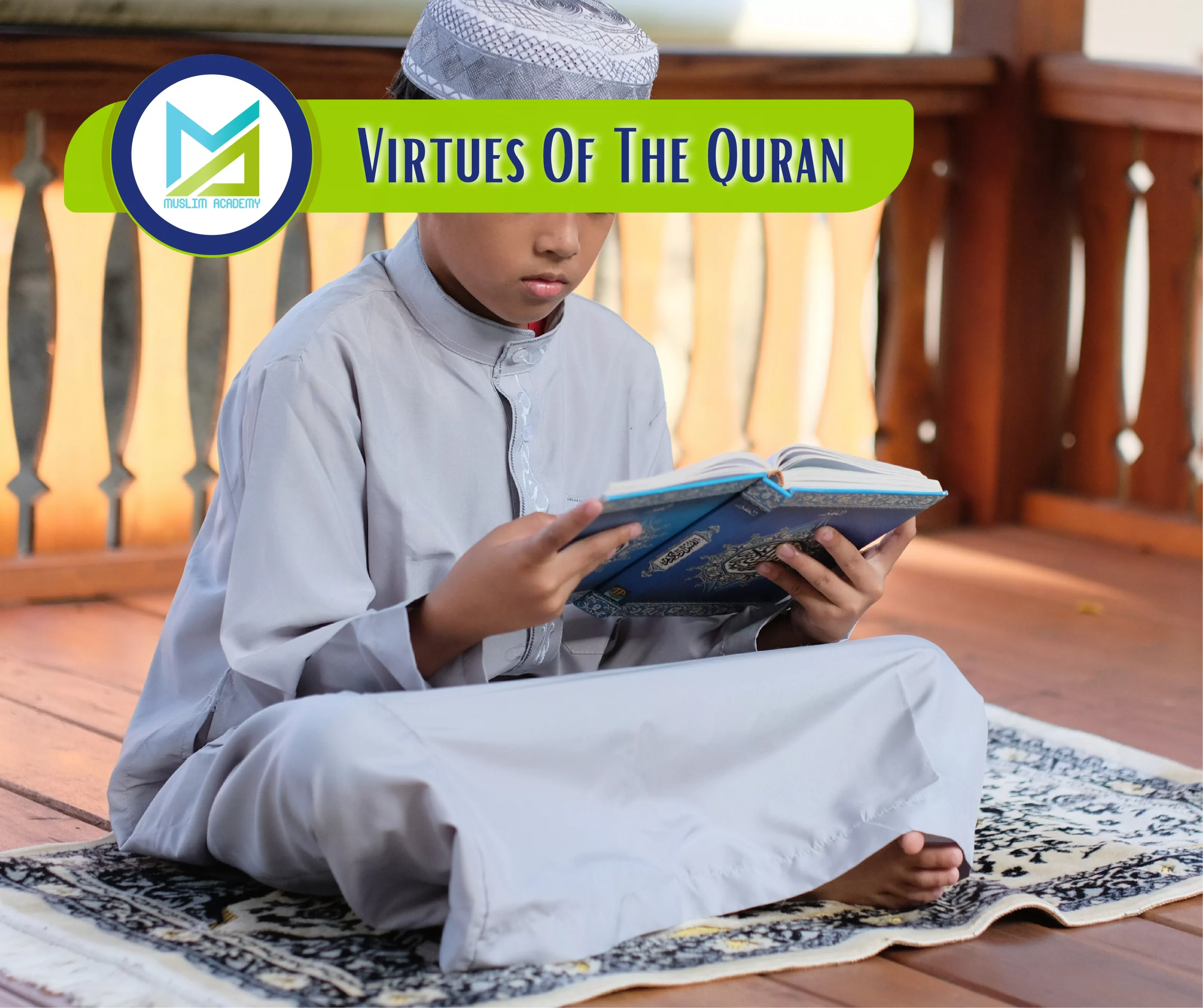
Start Online Quran Classes with Muslim Academy
https://muslimacademy.net/index.php/free-trial/
Every civilisation produces texts it considers precious. Poets compose verses that move generations. Philosophers write works that shape entire schools of thought. Yet no book in human history has occupied a position comparable to the Quran in the hearts of its believers. Muslims across fourteen centuries have not simply read the Quran — they have memorised it, wept over it, built institutions around it, and organised their entire lives according to its guidance.
The Virtues Of The Quran with Muslim Academy are not abstract theological claims. They are experienced realities that hundreds of millions of people encounter daily — in the peace that descends during recitation, in the clarity that comes from its guidance, and in the transformation it produces in sincere hearts. This article explores those virtues in depth, drawing on classical Islamic teaching and the lived testimony of the Muslim tradition.
The Quran Is the Direct Speech of Allah
The most fundamental virtue of the Quran is its source. Muslims believe it carries the actual words of Allah — not paraphrased, not summarised, not filtered through human interpretation. Every letter arrived through the Angel Jibreel to the Prophet Muhammad exactly as it stands today. No other book in Islamic teaching carries this status.
This origin gives the Quran a weight that no human composition can match. Classical scholars described it as the greatest miracle granted to the Prophet Muhammad. Previous prophets received miracles of a physical nature — a staff that parted the sea, a bird formed from clay. Muhammad’s primary miracle, by contrast, was a book. Furthermore, unlike physical miracles that ended with the moment they occurred, the Quran remains. It continues to challenge, inspire, and guide with the same force it carried on the day of its first revelation.
Consequently, simply reciting its words — even without fully understanding their meaning — carries spiritual reward. The Prophet Muhammad taught that each letter of the Quran earns ten rewards for the one who recites it. This teaching reflects the divine status of the text itself: the words hold blessing independent of human comprehension.
The Quran as a Source of Healing
One of the most cherished Virtues Of The Quran with Muslim Academy is its power to heal. This healing operates on multiple levels. Spiritually, it removes the diseases of the heart — arrogance, envy, anxiety, and despair. Emotionally, it brings comfort to the grieving, courage to the fearful, and hope to the despairing. Some scholars also affirm its capacity to bring physical healing when recited with sincere faith and trust in Allah.
Specific chapters and verses carry particular healing associations in Islamic tradition. Surah Al-Fatiha — the opening chapter recited in every unit of prayer — has been called the greatest chapter of the Quran and a cure for every ailment. Ayat Al-Kursi, the Verse of the Throne from Surah Al-Baqarah, carries immense protective power. Surah Al-Ikhlas, Al-Falaq, and An-Nas together form a trio of protective recitations that the Prophet recommended morning and evening.
Moreover, this healing quality makes the Quran uniquely relevant in times of personal crisis. Many Muslims describe turning to the Quran during the darkest periods of their lives and finding genuine relief. The words land differently in moments of desperation — more deeply, more personally, and with greater force. This is not a coincidence. It reflects one of the core virtues this text carries by its very nature.
The Quran Elevates Those Who Engage With It
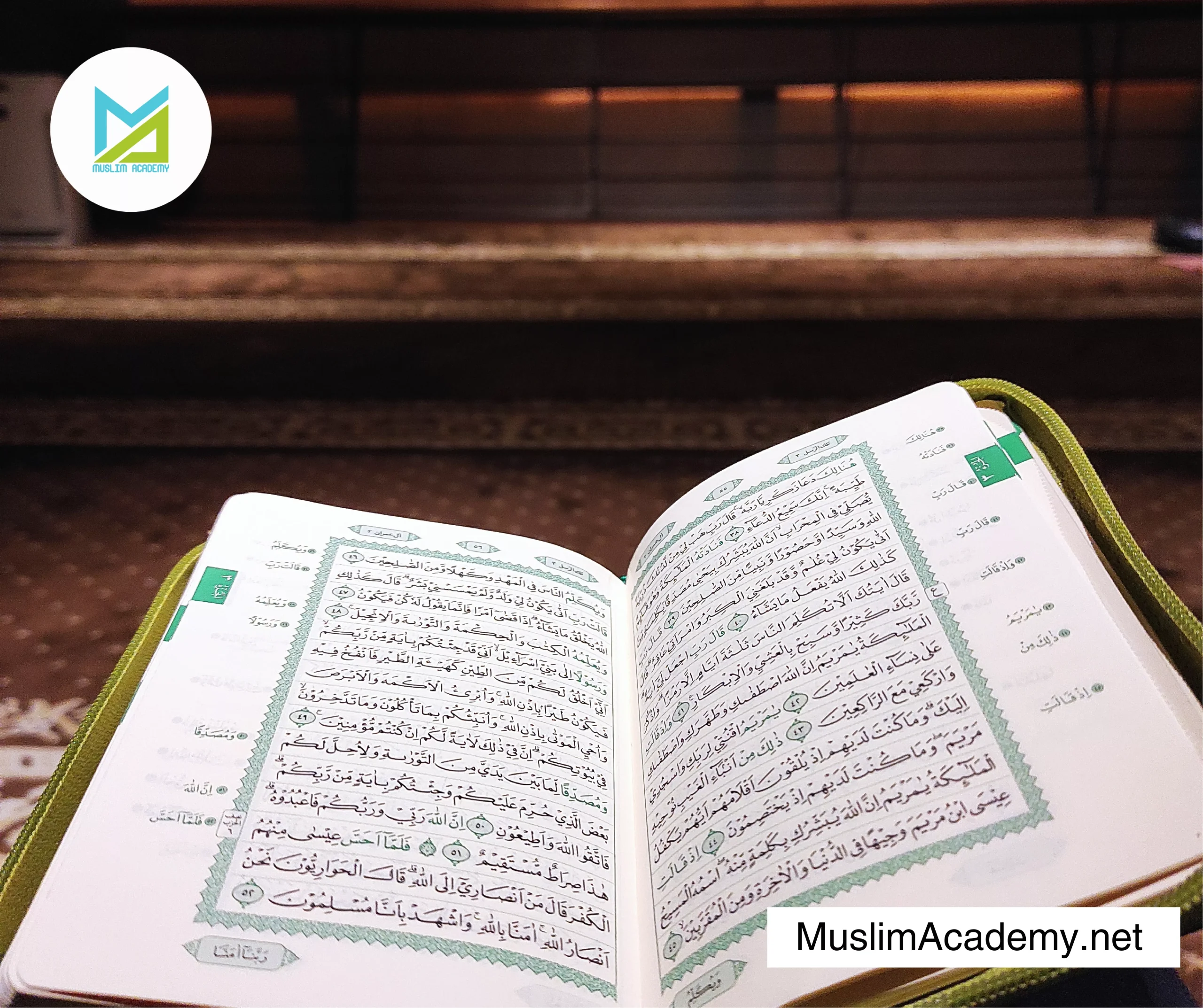
Islamic teaching consistently links engagement with the Quran to personal elevation — in rank before Allah, in character, and in influence among people. The Prophet Muhammad described the best of his community as those who learn the Quran and teach it to others. This single teaching established Quranic education as one of the highest callings a Muslim can pursue.
Those who memorise the Quran receive particular honour. The hafiz — the one who guards the Quran in their heart — earns a position of great spiritual dignity. Classical texts describe the Quran itself interceding on behalf of its memoriser on the Day of Judgment. Furthermore, the memoriser’s family shares in this honour, with some narrations describing elevated ranks granted to parents whose child becomes a hafiz.
Beyond memorisation, regular recitation and reflection elevate the character of the reciter over time. Consistent engagement with the Quran softens the heart, sharpens moral awareness, and deepens compassion. People who spend years with the Quran often develop a distinctive quality of calm, deliberateness, and ethical seriousness that others notice. This transformation is among the most visible Virtues Of The Quran with Muslim Academy in everyday human life.
The Quran as a Complete Guide for Life
Many religious texts address one domain of human experience — prayer, ethics, or law. The Quran addresses all of them simultaneously. It speaks about the nature of Allah with theological precision. tells the stories of prophets with narrative power, and establishes legal principles with clarity. It addresses human psychology with remarkable depth. In addition, it speaks directly to the natural world, inviting observation of creation as a path to faith.
This comprehensiveness means that no sincere question about how to live goes fully unanswered in the Quran. Questions about justice, family, wealth, grief, forgiveness, community, and personal character all find meaningful treatment within its pages. Classical scholars spent lifetimes exploring the connections between its chapters and verses. Yet they consistently reported that the text always had more to offer than any single reading could exhaust.
Moreover, the Quran speaks to every human being regardless of time or place. A seventh-century Arab merchant, a twenty-first-century software engineer in Singapore, and a shepherd in rural Mali all encounter the same text — and each finds it personally relevant. This timeless universality is a virtue that distinguishes the Quran from every other book ever written.
The Quran Brings Peace to the Heart and Home
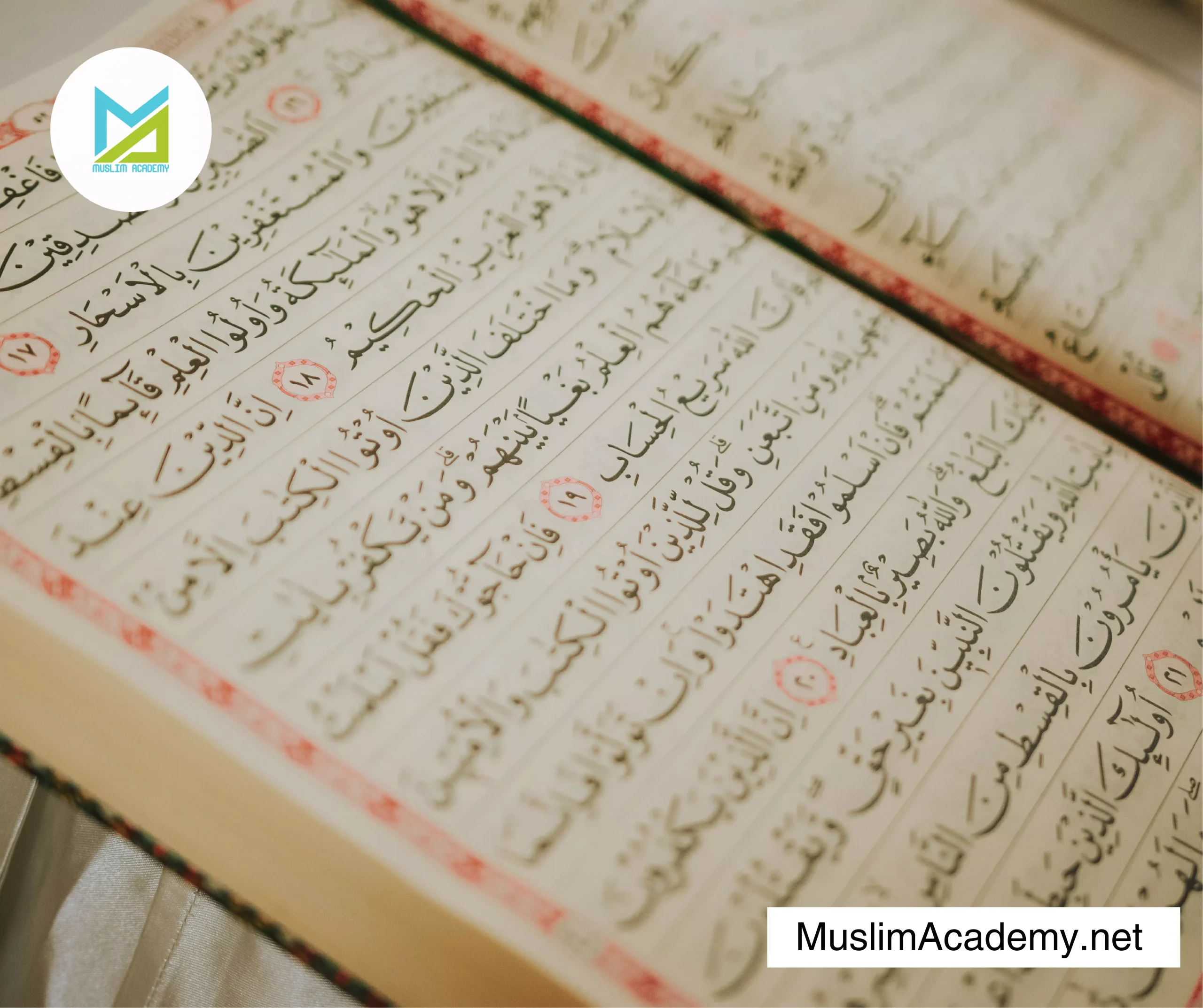
The presence of the Quran — through recitation, through listening, and even through its physical presence — creates an atmosphere of peace. The Prophet Muhammad taught that a home in which the Quran is recited is visited by angels and deprived of the influence of evil. This teaching has motivated generations of Muslim families to establish a daily habit of Quranic recitation within their households.
Children raised in homes filled with Quranic recitation develop a natural familiarity with the text from their earliest years. They associate its sounds with safety, warmth, and family. As a result, their connection to the Quran tends to be deeper and more lasting than that of those who encounter it only in formal educational settings.
Furthermore, the communal experience of Quranic recitation creates powerful social bonds. Tarawih prayers during Ramadan, in which the entire Quran is recited over thirty nights in congregation, bring Muslim communities together in a shared spiritual experience unlike any other. The sound of a skilled reciter moving through the Quran in a full mosque creates a collective atmosphere of reverence and connection that participants describe as profoundly moving.
The Quran as Protection
Islamic tradition teaches that the Quran protects its sincere companions from spiritual harm. Specific recitations serve as shields against anxiety, evil, and misfortune. Ayat Al-Kursi before sleep, the last two verses of Surah Al-Baqarah in the evening, and the three Quls morning and night all carry protective power according to authentic prophetic teaching.
This protective dimension reflects a broader principle: the person who fills their heart and time with the Quran leaves less room for what harms them. Idle thoughts, destructive habits, and spiritual numbness struggle to take root in a heart consistently nourished by divine words. Therefore, the Quran functions as both a spiritual armour and a preventive discipline — shaping the inner life in ways that naturally resist corruption and weakness.
Conclusion
No list can fully capture the Virtues Of The Quran with Muslim Academy. Its depths exceed what any article can map, what any scholar has fully charted, or what any single lifetime of engagement can exhaust. Yet even a partial understanding of these virtues is enough to transform a person’s relationship with this sacred text.
Approaching the Quran with sincere intention, consistent effort, and genuine humility opens the door to everything described in this article — healing, elevation, guidance, peace, and protection. The book has kept every promise it has made to those who approached it honestly. That record, stretching across fourteen centuries and every corner of the earth, is itself among the greatest of its virtues.