Start Online Quran Classes with Muslim Academy
https://muslimacademy.net/index.php/free-trial/
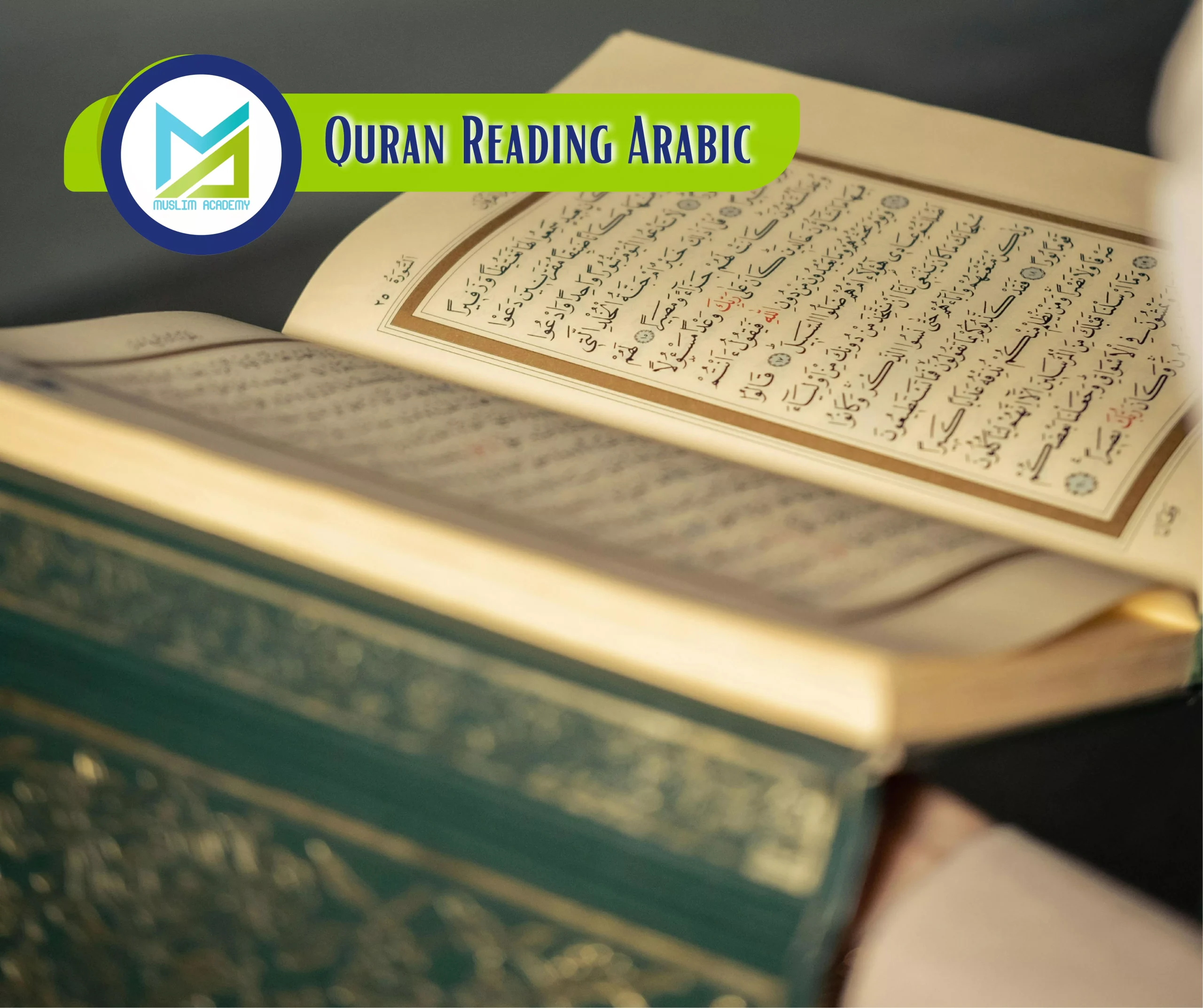
The Quran, Islam’s holiest scripture, was revealed in the Arabic language approximately fourteen centuries ago. This divine revelation presents a unique linguistic and spiritual challenge for the global Muslim community. While Muslims across the world recite the Quran in Arabic regardless of their native language, truly engaging with the text requires an understanding of the Arabic language in which it was revealed. Quran Reading Arabic with Muslim Academy involves not merely pronouncing the words correctly but understanding their meanings, appreciating their linguistic beauty, and comprehending the divine message they convey.
For many Muslims, particularly those whose native language is not Arabic, the journey of Quran Reading Arabic with Muslim Academy represents a significant spiritual undertaking. The practice encompasses learning Arabic vocabulary, understanding grammar, mastering proper pronunciation, and developing the ability to reflect upon and derive meaning from the sacred text. This multifaceted endeavour connects believers more deeply with their faith while enriching their understanding of Islamic teachings.
The importance of Quran Reading Arabic with Muslim Academy extends beyond individual spiritual development. The ability to understand the Quran in its original language has historically been essential for scholars, religious leaders, and individuals seeking to apply Islamic teachings to their lives and communities. In contemporary times, with increasing globalisation and diverse Muslim populations, the practice of Quran Reading Arabic with Muslim Academy has become more important than ever for maintaining an authentic understanding of Islam.
The Linguistic Significance of the Arabic Language
The Arabic language possesses distinctive characteristics that make it particularly suitable for expressing the profound meanings contained within the Quran. Arabic is known for its rich vocabulary, where a single root word can generate numerous related words with subtle variations in meaning. This linguistic feature allows the Quran to convey complex theological and ethical concepts with precision and depth.
The grammar of Arabic is highly systematic and logical, with clear rules governing how words relate to one another within sentences. Understanding these grammatical structures is essential for comprehending how the Quran constructs its arguments and conveys its meanings. Furthermore, Arabic possesses a poetic quality that is evident throughout the Quranic text. The rhythm, rhyme, and linguistic beauty of the Quran are characteristics intrinsic to the Arabic language that cannot be fully captured in translation.
Non-Arab Muslims often express that reading the Quran in English, Urdu, or other languages, while helpful for basic understanding, does not provide the same depth of meaning and spiritual experience as engaging with the original Arabic text. This is because translations necessarily simplify and reduce the rich complexity of the original language. When engaging in Quran Reading Arabic with Muslim Academy, believers access the full depth of meaning that Allah intended in the revelation.
The linguistic features of the Quran have been studied extensively by scholars for centuries. The choice of particular words, the grammatical structures employed, and the rhetorical patterns used all contribute to the meaning of the text. A person reading in translation misses these subtle dimensions of the revelation, but one who undertakes Quran Reading Arabic with Muslim Academy can appreciate these intricate details and develop a richer understanding of the divine message.
Learning Arabic for Quranic Understanding
For those who do not speak Arabic as a native language, learning Arabic specifically for the purpose of understanding the Quran involves a somewhat different approach than learning Modern Standard Arabic for general communication. While basic Arabic proficiency is helpful, comprehending the Quranic text requires understanding classical Quranic Arabic, which has some distinctive features compared to contemporary spoken dialects.
Beginning students of Quran Reading Arabic with Muslim Academy typically start by learning the Arabic alphabet and basic pronunciation rules. This foundational step is crucial because proper pronunciation affects both the spiritual experience of recitation and the ability to understand the text. The Arabic alphabet consists of twenty-eight letters, each with distinct sounds, and some letters have sounds that do not exist in English or many other languages.
Building vocabulary is the next essential step in Quran Reading Arabic with Muslim Academy. Rather than attempting to learn all general Arabic vocabulary, students focused on Quranic understanding benefit from beginning with Quranic vocabulary—the specific words and phrases that appear frequently in the Quran. Many resources have been developed that organise Quranic vocabulary by frequency and thematic grouping, allowing learners to focus on the most important words first.
Learning classical Arabic grammar is also important for Quran Reading Arabic with Muslim Academy. Understanding how words function within sentences, recognising the roles of subjects and objects, and comprehending how tenses work in Arabic all contribute to the ability to understand Quranic verses. Many Islamic institutions offer specialised grammar courses focused specifically on classical Arabic as used in the Quran.
Methods and Resources for Quranic Arabic Study
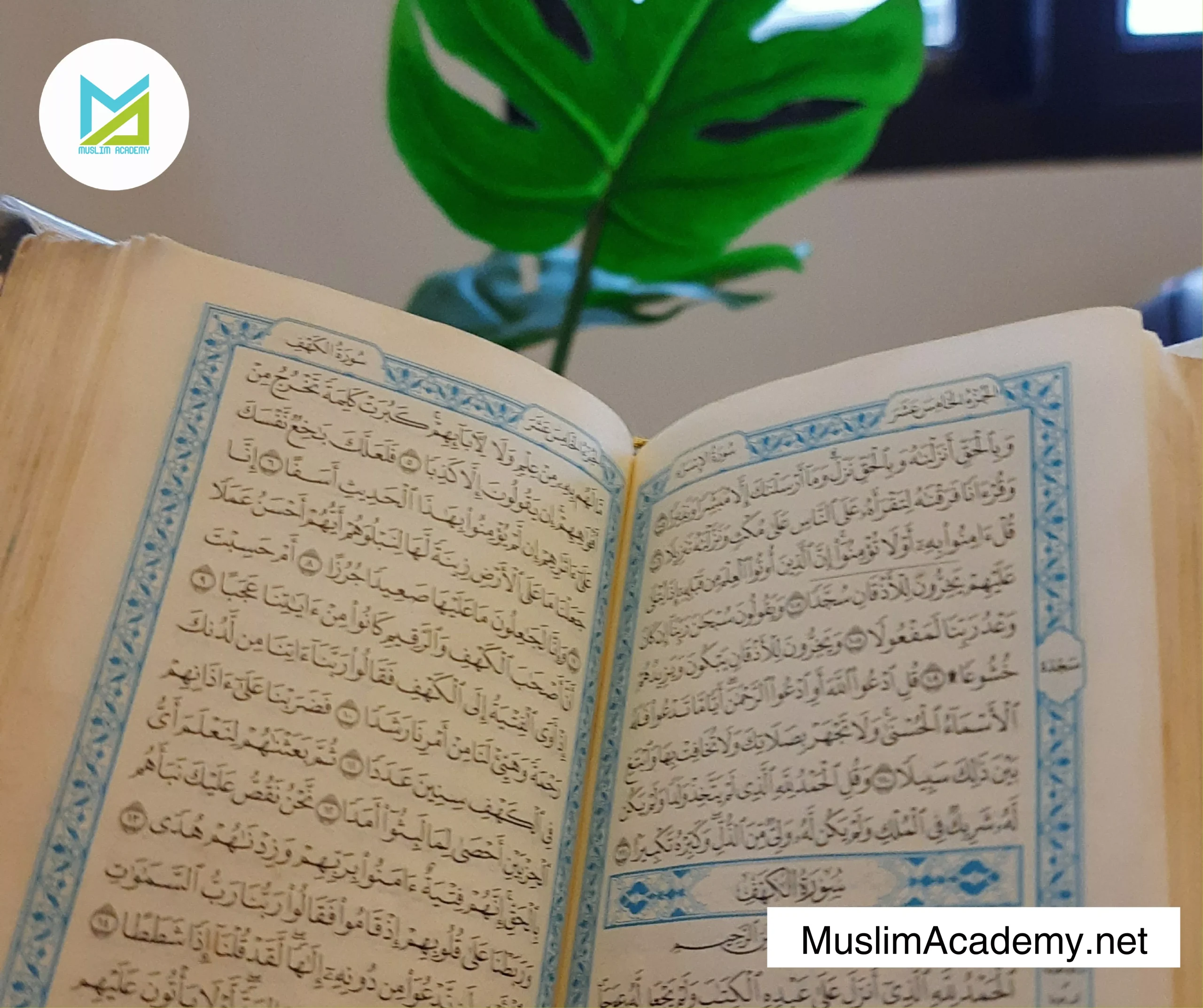
Numerous approaches and resources have been developed to facilitate Quran Reading Arabic with Muslim Academy effectively. Traditional Islamic institutions, including mosques, Islamic schools, and universities, offer structured courses in Quranic Arabic. These formal programs typically progress systematically from foundational concepts through increasingly advanced material, providing comprehensive education in the language.
Online learning platforms have made Quranic Arabic instruction accessible to people worldwide. Many reputable websites and applications offer video lessons, interactive exercises, and progress tracking tools specifically designed for learning Quranic Arabic. These digital resources often include audio recordings of native Arabic speakers, allowing learners to train their ears to recognise and reproduce authentic pronunciation.
Studying Quranic tafseer, or interpretation, alongside Arabic language study enhances the learning process significantly. When students learn the meanings and contextual background of verses while simultaneously studying the Arabic language, they develop a more integrated understanding. Many scholars and teachers combine language instruction with explanation of the meanings of verses, allowing students to see how grammatical structures and vocabulary choices contribute to the overall meaning of passages.
Audio resources featuring the Quran recited by skilled reciters provide valuable support for Quran Reading Arabic with Muslim Academy. Listening to professional recitations helps train the ear, demonstrates proper pronunciation, and allows learners to associate sounds with written text. Repeatedly listening to verses while following along with the written Arabic text reinforces both pronunciation and vocabulary recognition.
The Role of Tajweed in Quranic Reading
Tajweed refers to the set of rules governing the proper pronunciation and recitation of the Quran. While learning the Arabic language provides understanding of what the words mean, learning Tajweed ensures that words are pronounced correctly and beautifully. Tajweed encompasses rules about the elongation of vowels, the proper articulation of letters, and the manner in which certain letters are pronounced when they appear in different positions within words.
In the context of Quran Reading Arabic with Muslim Academy, Tajweed serves multiple purposes. First, it ensures accuracy in recitation, preserving the integrity of the divine text through correct pronunciation. Second, it contributes to the aesthetic and spiritual experience of Quranic recitation. The beauty of the Quran when recited according to Tajweed rules is recognised across Islamic tradition as a means of moving the hearts and deepening spiritual connection.
Many learners of Quran Reading Arabic with Muslim Academy benefit from studying Tajweed simultaneously with learning the language itself. Understanding why particular rules exist and how they affect pronunciation helps learners appreciate both the linguistic and spiritual dimensions of Quranic recitation.
Understanding Meanings and Context
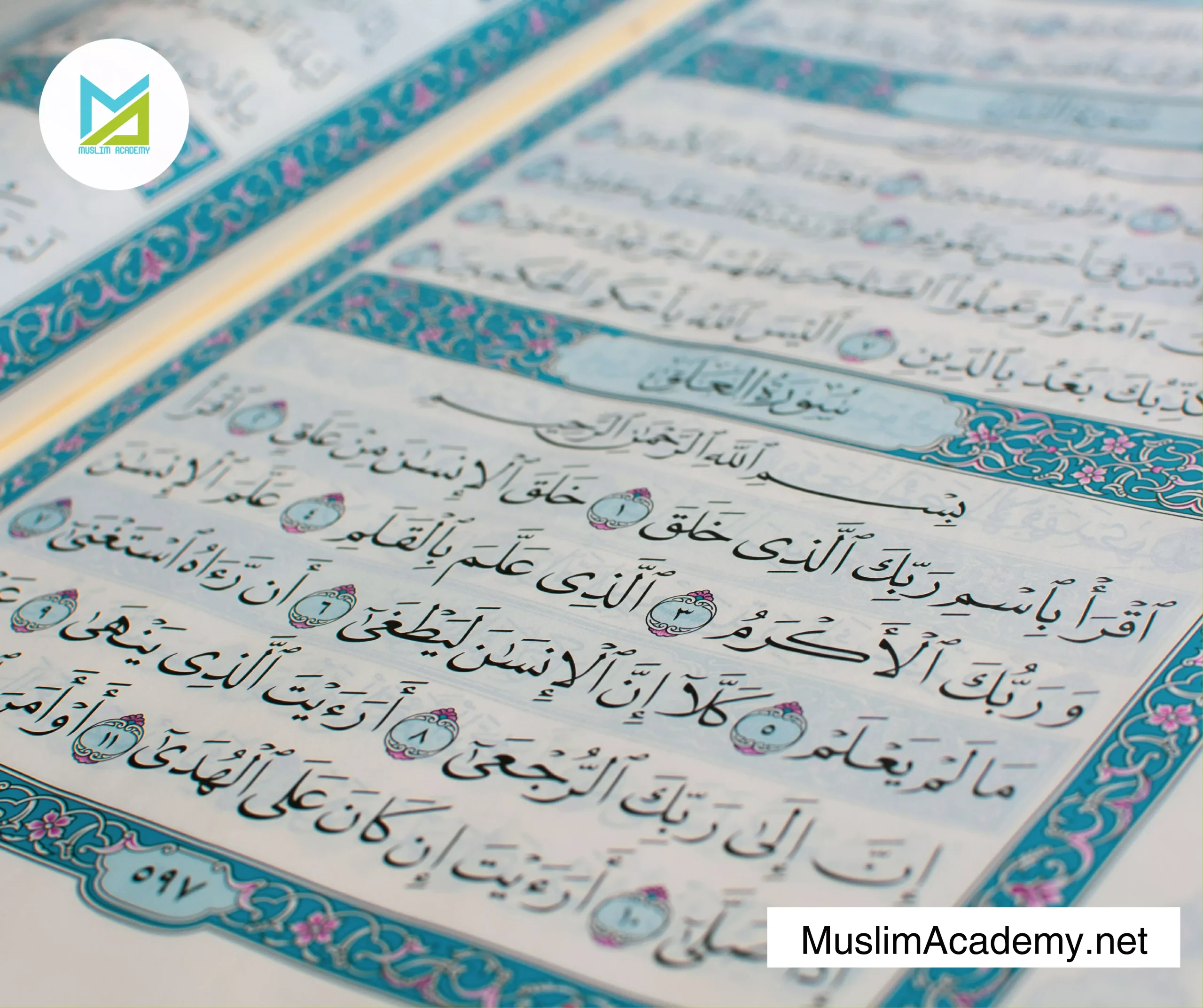
True Quran Reading Arabic with Muslim Academy extends beyond pronunciation and grammar to genuine comprehension of meaning. Understanding the Quran in Arabic requires knowledge of the circumstances in which verses were revealed, the historical context they address, and the theological principles they establish. This deeper understanding allows readers to appreciate how the Quran addresses various situations and principles comprehensively.
The Quran addresses numerous topics, including theology, law, ethics, history, and practical life guidance. Understanding these diverse dimensions of the text enriches one’s engagement with the Quran. Many learners benefit from supplementary study of Quranic tafseer, hadith sciences, and Islamic history, which provide context for understanding the Quranic message more fully.
Additionally, understanding how the Quran uses metaphor, analogy, and other rhetorical devices enhances comprehension. The Quran employs these literary techniques to convey its meanings in vivid and memorable ways. A reader with strong Arabic knowledge can recognise and appreciate these literary features, leading to deeper insight.
Challenges and Perseverance
Learning Quran and Arabic with Muslim Academy presents significant challenges that require genuine commitment to overcome. For non-native speakers, the unfamiliar sounds of Arabic can be difficult to master. The complexity of Arabic grammar, with its intricate system of declensions and conjugations, can seem overwhelming initially. The substantial vocabulary that must be learned, though less extensive than general Arabic, still requires consistent effort and review.
The psychological challenge of pursuing long-term learning goals should not be underestimated. Progress can feel slow, and plateaus occur where advancement seems to stall temporarily. Overcoming these challenges requires persistence, regular practice, and often the support and encouragement of teachers and fellow learners.
Despite these obstacles, countless Muslims have successfully undertaken Quran Reading Arabic with Muslim Academy and experienced the profound benefits of being able to engage with the Quran in its original language. Their success demonstrates that with proper instruction, consistent practice, and sincere intention, the ability to read and understand the Arabic Quran is attainable for motivated learners.
Spiritual and Intellectual Benefits
The rewards of engaging in Quran Reading Arabic with Muslim Academy are substantial and multifaceted. Spiritually, being able to understand the Quran in its original language creates a direct, unmediated connection between the believer and the divine message. Many Muslims describe the experience of understanding Quranic verses in Arabic for the first time as profoundly moving and transformative.
Intellectually, learning to read and understand classical Quranic Arabic
expands cognitive abilities and provides insight into the structure and beauty
of language itself. The study of Arabic grammar and vocabulary enhances
understanding of how meaning is constructed through language.
These intellectual benefits often extend beyond Quranic studies and enhance overall cognitive capabilities.
Furthermore, Quran Reading Arabic with Muslim Academy opens access to the
vast body of Islamic scholarship and commentary that has been produced in
Arabic throughout Islamic history. Scholars, jurists, and theologians have
written extensively about Quranic interpretation, Islamic law, and theology in
Arabic. The ability to engage with these sources provides access to knowledge
and insights that may not be available in translation.
Conclusion
Quran Reading Arabic with Muslim Academy represents a meaningful journey
that connects believers directly with Islam’s most sacred text. Whether
motivated by spiritual longing, intellectual curiosity, or the desire to
understand Islamic teachings more authentically, those who commit to learning
Quranic Arabic embark on a path that enriches both their spiritual and intellectual lives.
The practice of Quran Reading Arabic with Muslim Academy honours the divine
choice to reveal the Quran in the Arabic language and recognises the linguistic
beauty and precision inherent in that choice. While the journey requires
dedication, persistence, and often several years of study, the ability to
Understanding the Quran in its original language provides rewards that justify the investment of time and effort.
In our increasingly globalised world, where Muslims of diverse linguistic backgrounds
backgrounds seek to deepen their connection to their faith, Quran Reading
Arabic with Muslim Academy serves as a bridge connecting contemporary
believers with the revelation as it was first given. For those willing to undertake
this noble pursuit, the ability to engage directly with the Quranic text in Arabic
opens doors to understanding, spiritual growth, and a more authentic
connection to the heart of Islamic faith and knowledge.