
Start Online Quran Classes with Muslim Academy
https://muslimacademy.net/index.php/free-trial/
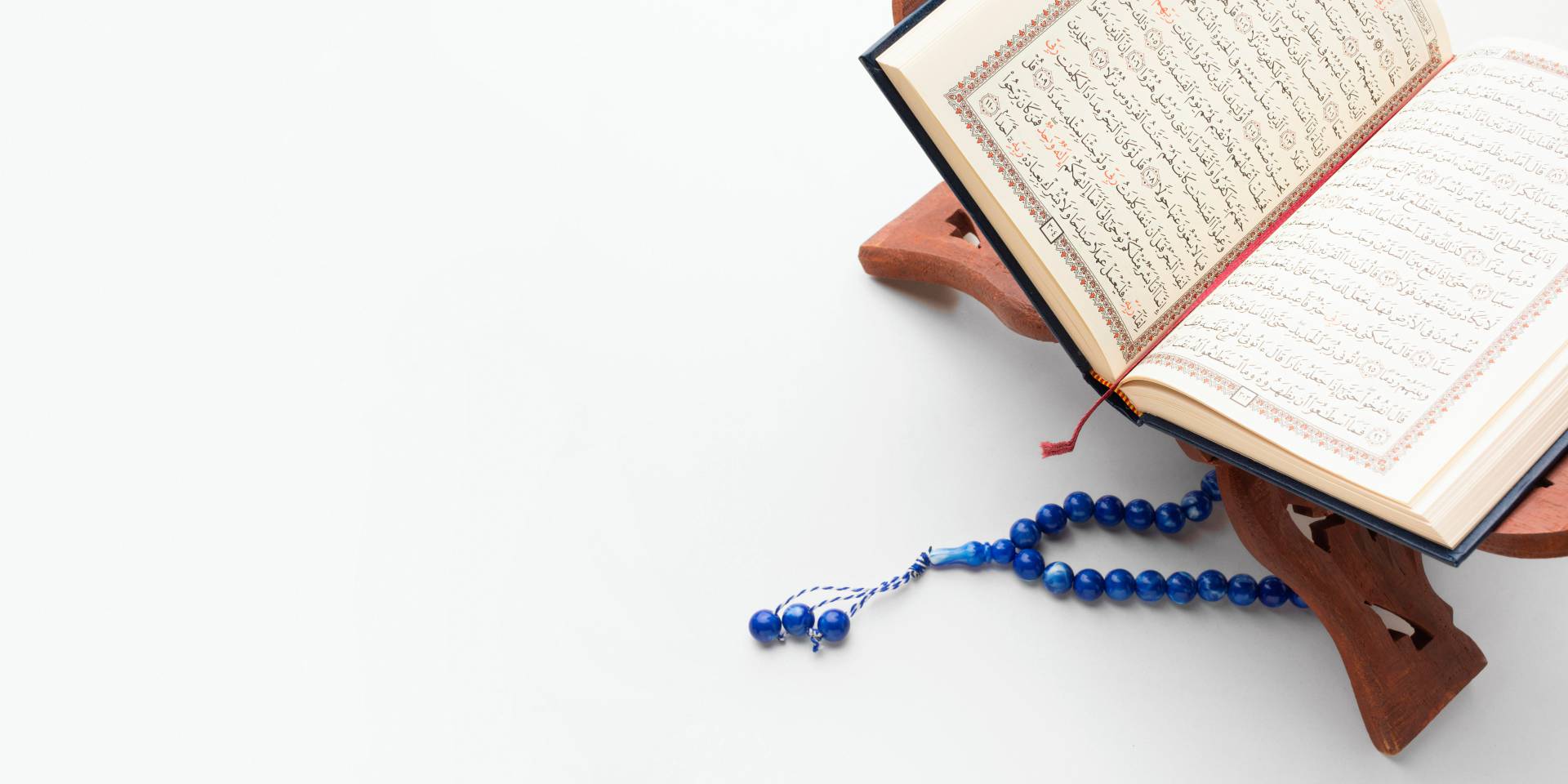
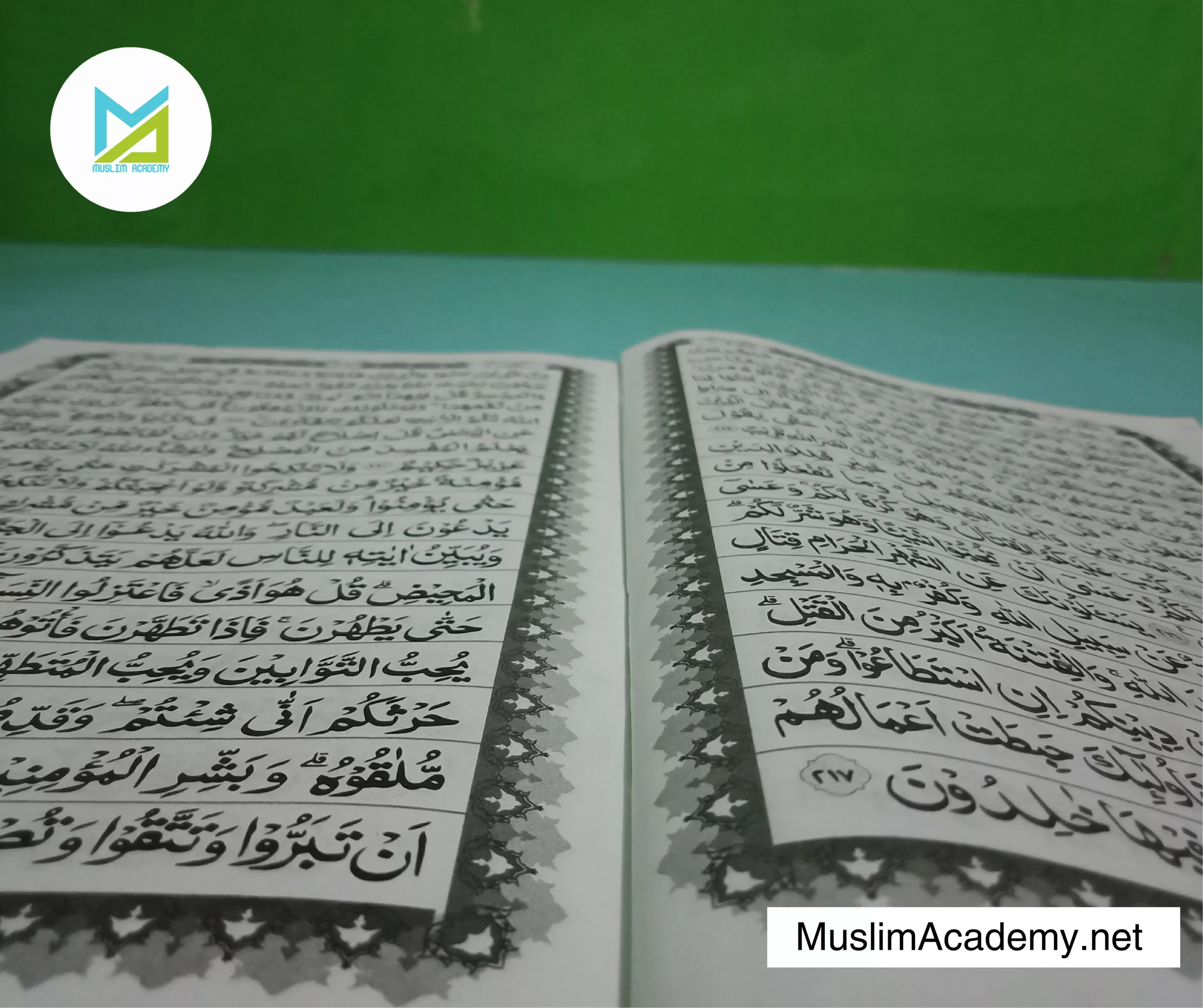
Every day, hundreds of millions of Muslims around the world open the Quran and begin to read aloud. They do not simply read words on a page. They engage in one of the most revered spiritual practices in all of Islam — Quran Recitation with Muslim Academy. This act connects the reader to a living oral tradition that stretches back over fourteen centuries. It links the modern believer to the Prophet Muhammad, to the early companions, and ultimately to the divine source of the text itself.
Quran Recitation with Muslim Academy is far more than a religious obligation. It is an art form. It is a spiritual discipline. It is also a deeply communal experience that has shaped Islamic civilization in profound and lasting ways. Understanding what recitation truly means — and how to approach it correctly — opens a doorway into the heart of Islamic faith and practice.
What Makes Quran Recitation with Muslim Academy Unique?
Most sacred texts in world religions are read silently or spoken in a simple, straightforward manner. The Quran, however, carries a set of precise oral rules known as tajweed. These rules govern every aspect of recitation. They cover the correct pronunciation of each Arabic letter. They address the length of vowel sounds. They specify when to merge letters, when to pause, and when to nasalize certain sounds.
The word tajweed comes from the Arabic root meaning “to make better” or “to improve.” In practice, it means giving every letter its full right in pronunciation. It means honoring the natural qualities of each sound. Therefore, a reciter who masters tajweed does not simply read Arabic text. Instead, that person faithfully transmits the exact sounds that the Prophet himself recited — and that his companions memorized and passed on.
This precision matters enormously. The Quran was revealed in Arabic, and its meaning is inseparable from its sound. A single mispronunciation can shift the meaning of a word entirely. Consequently, generations of Muslim scholars have preserved the rules of tajweed with extraordinary care and detail.
The Chain of Transmission: A Living Connection
One of the most remarkable features of Quranic recitation is the concept of isnad — the unbroken chain of oral transmission. Every certified reciter today can trace their learning back through a chain of teachers. That chain eventually reaches the companions of the Prophet. Furthermore, it reaches the Prophet Muhammad himself, who received the Quran from the Angel Jibreel.
This chain is not a metaphor. It is a documented, verifiable line of oral transmission. When a student completes their Quranic studies under a qualified teacher, they may receive an ijaza — a formal certificate of authorization. This document confirms that the student recites correctly and may now teach others. Moreover, it connects the student to the living chain of tradition.
This system makes the Quran unlike any other text in human history. It has never relied solely on written copies for its preservation. Instead, it lives first in human hearts and voices. The written text serves as a guide and reference. The living recitation is the primary vessel.
The Seven Modes of Recitation
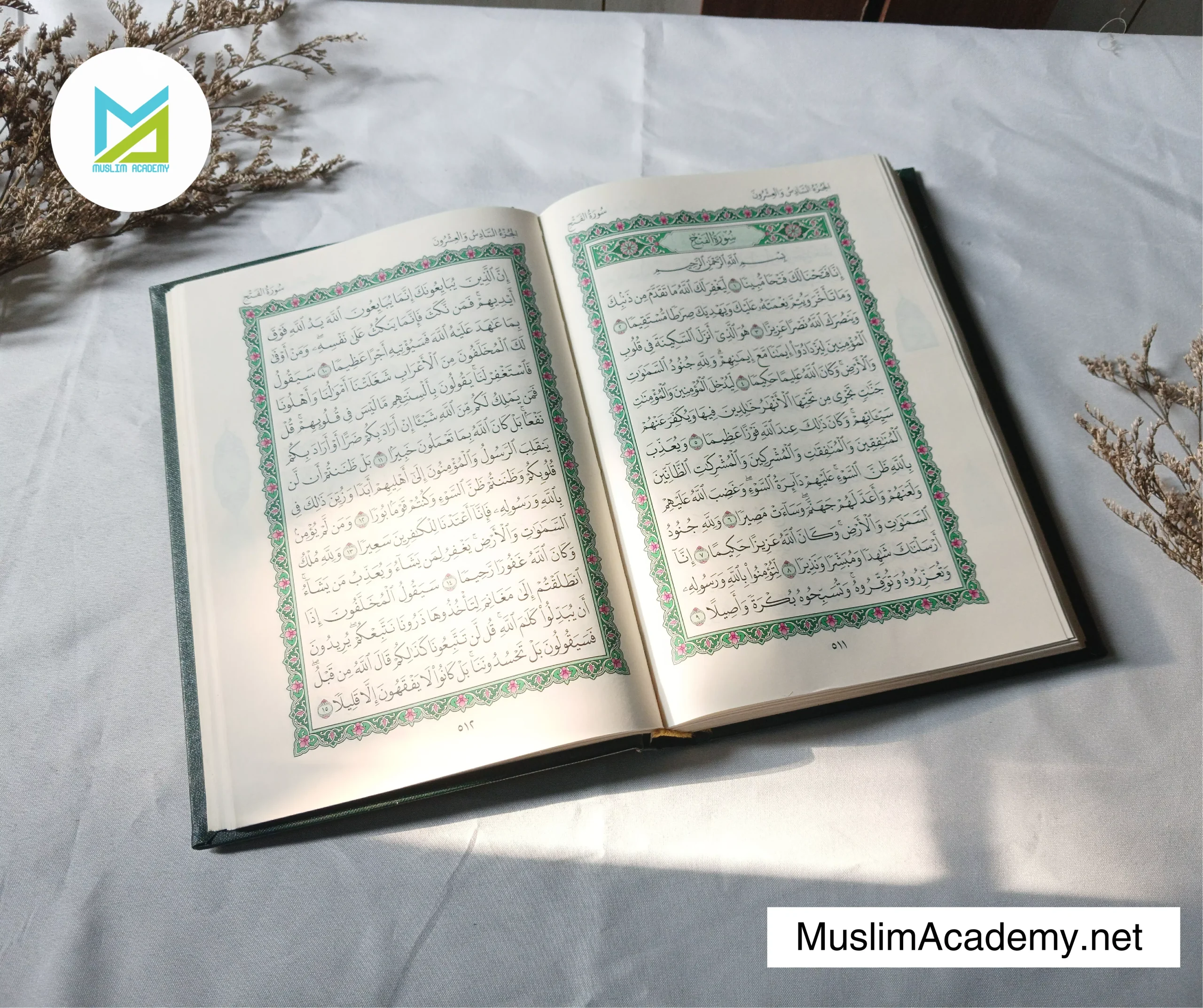
Many Muslims are surprised to learn that the Quran has not one but seven — and in some scholarly counts, ten — accepted modes of recitation, known as qira’at. These modes differ slightly in vowel patterns, letter qualities, and pronunciation styles. However, they do not differ in meaning or theology. Each mode represents an authentic, independently transmitted oral tradition.
The seven primary modes trace back to seven distinguished companions and early scholars of the Quran. Each mode was widely practiced in a different region of the early Islamic world. Over time, two modes in particular became the most widely used. The first is the recitation of Hafs ‘an ‘Asim, which most Muslims worldwide use today. The second is the recitation of Warsh ‘an Nafi’, which remains common across North and West Africa.
Understanding the qira’at reveals an important truth. The Quran accommodates natural variation in Arabic dialects while preserving the integrity of its message. This flexibility is a sign of divine wisdom, not inconsistency. Therefore, a Muslim hearing an unfamiliar recitation style should recognize it as authentic, not foreign.
The Spiritual Dimensions of Recitation
Proper technique is only one side of Quranic recitation. The spiritual dimension is equally important. Islamic scholars throughout history have written extensively about the inner states that a reciter should cultivate. These states include khushu’ — a quality of deep reverence and humility — and tadabbur — active, reflective contemplation of the verses being recited.
The Prophet Muhammad encouraged believers to beautify their voices when reciting the Quran. He also warned against rushing through it. He said the Quran should be recited slowly and carefully, allowing each verse to resonate. Accordingly, many reciters develop a melodic, meditative style that slows the pace and opens the heart.
In addition, the physical setting of recitation carries significance. Traditional scholars recommend that a reciter sit in a state of ritual purity, face the qibla if possible, and approach the text with full attention. These practices are not merely formalities. They are tools for cultivating the inner stillness that allows the Quran’s message to truly land.
Famous Reciters Who Shaped the World
Across Islamic history, certain reciters have risen to extraordinary fame. Their voices have moved audiences to tears. Their mastery of tajweed has set benchmarks for generations of students. In the modern era, recording technology and the internet have made their recitations available to anyone, anywhere.
Among the most celebrated is Sheikh Mahmoud Khalil Al-Husary of Egypt. He devoted his life to the science of qira’at and recorded the entire Quran in multiple modes. His recitation remains a gold standard for students of tajweed worldwide. Similarly, Sheikh Abdul Basit Abdul Samad, also Egyptian, became one of the most beloved voices in the Muslim world. His recitation combined technical perfection with profound emotional depth.
From Saudi Arabia, Sheikh Mishary Rashid Al-Afasy has reached an entirely new generation through digital platforms. His recitation style is clear, accessible, and deeply moving. Consequently, millions of Muslims worldwide use his recordings for daily listening and memorization.
These reciters did not simply perform. They taught through their voices. They demonstrated what it sounds like when a human being surrenders completely to the sacred text.
Learning to Recite: Where to Begin
Many Muslims feel intimidated by the idea of learning proper recitation. The rules of tajweed can seem complex at first. However, the path forward is simpler than it appears. Every learner begins with the same first step: learning the Arabic alphabet and the basic sounds of each letter.
From there, a student progresses to short chapters at the back of the Quran — chapters like Al-Ikhlas, Al-Falaq, and An-Nas. These are brief, frequently repeated, and familiar to most Muslims from daily prayer. They provide an ideal practice ground. Furthermore, they build confidence quickly.
The most effective method of learning remains working with a qualified teacher. A teacher catches mistakes that the learner cannot hear themselves. They model correct sounds and guide the student’s ear. Moreover, they transmit the living tradition through personal connection, not just technical instruction.
Today, both in-person and online options exist for students at every level. Structured courses, qualified tutors, and digital tools have made proper Quranic recitation more accessible than at any previous point in history.
Recitation in Daily Life and Worship
Quranic recitation is not confined to formal study sessions. It runs through the daily fabric of Muslim life. Every Muslim who performs the five daily prayers recites Quranic verses in Arabic. The opening chapter, Al-Fatiha, alone is recited at least seventeen times each day by a practicing Muslim.
Beyond prayer, many Muslims maintain a personal habit of daily Quran reading called a wird or hizb. Some complete the entire Quran once each month. Others complete it during the blessed month of Ramadan, following the tradition of increased recitation during that special time. In addition, recitation plays a central role in Islamic ceremonies — births, marriages, funerals, and gatherings of remembrance — all of which typically open or close with Quranic verses.
Furthermore, recitation serves a deeply personal function. In moments of grief, anxiety, or uncertainty, many Muslims turn to the Quran and recite. The sound of the words themselves brings comfort. The rhythm calms the mind. The meaning nourishes the soul.
Conclusion
The practice of Quran Recitation with Muslim Academy is one of the most enduring and beautiful expressions of Islamic faith. It connects every Muslim — regardless of nationality, language, or background — to a single unbroken tradition of divine words preserved in human voices. It demands discipline, attention, and humility. In return, it offers clarity, peace, and an intimate connection with the sacred.
Whether a person is a complete beginner or an advanced student, the invitation to engage seriously with Quran Recitation with Muslim Academy is always open. The tradition is patient. The community of learners is vast. And the reward, in both this life and the next, is immeasurable for all who sincerely answer the call.